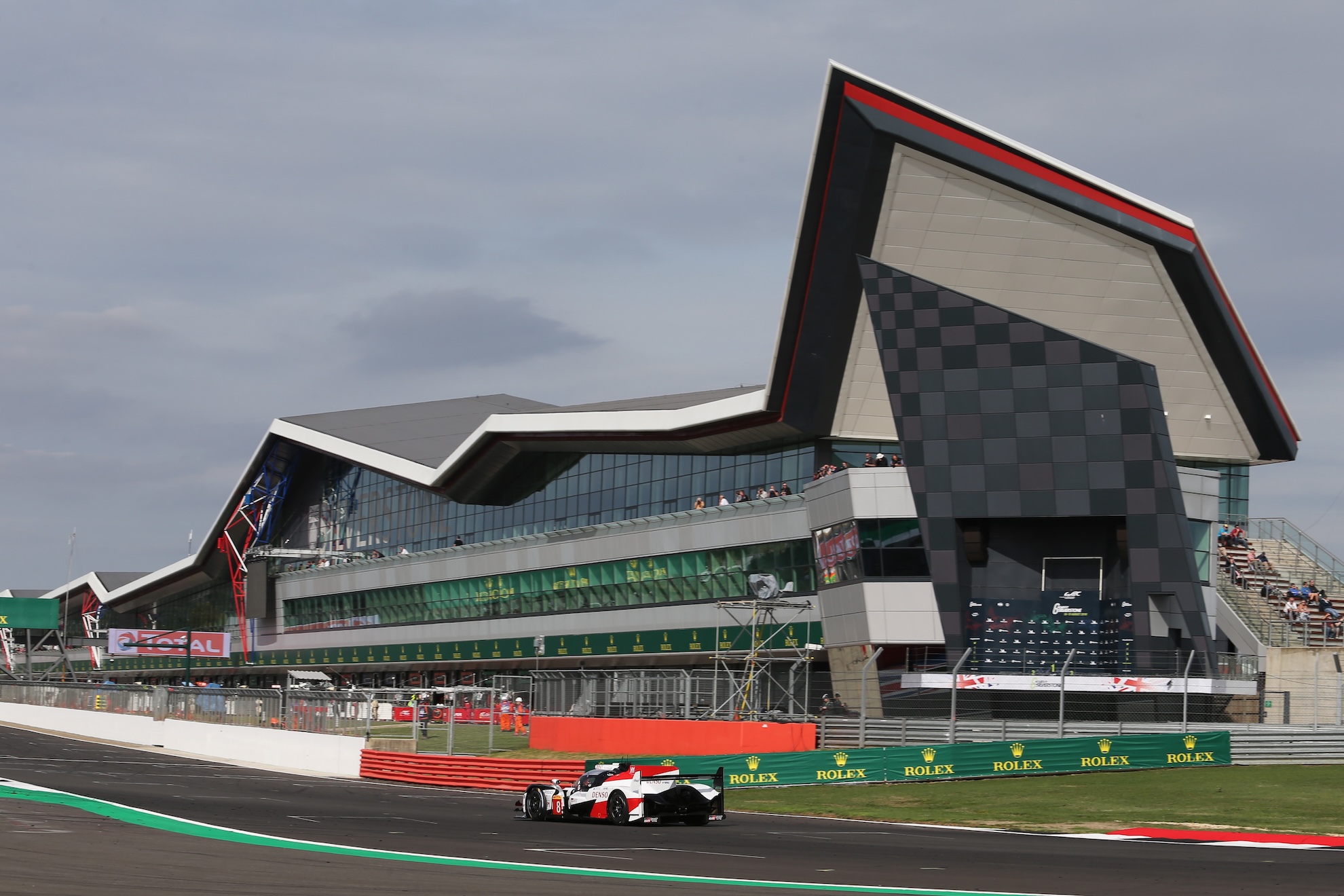
The return of Silverstone to the World Endurance Championship calendar in 2027, alongside an expansion to nine rounds, feels significant for reasons that go far beyond adding another race.
For some, it represents the revival of a relationship that should never have been interrupted. For others, it is evidence of a championship confident enough to think bigger again.
Perhaps, in reality, it is both.
Why is the WEC expanding now?
The obvious question is why 2027 rather than 2026. After all, the WEC has never appeared stronger. Hypercar continues to attract manufacturers, crowds are growing and the championship has become one of motorsport’s most compelling products.
Yet caution has remained a guiding principle. When presenting previous calendars, WEC CEO Frédéric Lequien repeatedly stressed the importance of controlling costs and respecting teams’ financial realities. Eight rounds struck a balance between global reach and economic sustainability.
That philosophy has not disappeared. But circumstances are changing. Genesis arrived at the beginning of the actual seasons, while Ford and McLaren are set to strengthen an already impressive Hypercar field. The WEC has spent years rebuilding carefully. The time may finally have come for the next step.
How important has Silverstone been in endurance racing history?
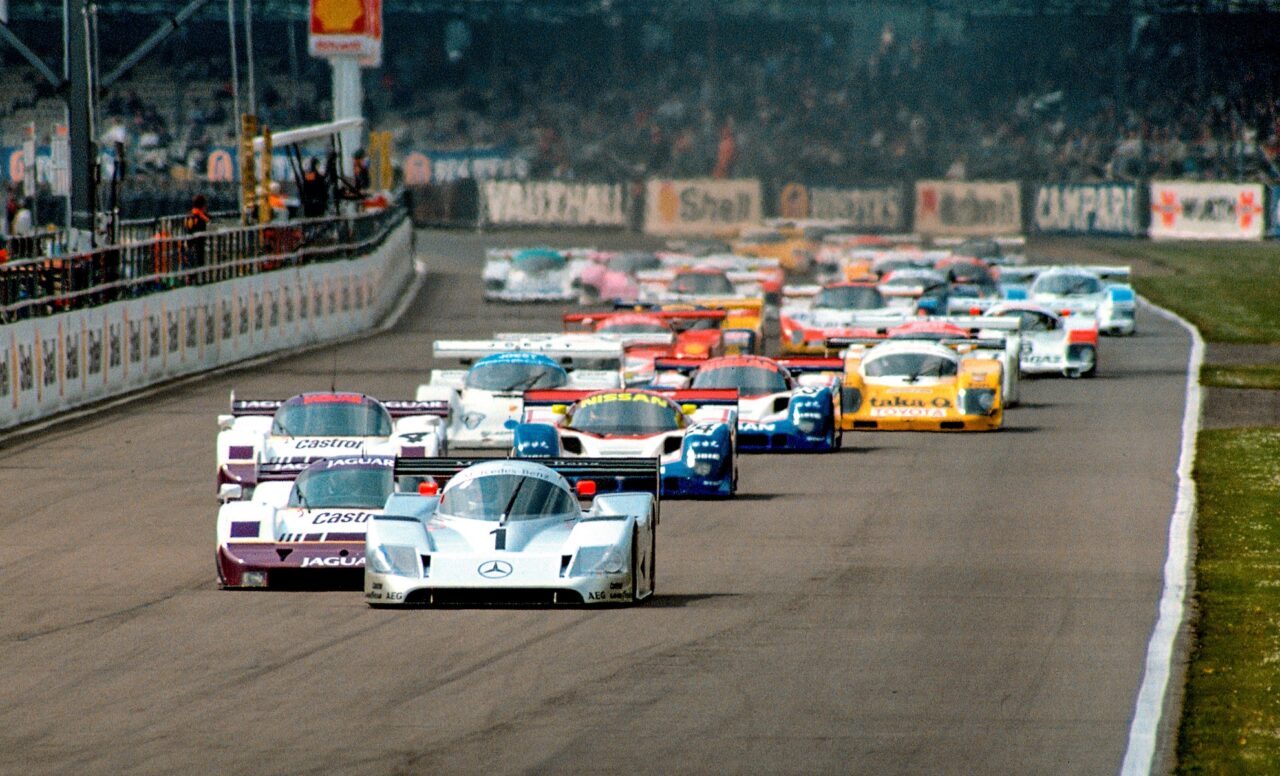
Silverstone’s place in endurance racing did not begin with the modern WEC. The World Championship for Makes first visited the circuit in 1976, when John Fitzpatrick and Tom Walkinshaw won the 6 Hours of Silverstone in a BMW 3.5 CSL. A year later, Jacky Ickx and Jochen Mass added Porsche’s name to the winners’ list with the 935, before repeating the feat in 1978.
In 1980, Silverstone became part of the World SportsCar Championship landscape, a place where prototypes and GT machinery continued to write separate chapters of the same story. Derek Bell, Stefan Bellof and Allan McNish would all later become part of that lineage.
The modern WEC only deepened the bond. From 2012 to 2019, Silverstone was a regular stop, often serving as the season opener and giving the championship one of its most natural European anchors. The final visit, in 2019, opened the 2019-20 season with a four-hour race won by Toyota.
So Silverstone’s return is not simply a nod to nostalgia. It reconnects the WEC with a circuit that has been part of endurance racing’s grammar for half a century. It will also be seen as good news by many purists, who had criticised the fact that 25% of the championship’s races were taking place in the Persian Gulf.
Why did Silverstone disappear in the first place?
Its absence was largely a consequence of circumstance. The collapse of LMP1 forced the WEC into a period of adaptation. Between 2021 and 2022, the calendar contracted to six races while Hypercar established itself.
There were also commercial disagreements. Relations between the championship and local promoters became increasingly strained, particularly regarding event promotion and financial conditions. At the time, the WEC lacked the leverage it enjoys today.
Silverstone did not disappear because it had lost its relevance. It disappeared because endurance racing was trying to find its footing again.
The WEC now presents a very different proposition. At the same time, attendance records have fallen at multiple events around the world. Silverstone can scarcely ignore a championship carrying that level of manufacturer involvement and public interest.
Equally, the WEC has every reason to maintain a presence in the United Kingdom, home to much of motorsport’s engineering expertise and the centre of Motorsport Valley. The relationship suddenly makes sense again.
“We are excited to be returning to Silverstone next season, and I would like to thank Stuart Pringle and the British Racing Drivers’ Club for making this comeback possible” FIA World Endurance Championship CEO Frédéric Lequien explained. “Silverstone is a venue steeped in motorsport history and boasts a long legacy of top-flight endurance racing, including eight hugely successful FIA WEC events from 2012 to 2019. It is a circuit beloved by competitors, and from a driving and engineering point-of-view, it presents a tremendous challenge.”
Can the championship really afford a ninth race?
How many races are enough? Which historic venues deserve another opportunity? How can the series continue to grow without losing what makes it distinctive? The WEC finally seems comfortable planning beyond the next crisis.
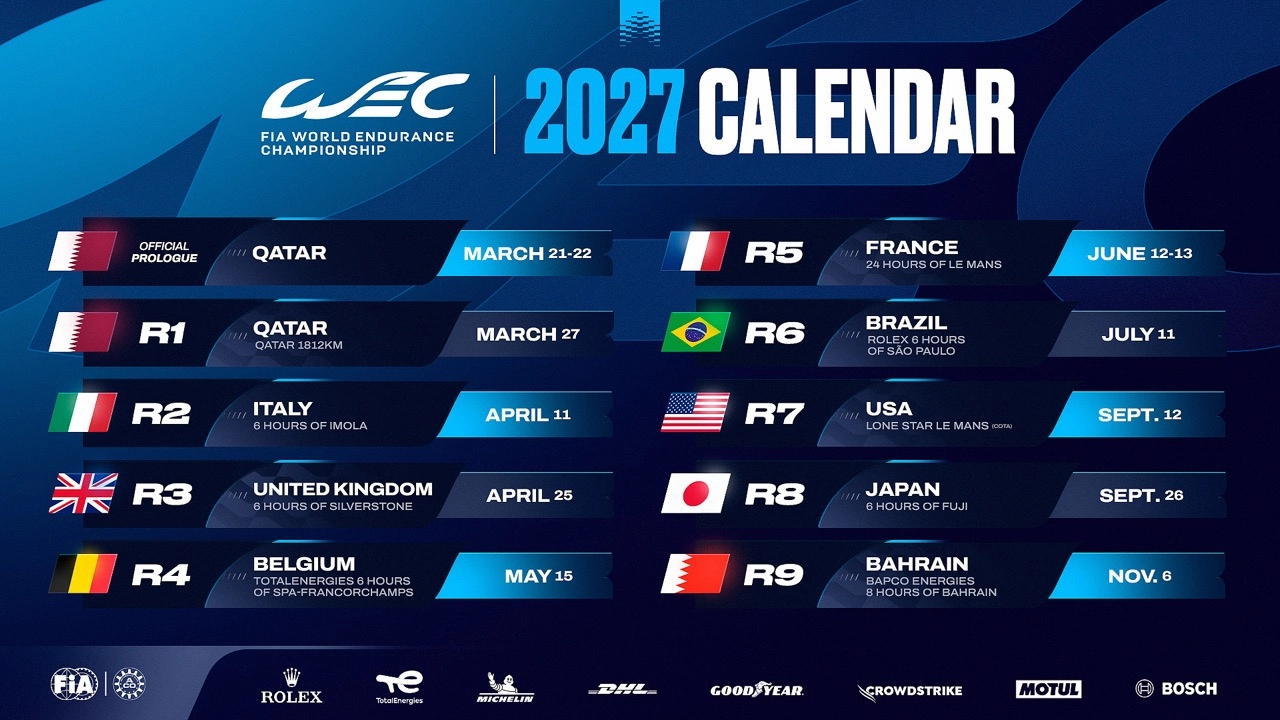
After 2016 and 2017, 2027 will become only the third season in WEC history to feature a nine-round calendar.
“Following several seasons of stability, the growing popularity of FIA WEC – amongst manufacturers, media and fans – convinced us that now is the right time to expand the schedule” Frédéric Lequien admitted. With nine unmissable races across five global regions, another sensational season looks assured!”
Expanding the calendar inevitably increases operational costs for manufacturers, teams and suppliers. Those concerns have not vanished simply because Hypercar is thriving.
For years, maintaining eight rounds was viewed as the responsible approach. However, a ninth race no longer appears unreasonable. The WEC would still contest fewer events than Formula 1 or Formula E while preserving the prestige attached to each appearance.
Growth, if carefully managed, need not come at the expense of sustainability. But striking that balance will remain essential.
Will the expanded calendar create new problems?
Almost certainly. The proposed 2027 schedule already presents two notable clashes with Formula E. Qatar overlaps with the Sanya E-Prix, while Spa is set to coincide with Monaco.
For many drivers, those conflicts represent logistical headaches. For drivers competing across both championships, they could force difficult choices.
The timing of Qatar reflects another reality. Moving the season opener to late March not only accommodates Ramadan but also avoids a direct clash with the 12 Hours of Sebring, second round of the IMSA SportsCar Championship.
Constructing a truly global calendar has never been simple. Success rarely makes it any easier.