Since making its competitive debut at the 6 Hours of Monza in July 2022, Peugeot’s 9X8 has struggled to live up to expectations. Three podium finishes from 33 starts tell their own story — a disappointing return for a manufacturer that has won the 24 Hours of Le Mans three times with the legendary 905 (1992 and 1993) and 908 HDi FAP (2009).
Despite numerous upgrades and a Balance of Performance that has consistently worked in its favour, the French LMH has never established itself as a genuine contender at the front of the Hypercar field. Peugeot knows it, and the project has quietly entered a new chapter.
The first laps of what will become the 2027-spec 9X8 were completed just a few days ago. Beyond a single teaser image, however, Peugeot has revealed almost nothing. Here’s everything we know so far.
What has Peugeot announced?
Not much, in truth.
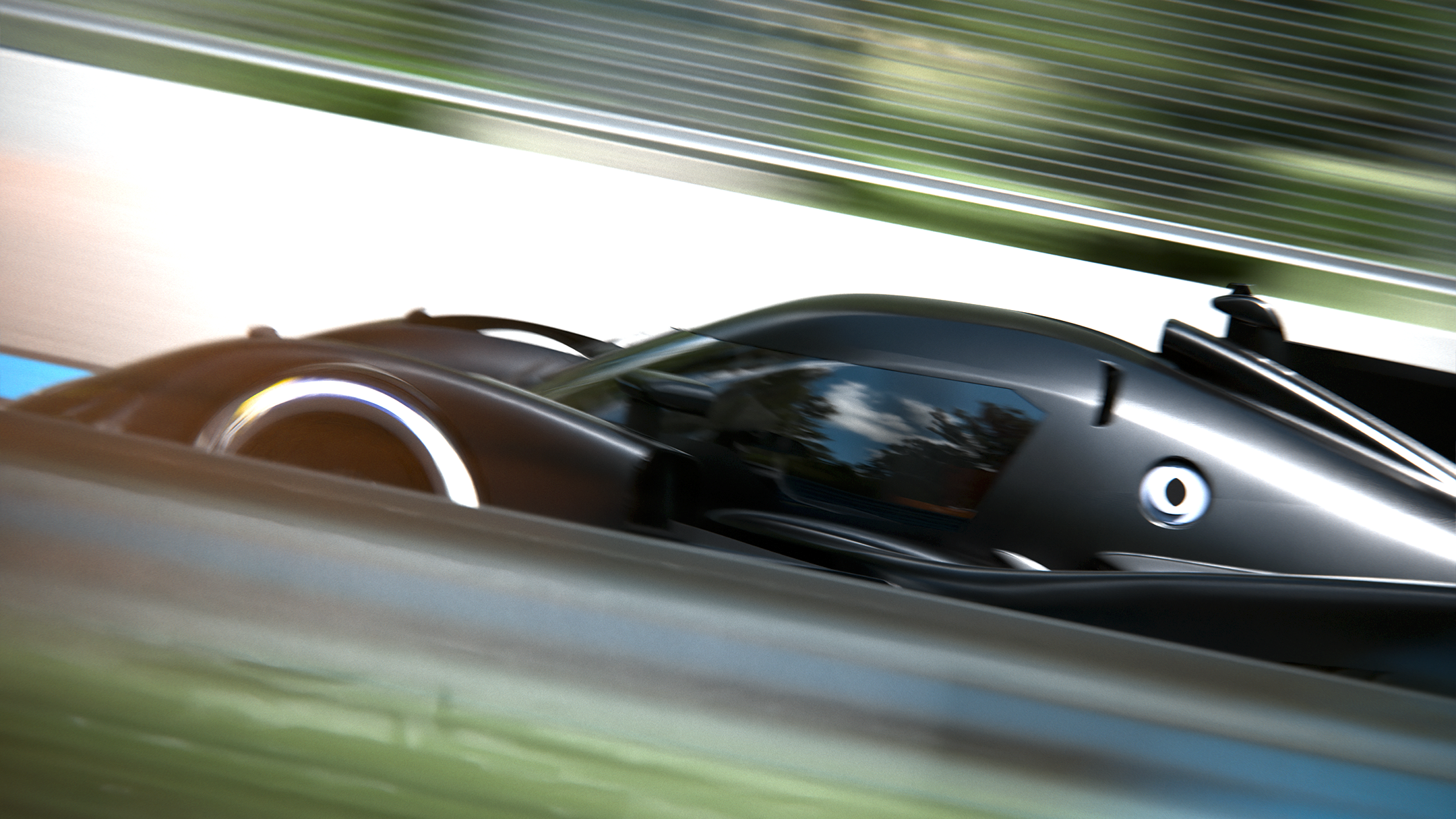
The French manufacturer released a single image that looks more like a spy shot than an official press photograph, with the prototype largely hidden behind a safety barrier. As a result, it remains impossible to see what the 2027-specification 9X8 will actually look like.
“Since its debut, the Peugeot 9X8 has been a platform in constant evolution. Competing at the highest level of endurance racing means continuously learning, adapting and progressing,” said Emmanuel Esnault, Team Principal, Team Peugeot TotalEnergies. “Our objective is clear: to position the 9X8 consistently among the top contenders.”
Peugeot describes the car as benefiting from a series of technical evolutions aimed at enhancing performance, efficiency and competitiveness.
Interestingly, despite what appears to be a comprehensive redesign, the car will retain the 9X8 name. Yet “evolution” arguably understates what Peugeot has done. Aerodynamically at least, this is much closer to a revolution.
How has this redesign been made possible?
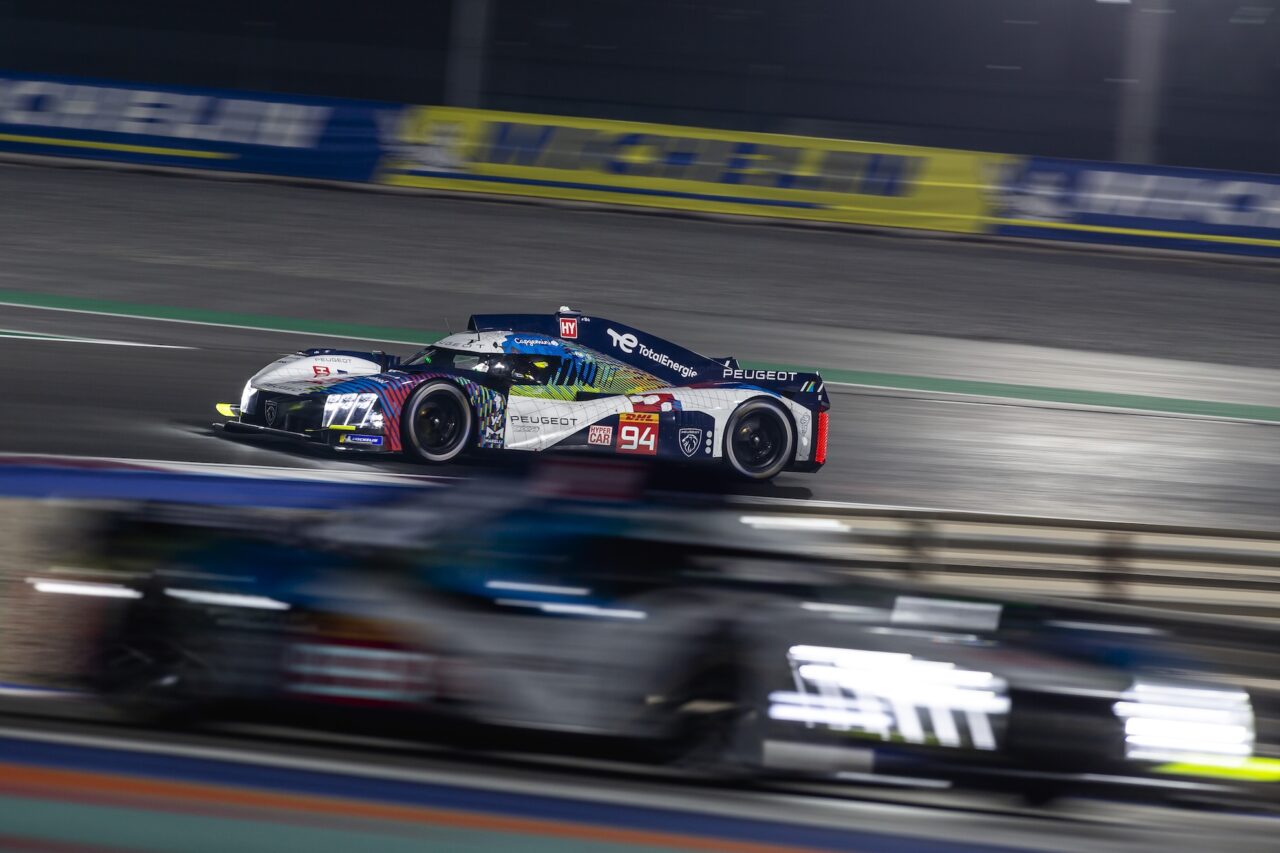
When the 9X8 made its race debut in July 2022, it stood apart from every other Hypercar on the grid. It featured no rear wing and ran on four 31 cm-wide tyres, a concept unlike anything else in the category. It didn’t work.
After introducing its second homologation package at the start of the 2023 season, Peugeot spent four Evo Jokers throughout 2024. The most visible changes included the addition of a rear wing and a switch to 29 cm-wide front tyres and 34 cm-wide rear tyres, bringing the 9X8 into line with every other Hypercar on the grid.
The final Evo Joker, believed to have focused primarily on the car’s suspension, debuted at the 2025 Qatar 1812km, officially leaving Peugeot with no further development tokens. Under the original regulations, the French manufacturer would have had to wait until 2028 before making any further changes to the car.
That, however, is no longer the case.
From this season onwards, Article 19.1.3 of the LMH Technical Regulations says that additional Evolutions extensions (EVO Jokers) can be granted for a demonstrated significant lack of performance as determined by governing body.
Peugeot fits that description almost perfectly.
The 9X8 fits that description almost perfectly. Despite receiving one of the most favourable Balance of Performance allocations in the Hypercar class, the French LMH has remained unable to fight consistently at the front.
What do we know?
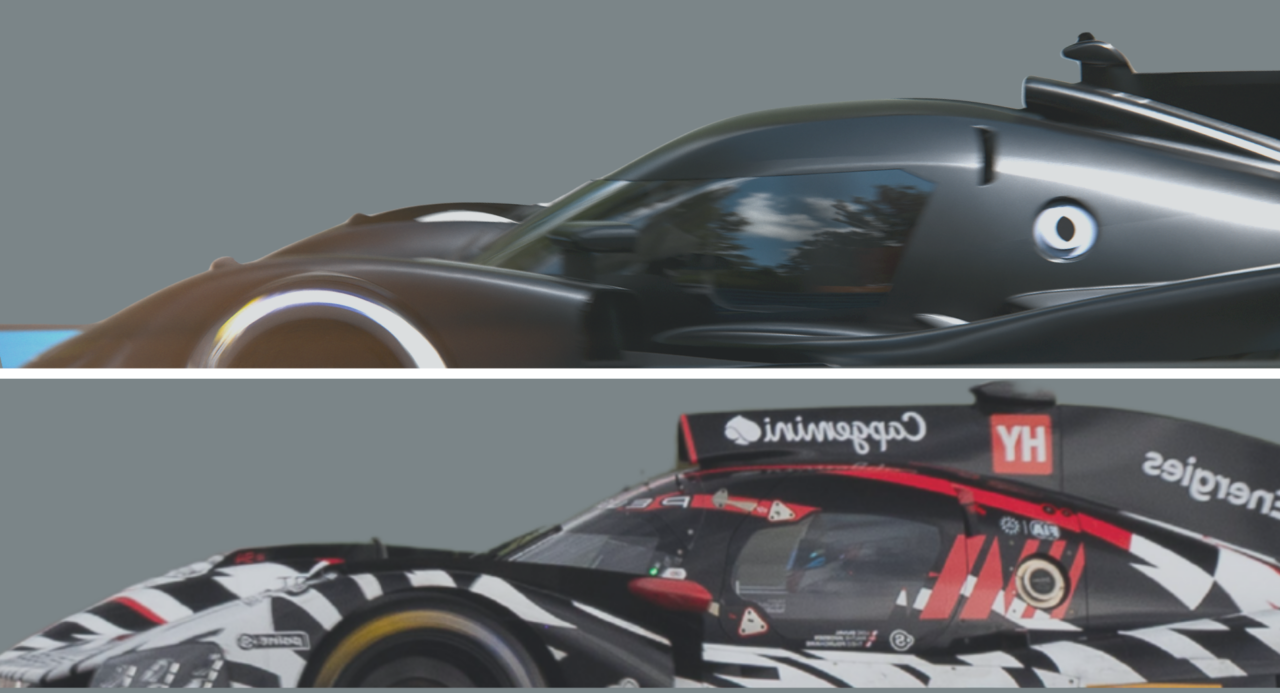
The “spy shot” offers surprisingly few clues, although one detail immediately stands out. The new 9X8 appears set to feature a dorsal fin, something absent from every previous iteration of Peugeot’s Hypercar. Beyond that, the air intake above the cockpit appears to sit further rearwards, the sidepods seem to have been reshaped, and the nose appears noticeably lower than on the current car.
Does that mean Peugeot has started from a clean sheet? Almost certainly not. Had the French manufacturer embarked on an entirely new project, it would have been virtually impossible to have the car ready in time for the opening round of the 2027 WEC season, the Qatar 1812km at Lusail International Circuit on 27 March.
Several key components appear to have been retained.
The cockpit looks almost identical to that of the current 9X8, which comes as little surprise. Peugeot is understood to have kept the existing carbon-fibre monocoque, manufactured by Italian specialist YCOM, the Parma-based company renowned for its expertise in lightweight composite structures.
The same philosophy appears to apply beneath the bodywork. The powertrain is expected to remain fundamentally the same, albeit in a significantly refined form. While it has never fully met Peugeot’s expectations, it has undergone a lengthy development programme aimed at improving both its efficiency and overall drivability.
In a Balance of Performance formula, outright power is only a small part of the equation. Energy deployment, efficiency and vehicle dynamics often make the difference between fighting for victories and running in the midfield.
Heresy or the right decision?
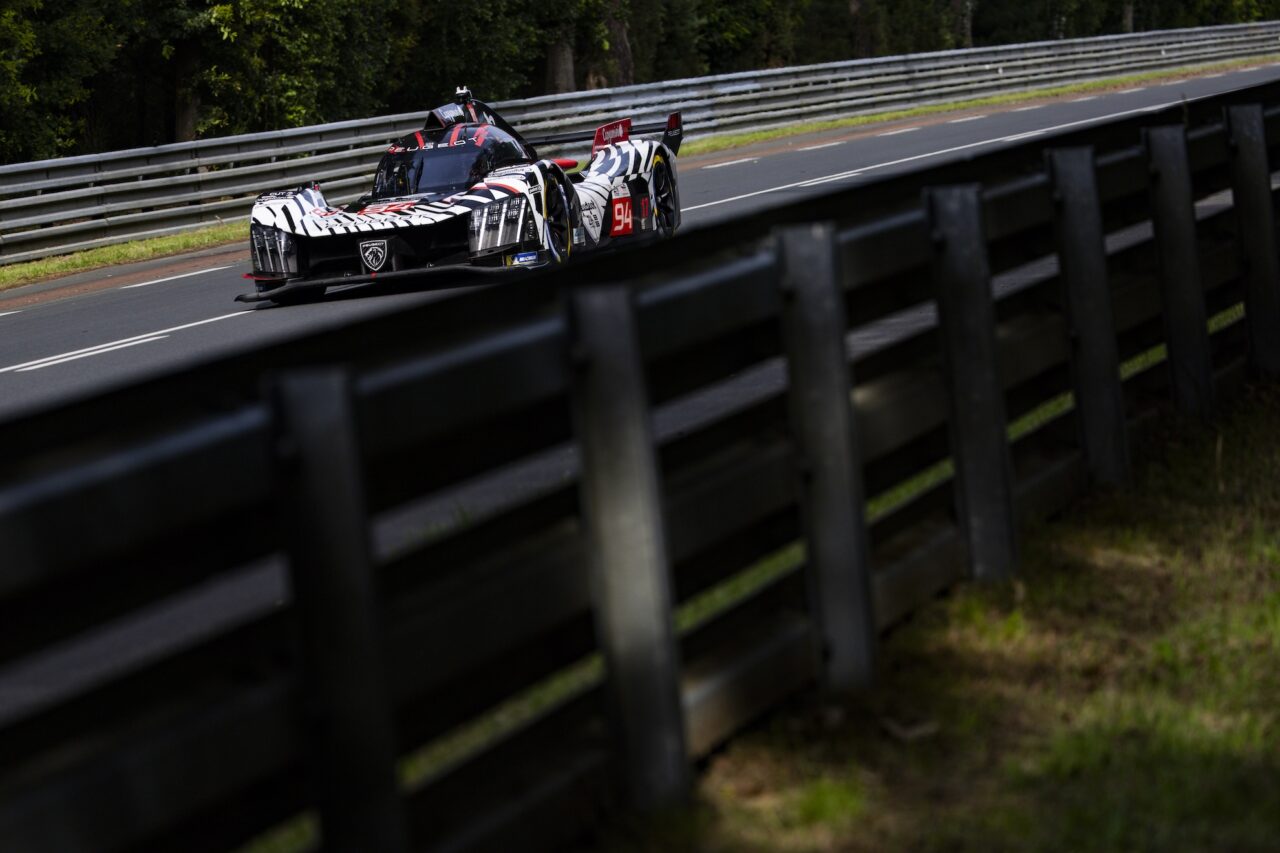
Some will inevitably argue that granting Peugeot an additional Evo Joker goes against the original spirit of the regulations.
Yet few people in the paddock have any interest in seeing a manufacturer like Peugeot remain uncompetitive. That applies not only to the ACO and the FIA, but also to Peugeot’s rivals. A stronger Hypercar field benefits everyone.
There is another factor, too.
Alongside the Aston Martin Valkyrie, the 9X8 has arguably become the most difficult car for the rule makers to balance through the Balance of Performance. Simply put, the gap to the front has often been so large that Peugeot has repeatedly found itself running at the regulatory limits — the minimum weight of 1,030 kg and the maximum power output of 520 kW — while still lacking the pace to challenge consistently at the front.
If Peugeot succeeds in closing that gap, the governing bodies should gain greater freedom when setting future BoP values. In theory at least, the performance spread across the Hypercar field would become easier to manage.
Perhaps the most encouraging aspect of all, however, is Peugeot’s determination to keep investing in the programme.
After four seasons of frustration, disappointing results and repeated redesigns, both Peugeot and title partner TotalEnergies continue to believe in endurance racing and in the long-term potential of the project.
Whether the 2027-spec 9X8 finally delivers on that promise remains to be seen.