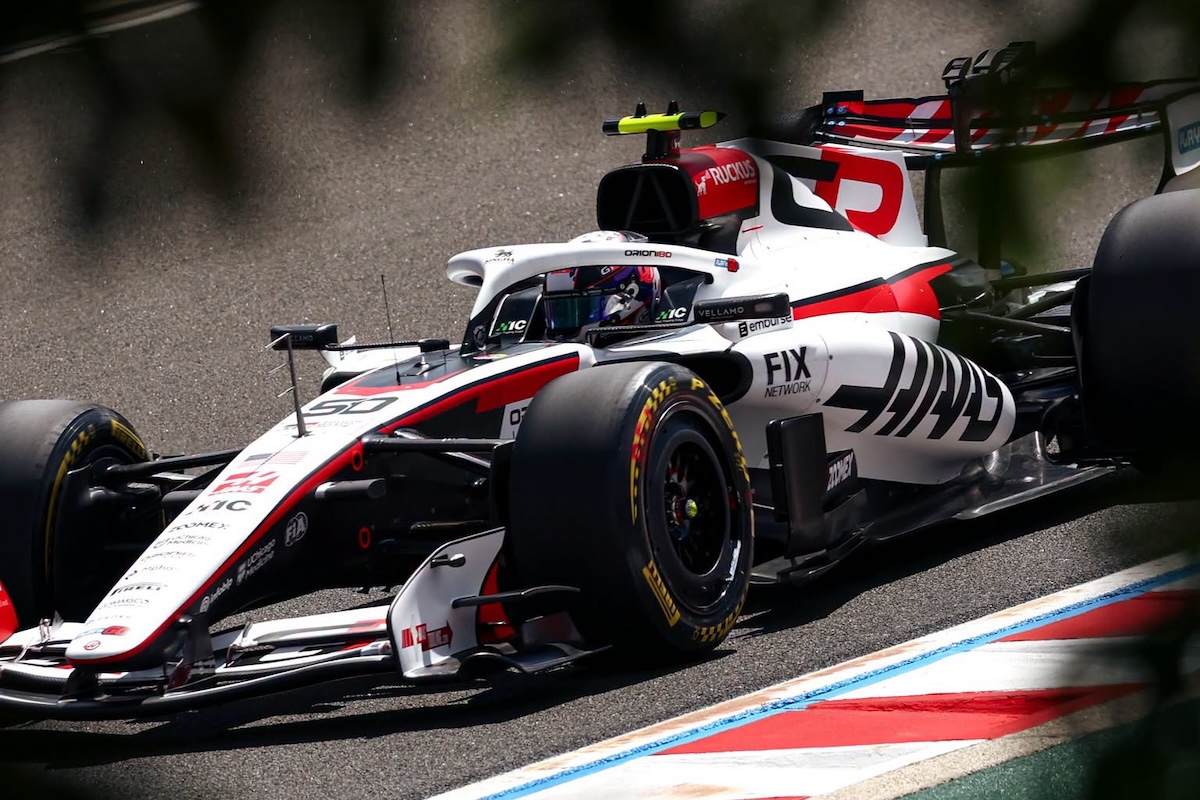
At first glance, this had little to do with endurance racing. At Portimão, a few days ago, TGR Haas F1 Team brought together Ryo Hirakawa, Rafael Câmara and Leonardo Fornaroli as part of its Testing of Previous Cars (TPC) programme.
Three drivers, three very different career paths and, behind them, three manufacturers: Toyota for Hirakawa (32), Ferrari for Câmara (21) and McLaren for Fornaroli (21). While the Japanese driver has established himself in the WEC, the Brazilian is currently in contention to succeed the Italian as FIA Formula 2 champion.
At the wheel of Haas’ 2025 VF-25, the trio were also able to measure themselves against Oliver Bearman, whose presence in 2027 is in little doubt, unlike Esteban Ocon’s. The Briton provided the benchmark and ran on the second day alongside Câmara, after Hirakawa and Fornaroli had put in the mileage the previous day.
There was far more at stake than a simple test. Haas is considering its options for its second seat in 2027, and Hirakawa is part of that equation. Should the Japanese driver get the nod, the repercussions would reach all the way to the WEC paddock. Toyota would lose one of the pillars of its #8 crew since 2022 and would have to replace him.
Why can Hirakawa genuinely believe in his chances?
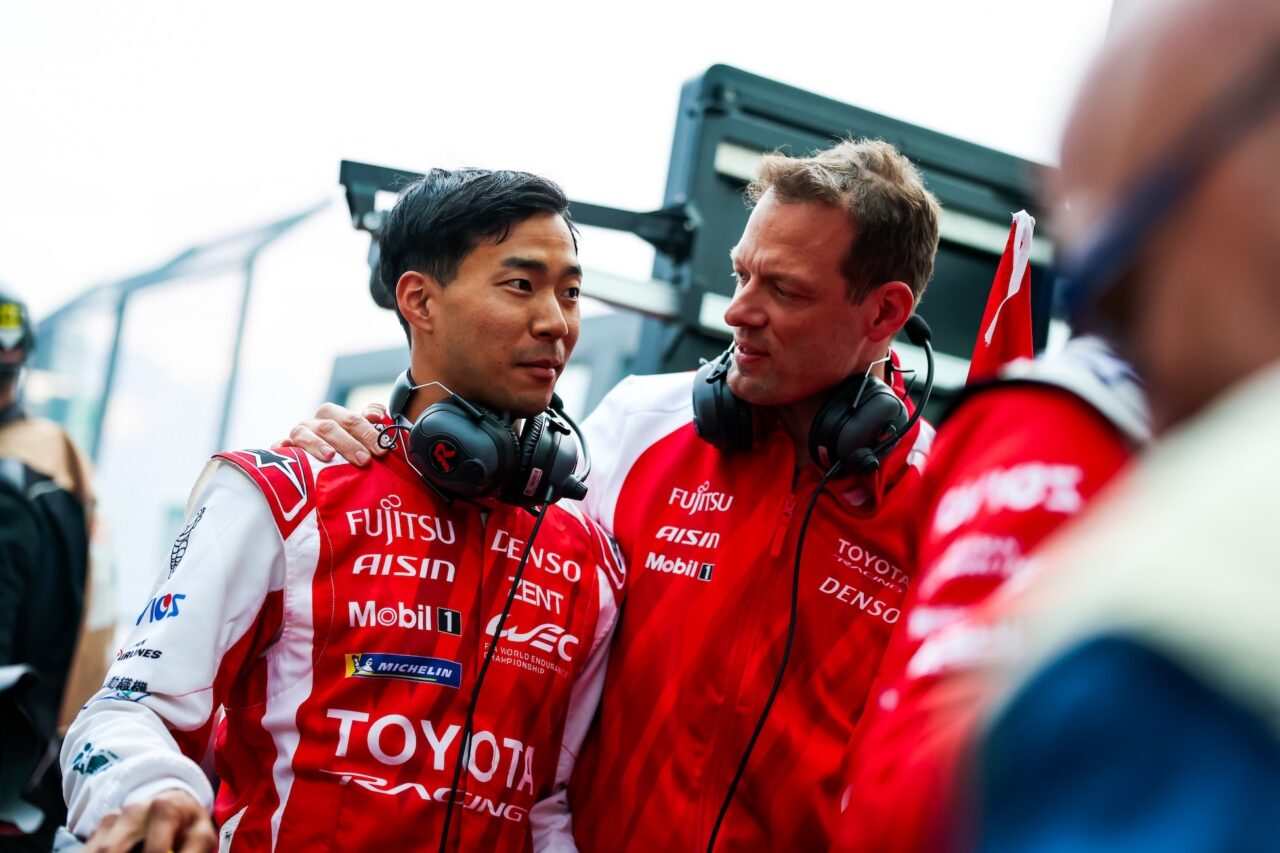
Because Formula 1 is no longer a distant world for him. Hirakawa has gradually moved closer to it, first with McLaren, where he served as reserve driver and took part in FP1 in Abu Dhabi in 2024, then with Alpine. His story took an even more significant turn when he joined Haas.
It was a logical move. Toyota and the American team began a technical partnership in October 2024, one that has steadily expanded, particularly around driver development and TPC running. Those ties have since grown considerably stronger, culminating in TGR (Toyota Gazoo Racing) becoming the team’s title partner in 2026. That relationship gives Hirakawa some compelling arguments when it comes to negotiations.
All the more so because the 2022 Le Mans 24 Hours winner has repeatedly shown what he is capable of behind the wheel of a Formula 1 car. At Portimão, several paddock whispers suggest there was very little between the three contenders. But outright pace over a single lap is not enough to make a complete driver, and the financial backing each manufacturer is prepared to provide will inevitably have a bearing on the decision.
But who would Toyota really be losing?
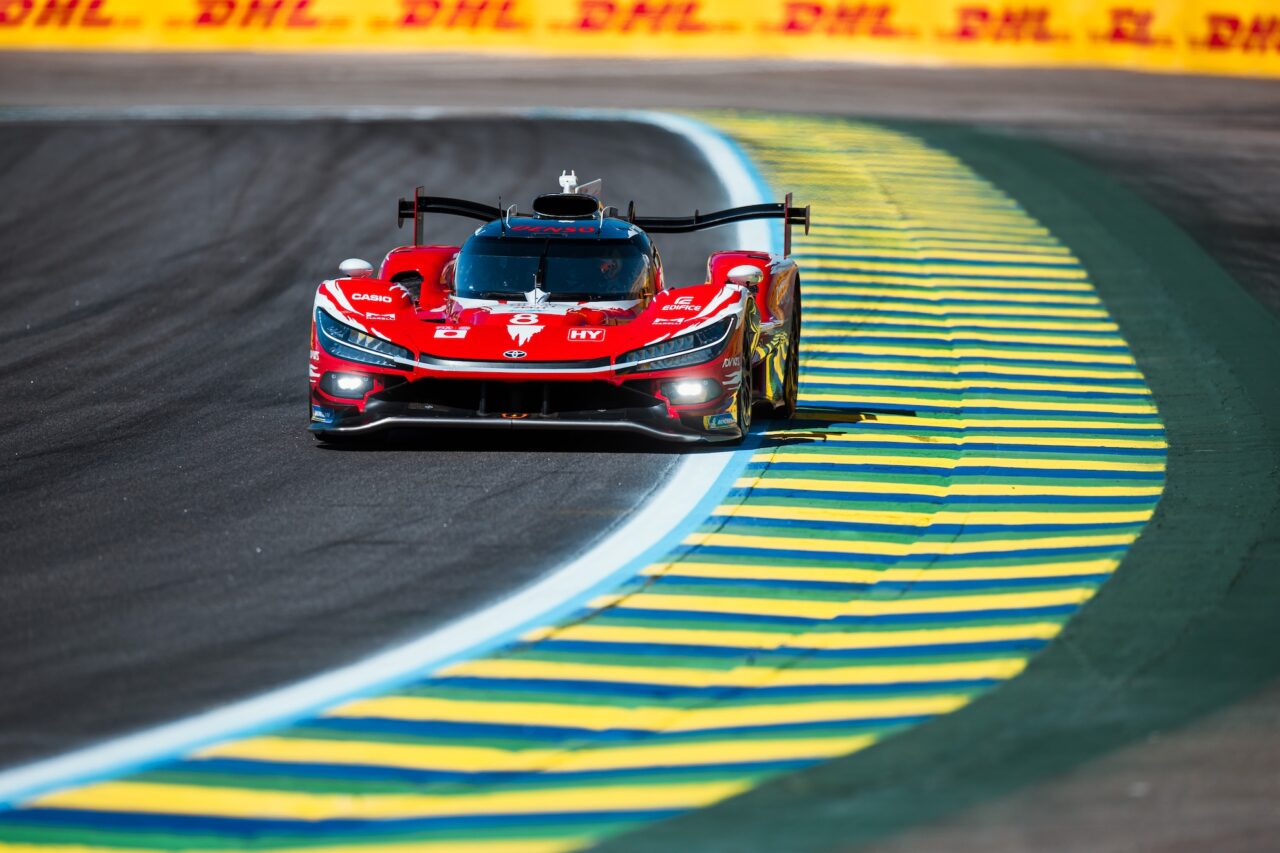
For a long time, Hirakawa went quietly about his business in the WEC. Fast, clean and efficient, yet at times almost overshadowed by the stature of those sharing the garage with him. Since joining the #8 crew in 2022, something has changed.
A Le Mans winner in his very first season, followed by two consecutive world titles, the Japanese driver has gradually ceased to be merely Kazuki Nakajima’s successor. He has become one of Toyota’s most dependable performers, and the victory for his car at Imola in April, where he played a key role, provided one of the clearest demonstrations yet.
The past two seasons have only reinforced that impression. More assertive, more incisive, capable of setting the standard both over a single lap and across a stint, Hirakawa now carries the authority that belongs to the very best endurance drivers.
His Formula 1 outings have undoubtedly accompanied that transformation — if not helped trigger it. They appear to have given him a new level of confidence, visible both in his driving and in the way he carries himself.
Hirakawa no longer gives the impression of being in the #8 simply because Toyota needed a Japanese driver there. He is there because he is complete enough to deserve it. The distinction matters.
Does Toyota really need a Japanese driver in each car?
That is the other question his potential departure would raise. For several seasons, the balance has been clear: Kamui Kobayashi in the #7, Hirakawa in the #8. One Japanese driver in each Hypercar — an arrangement believed to link the Cologne operation with Toyota’s headquarters in Japan.
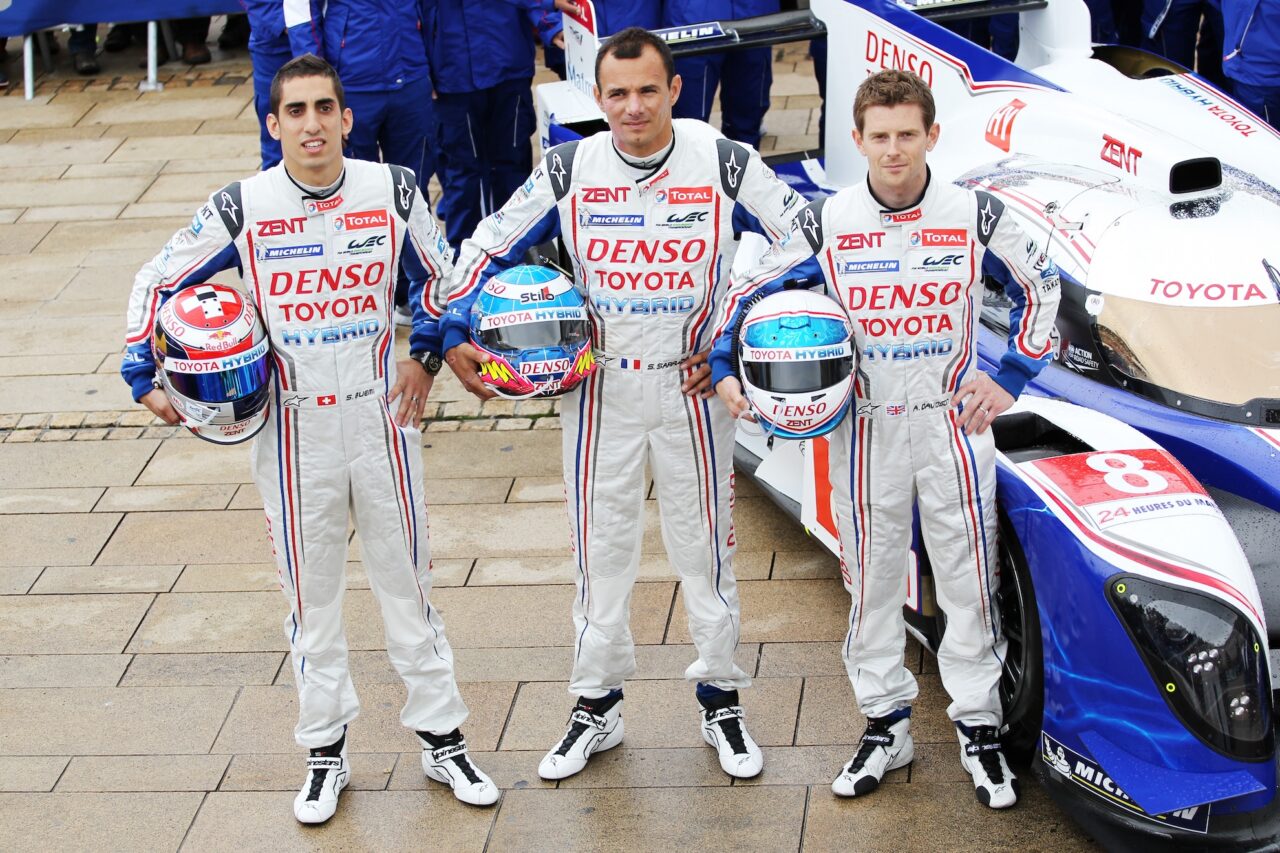
But it is not an immutable rule. During the early years of its WEC programme, Toyota already fielded crews without a Japanese driver when it could not find one who ticked every box. Think of Sébastien Buemi / Anthony Davidson / Stéphane Sarrazin, Sébastien Buemi / Anthony Davidson / Nicolas Lapierre, or Alexander Wurz / Stéphane Sarrazin / Mike Conway.
When the right candidate is not available, the Japanese giant would rather turn to a foreign driver than compromise its chances. The question therefore becomes less about passports than performance. And that is precisely what could open the door to a Frenchman.
Who would take his place?
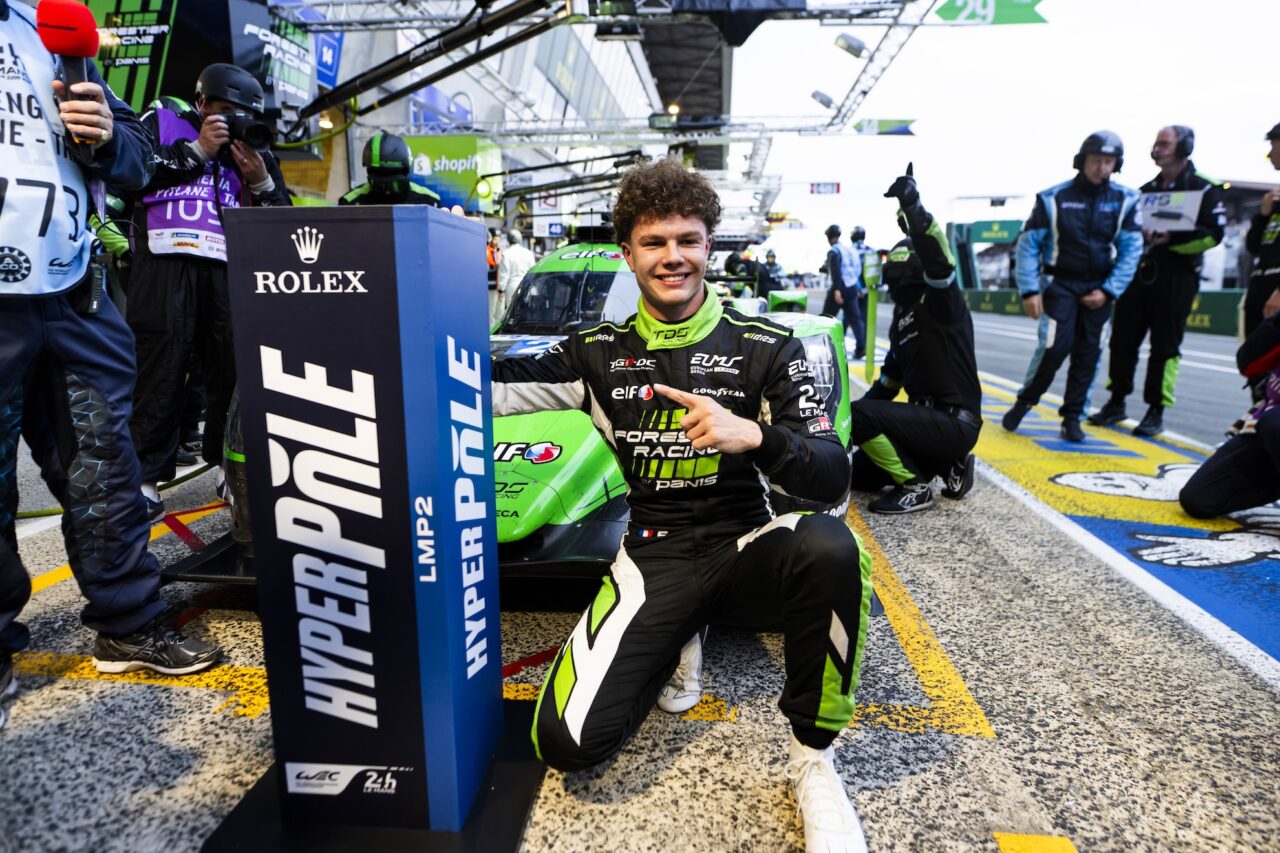
On that front, there appears to be considerably less suspense. If Ryo Hirakawa leaves the WEC to join Haas in Formula 1, Esteban Masson stands out as the natural successor in the #8 TR010 Hybrid.
The 21-year-old Frenchman has been part of the Toyota ecosystem since December 2024, when he was officially announced as a member of the Toyota Gazoo Racing Driver Challenge Program. That followed an impressive season aboard Akkodis-ASP’s Lexus RC F LMGT3 and a successful first taste of the GR010 Hybrid at the Bahrain Rookie Test.
Toyota would therefore not be rushing a young driver into the seat simply to fill a vacancy. It would instead be accelerating a path that has already been mapped out. The reigning ELMS champion is regularly called upon by Toyota to take part in private Hypercar tests, further preparing him for the step up. At Le Mans this year, he unofficially acted as Toyota’s reserve driver, which is why he completed a handful of laps in the TR010 Hybrid during the Test Day.
It would be anything but a leap into the unknown. And perhaps that is what makes the Portimão shootout so intriguing: Haas will decide the identity of its own driver, but in doing so, almost inadvertently, it could also decide Toyota’s.