The FIA, the global governing body for motor sport, and the Automobile Club de l’Ouest, founder and organiser of the 24 Hours of Le Mans, whose subsidiary Le Mans Endurance Management promotes the FIA WEC, have therefore chosen to continue their collaboration.
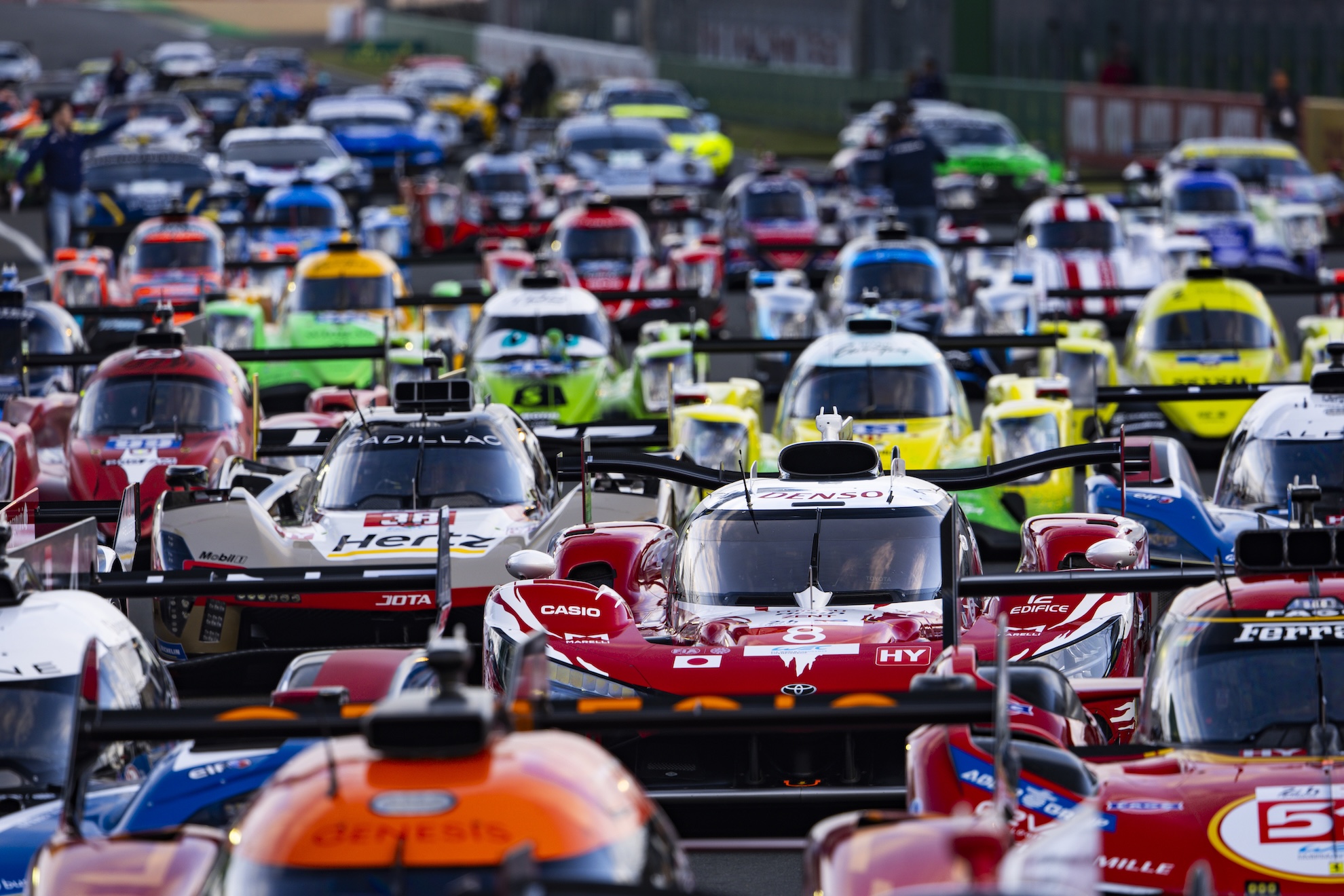
The extension gives the championship unprecedented long-term visibility at a time when endurance racing is enjoying a particularly strong period, with eight manufacturers currently competing in the top class and at least nine expected in 2027 with the arrival of Ford and McLaren.
“The championship is experiencing exceptional momentum, with growing engagement from manufacturers, teams, partners, media, and fans around the world,” says FIA WEC CEO Frédéric Lequien, for whom the extension provides “a strong framework to build on this growth”.
What has been announced?
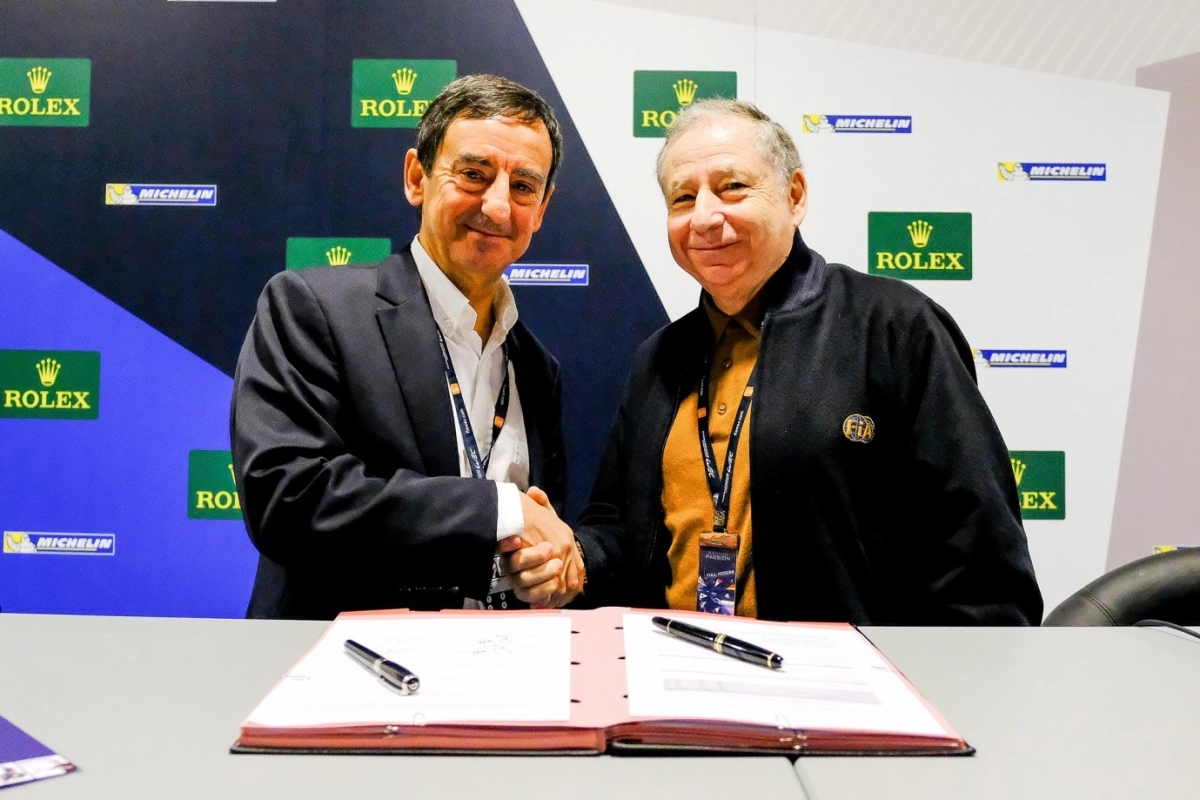
Partners in the organisation of the FIA World Endurance Championship since 2012, the FIA and the ACO have agreed to continue their collaboration beyond 2027, when the current partnership signed in 2021 — while Jean Todt was still FIA President — is due to expire.
The agreement binding the two organisations will be extended by a further ten years from the end of 2027 and will therefore run until the end of 2037. It gives the FIA and the ACO a horizon stretching well beyond the next major regulatory overhaul expected in 2030.
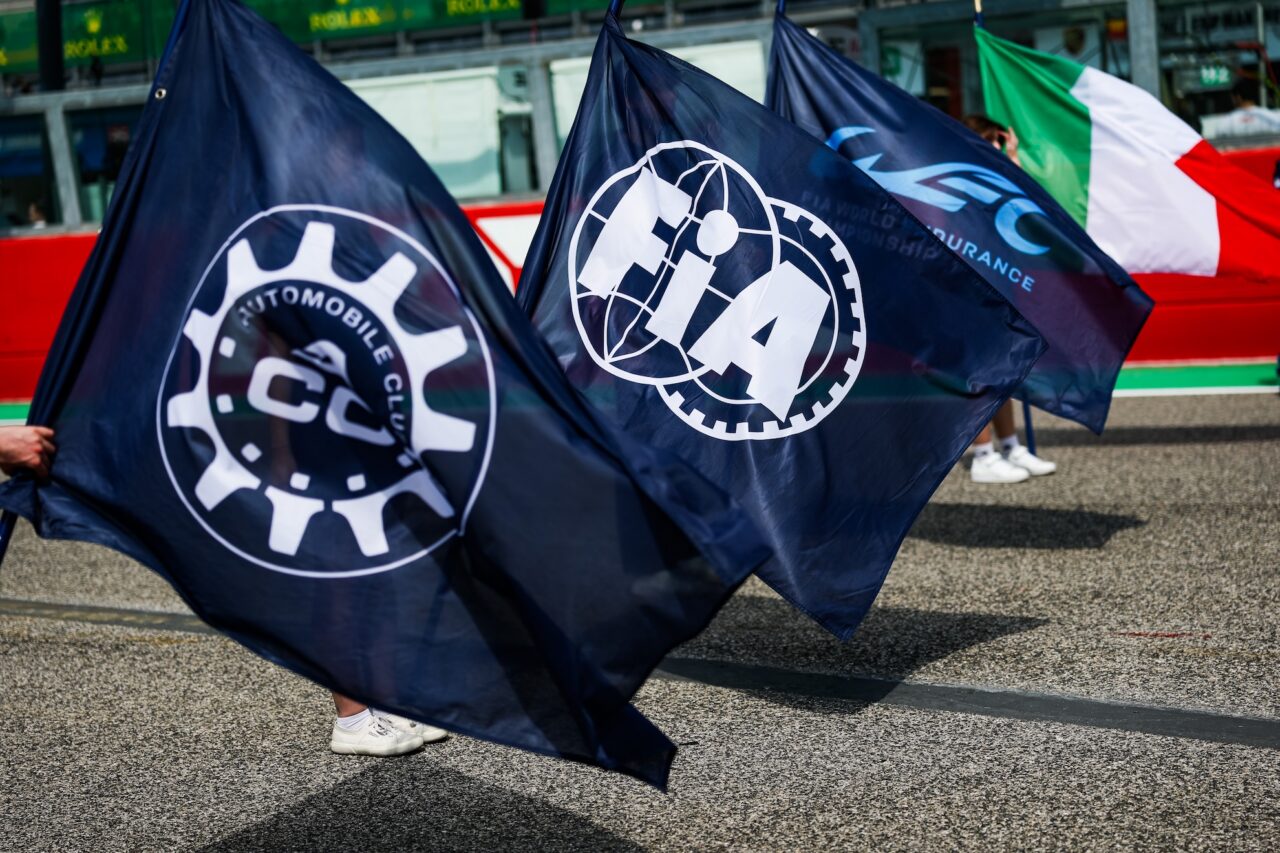
The extension is not simply about the length of their collaboration, as it could also reshape some aspects of it. The agreement notably provides for significantly greater FIA visibility across the championship — including in parc fermé, on the podium, on the Safety Cars and throughout broadcast coverage — as well as a stated ambition from both parties to expand the partnership commercially. This is an approach the FIA has also adopted across its other championships.
From 2030, the agreement is also intended to support the introduction of a more unified technical framework for Hypercars competing in both the FIA WEC and IMSA, with the stated aim of improving cost-efficiency and encouraging greater manufacturer participation. This will notably involve the introduction of a single technical platform. It will also provide a framework for the development of hydrogen powertrains in competition.
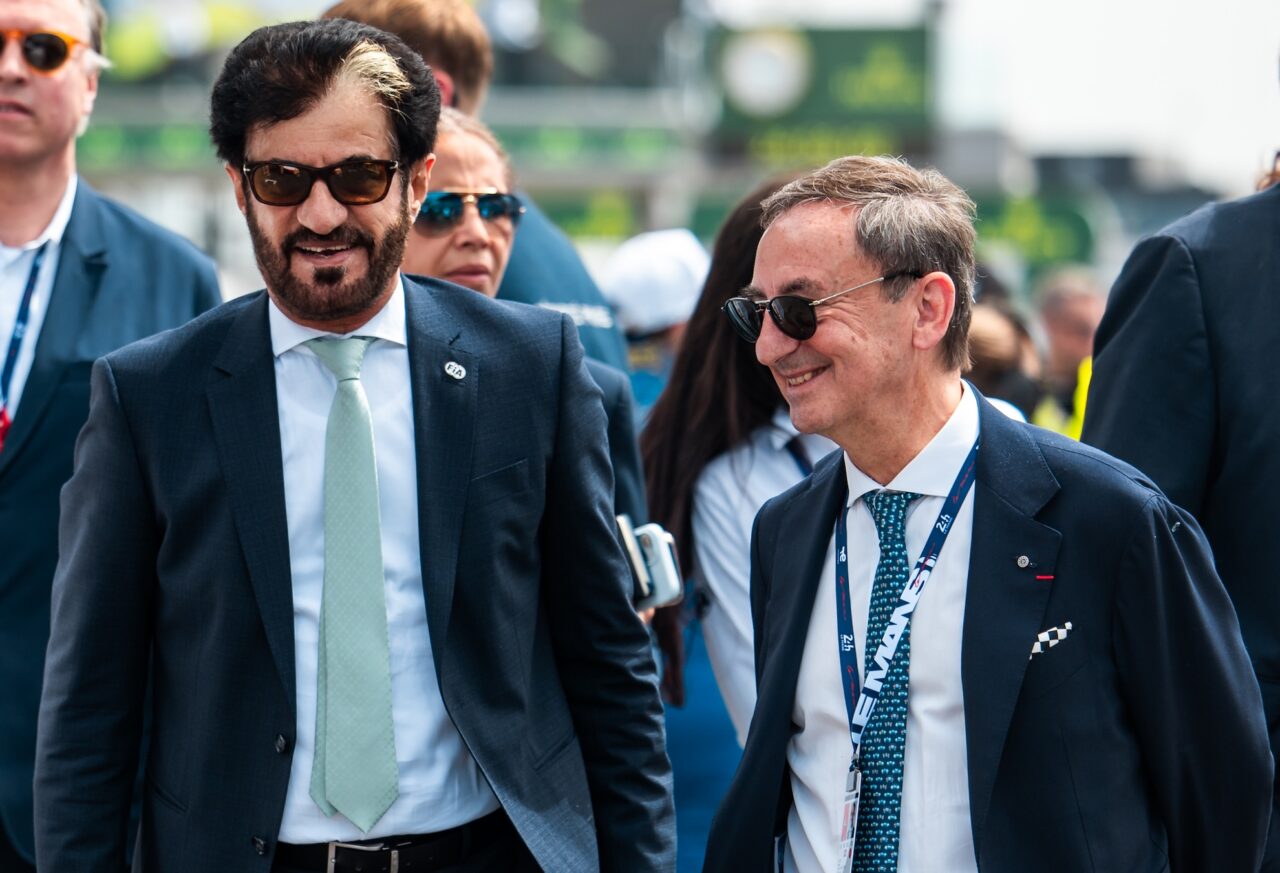
While the announcement itself had been expected, the signing of the official documents ultimately took longer than initially indicated — possibly because of the unusually long duration of the extension. At the 24 Hours of Le Mans in June, Mohammed Ben Sulayem had suggested that an agreement was imminent. It ultimately took several more months for the two parties to reach a deal.
“This is not simply an agreement, it is a vital step forward for racing that will secure the future of the FIA World Endurance Championship for years to come,” said Mohammed Ben Sulayem. The FIA President went as far as describing it as a “deal of the century”, one that he says strengthens the collaboration between the two organisations.
It is difficult today to imagine a World Endurance Championship without the 24 Hours of Le Mans. Equally, it is difficult to imagine a platform as powerful as Hypercar without the World Championship status conferred by the FIA.
History, however, reminds us that the two organisations have not always been so closely intertwined.
FIA-ACO: how does it work?
There is much more behind the agreement between the FIA and the ACO than a straightforward relationship between a governing body and a promoter. Since the WEC was revived in 2012, it has relied on a rather unusual division of responsibilities: the FIA grants it World Championship status and plays a role in its sporting, regulatory and technical governance, while the ACO, owner and organiser of the 24 Hours of Le Mans, also promotes the championship through Le Mans Endurance Management.
The new agreement fits within that architecture while providing for what the two parties describe as stronger regulatory oversight. All regulatory processes will be overseen by FIA Working Groups and the FIA Endurance Commission, before requiring final approval from the FIA World Motor Sport Council. The homologation process is also described as having been “streamlined”, with the FIA and ACO jointly overseeing the homologation of all cars competing in the Hypercar class.
In the championship’s early years, Sir Lindsay Owen-Jones, then President of the FIA Endurance Commission, described the cooperation between the two organisations as “the basis for the whole World Endurance Championship”. He even described the Commission as a witness to the “Entente Cordial” between the FIA and the ACO, arguing that both sides had to “do everything to avoid” the kind of public splits capable of undermining other championships.
The parallel is no coincidence. The questions that had recently emerged over the renewal of the FIA-ACO agreement ultimately raised the issue of the future of this shared architecture.
“We are delighted to see the agreement between the FIA and the ACO extended, reinforcing the strong and long-standing relationship that has been at the heart of the FIA World Endurance Championship since its creation in 2012,” said Pierre Fillon.
The ACO President describes a partnership built on “trust, shared ambition, and a common commitment to the development of endurance racing”.
An ‘Entente Cordiale’ that became indispensable
The FIA and ACO each came with their own history, responsibilities and interests. But the cooperation soon became central enough for those who built it to describe it as one of the very foundations on which the new championship rested.
Yet this structure was far from an obvious outcome. When the partnership was renewed in 2017, Pierre Fillon himself recalled: “When we announced this partnership in 2011 a lot of people were sceptical.”
That cooperation was tested almost immediately. Just days before the entry list for the WEC’s inaugural season was published, Peugeot abruptly announced the end of its endurance racing programme. A few years later, the Dieselgate scandal precipitated the successive withdrawals of Audi and then Porsche, ultimately spelling the end for LMP1 as it then existed.
Yet the FIA and ACO chose to continue together. A 2018-2019 “Super Season”, spanning two calendar years, helped manage the transition, while the foundations of what would eventually become the Hypercar regulations gradually took shape. That category now forms the backbone of the championship’s remarkable resurgence.
The extension through the end of 2037 therefore secures for another decade a model around which endurance racing has grown considerably stronger in recent years. More importantly, it now takes the FIA-ACO alliance well beyond the next major regulatory transformation of the top class.