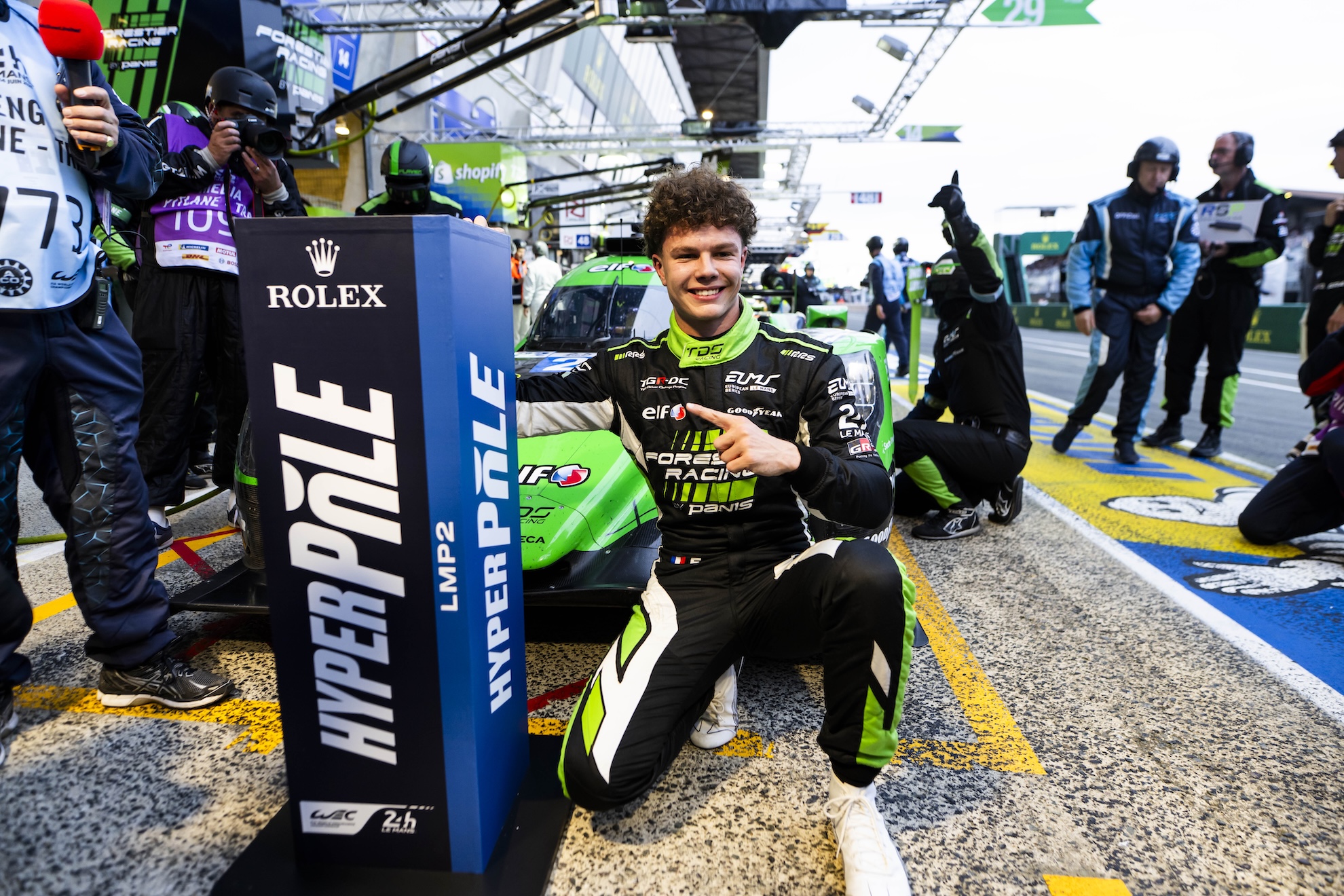
Le Mans has always been a proving ground for experience. Yet behind a Hypercar podium with an average age north of 35, several drivers under the age of 25 used the world’s greatest endurance race to remind everyone that they have no intention of waiting their turn.
Some are already competing at the highest level. Others are still learning their craft. But all six left their mark on the 94th running of the 24 Hours of Le Mans through their speed, maturity and ability to deliver under pressure.
In a discipline where experience remains one of the most valuable currencies, these drivers showed that endurance racing’s next generation is already beginning to establish itself.
Esteban Masson – 21
Twelve months after dazzling on his Le Mans debut, Esteban Masson returned to prove that 2025 was no one-off. The Frenchman topped every significant LMP2 performance chart. Fastest lap of the week. Fastest race lap. Outstanding consistency. Few drivers made a stronger impression.
Yet, for the second consecutive year, victory slipped through his grasp. The #29 Forestier Racing by Panis Oreca 07 he shared with Louis Rousset and Oliver Gray had to settle for third place behind the two Inter Europol Competition entries.
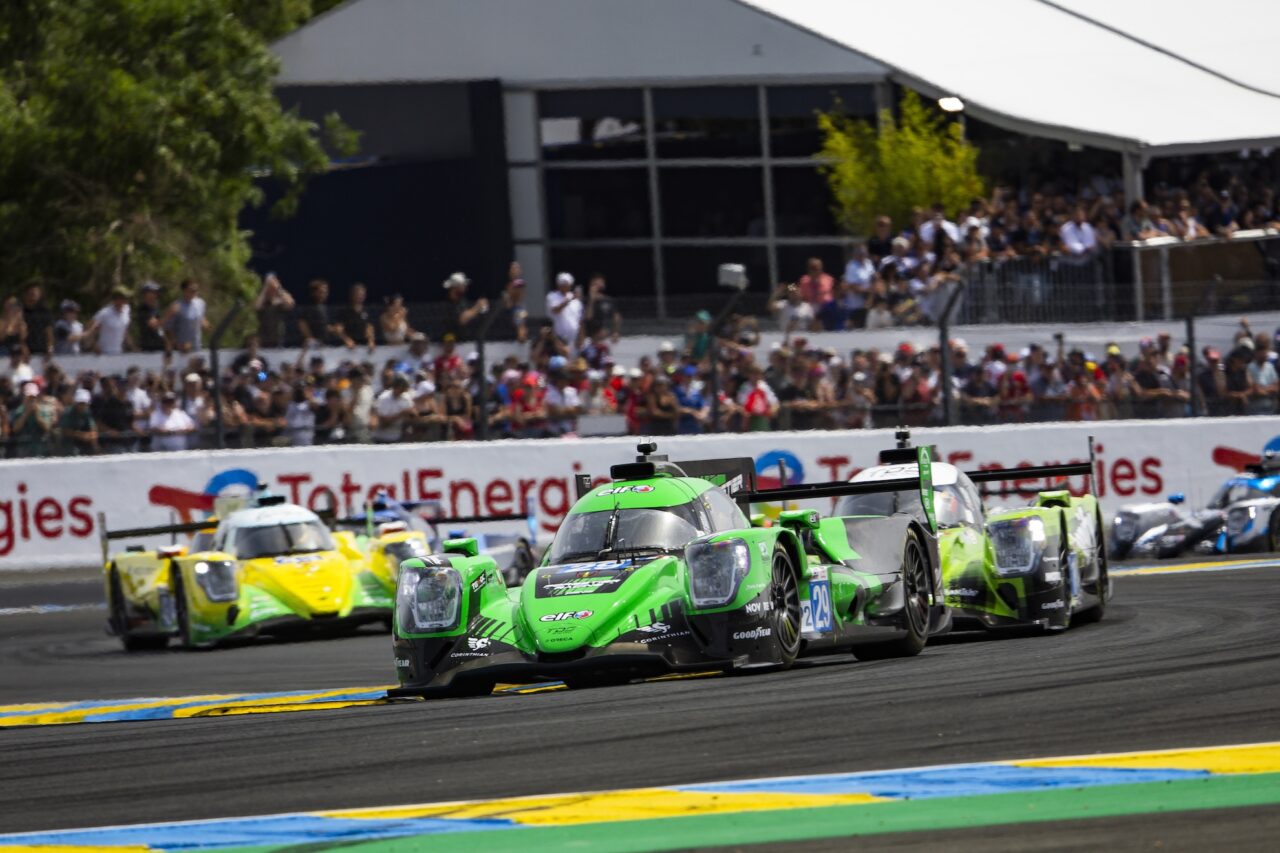
The result, however, barely scratches the surface of the story. What stands out most about Masson is not simply his speed, but the completeness of his profile. He combines raw pace with an unusual level of maturity and race intelligence for a driver of his age.
A year ago, he looked like one of endurance racing’s most exciting prospects. Today, he looks like one of its future stars. And within Toyota’s driver development system, there appears to be little doubt about the trajectory he is on.
WHO ARE YOU? French F4 champion in 2021 and Eurocup-3 champion in 2023, Masson quickly found his footing in endurance racing. He finished runner-up in the ELMS GT standings with Kessel Racing during his rookie season before claiming second place in LMP2 at Le Mans and securing the ELMS title later that same year.
Hadrien David – 22
Surprisingly, Hadrien David is still classified as a Silver-rated driver by the FIA. If he continues on his current trajectory, that may not be the case for much longer.
Competing in the FIA World Endurance Championship and driving the Lexus RC F LMGT3 for the first time, the Frenchman delivered an outstanding performance on his Le Mans debut.
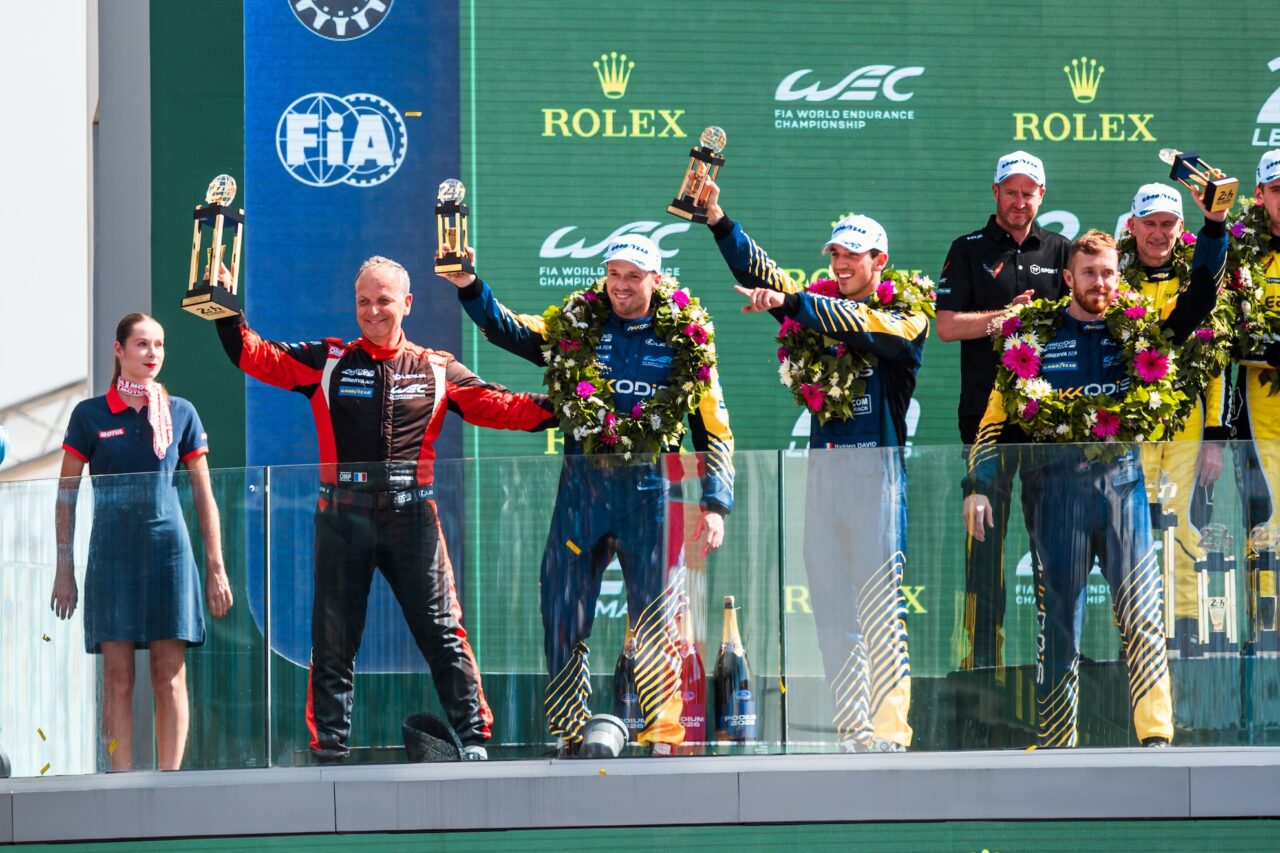
Reliable, quick and remarkably consistent, David featured prominently in virtually every meaningful performance metric, whether it was fastest race lap, average pace across his 10 quickest laps or average pace across his best 50 percent of race laps.
Perhaps most impressively, he matched – and occasionally outperformed – teammate Jack Hawksworth, widely regarded as the benchmark behind the wheel of the Lexus. Hawksworth has raced the car since 2017 and won the IMSA GTD Pro title in 2023.
David’s ambition is no secret. He hopes to follow in the footsteps of close friend Esteban Masson, who is now part of Toyota’s driver development structure. His decision to pursue a career in LMGT3 with Lexus rather than move into LMP2 was also influenced by a desire to remain visible to the Japanese manufacturer.
WHO ARE YOU? French F4 champion in 2019 and runner-up in Formula Regional European Championship by Alpine two years later, David spent much of his early career following the traditional single-seater ladder. He switched to endurance racing in 2024, finishing runner-up in the Michelin Le Mans Cup LMP3 standings before securing the title the following season. His performances earned him a place in the FIA WEC.
Jonny Edgar – 22
Driving the TF Sport-entered #33 Chevrolet Corvette Z06 GT3.R, Jonny Edgar helped deliver Ben Keating a third class victory at the 24 Hours of Le Mans and secured Corvette’s tenth category win of the century.
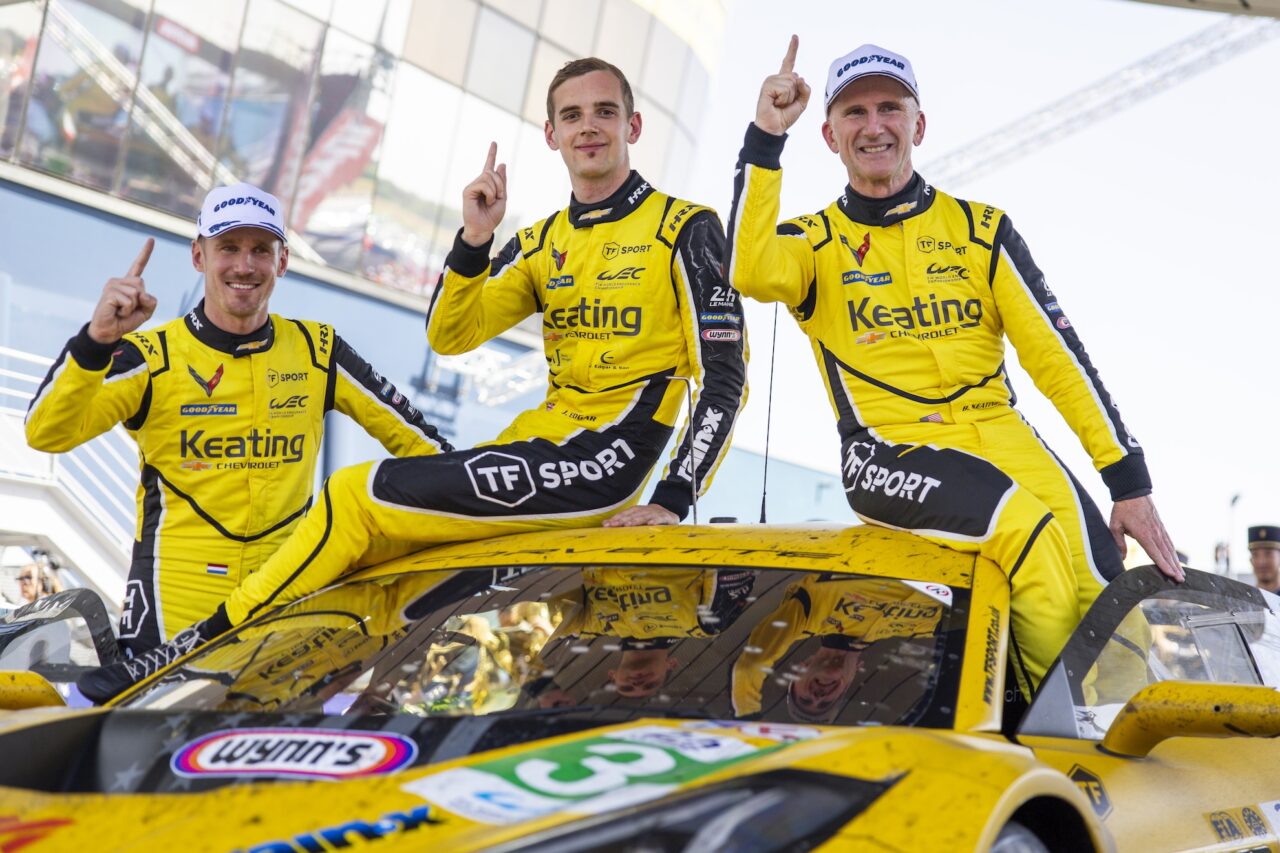
In only his second appearance at La Sarthe, the Brit was one of the standout performers in LMGT3. He matched – and arguably exceeded – the pace of his 38-year-old team-mate Nicky Catsburg, a driver who has won some of the world’s biggest endurance races.
It was Edgar, despite his Silver rating, who was entrusted with bringing the car home in the closing stages of the race, at a time when teams usually rely on their highest-rated driver.
The young Brit never put a wheel wrong and eventually took the chequered flag with a full lap in hand over the opposition.
WHO ARE YOU? Edgar won the German F4 title in 2020 before graduating to FIA Formula 3. His career suffered a major setback in 2022 when he was diagnosed with Crohn’s disease. The former Red Bull Junior Team member fought his way back and turned his attention to endurance racing at the end of 2023. One year later, he was already an ELMS LMP2 champion with TF Sport.
Laurin Heinrich – 24
Laurin Heinrich is no longer a prospect. He is already one of endurance racing’s rising stars.
How else do you describe a driver capable of winning the 24 Hours of Daytona, the 12 Hours of Sebring and Le Mans within the space of six months?
Competing in the LMP2 Pro/Am category with CrowdStrike Racing by APR, Heinrich claimed victory on both his Le Mans debut and his first appearance aboard an Oreca 07.
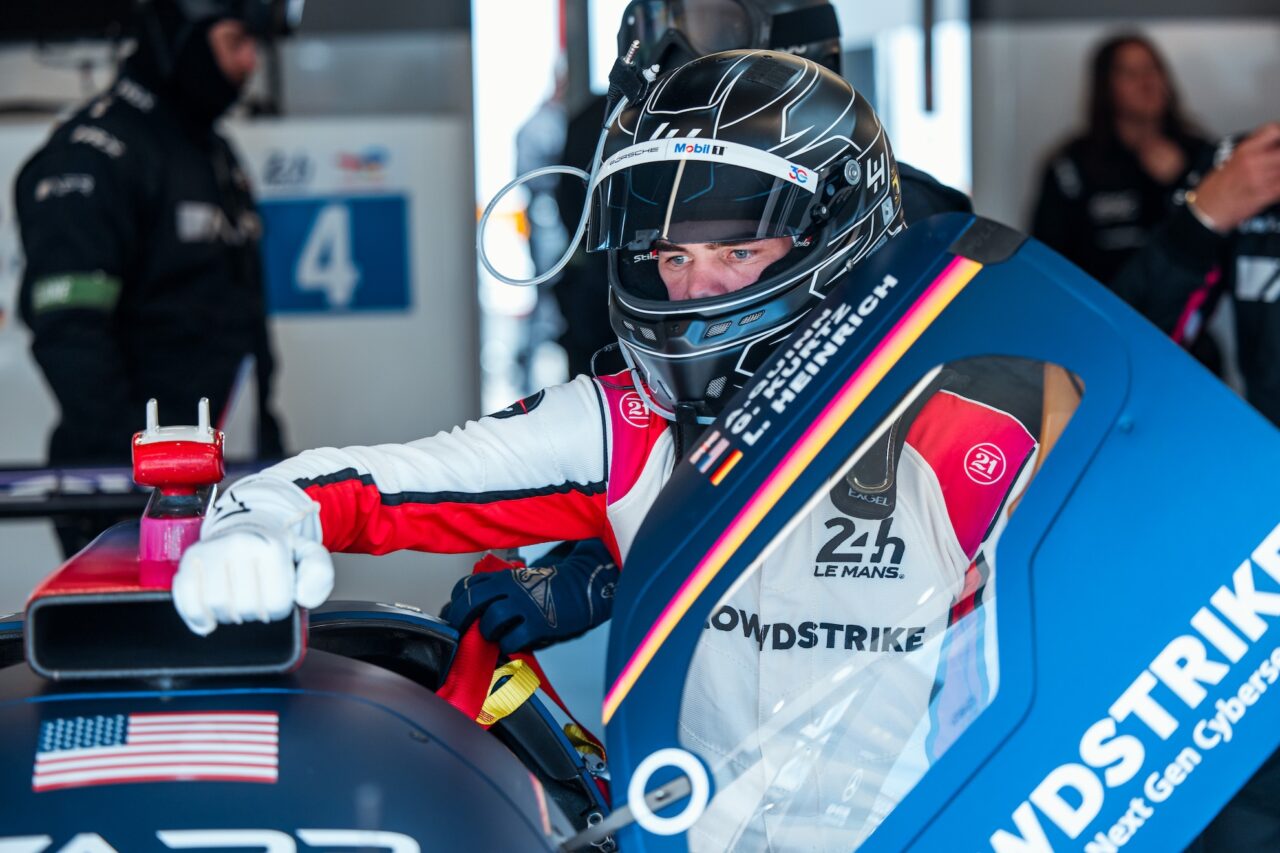
The result alone would have been impressive. The manner in which he achieved it was even more so.
Whether analysing average pace across his 10 fastest laps or his best 50 percent of race laps, Heinrich consistently ranked among the category’s elite despite having far less experience in the Oreca than many of his rivals.
He never put a wheel wrong. No mistakes. No visible weaknesses. Just the kind of performance expected from a factory star.
WHO ARE YOU? Heinrich quickly established himself as one of Porsche Motorsport’s brightest young talents by winning the Porsche Sports Cup Germany in 2019 and the Porsche Carrera Cup Germany in 2022. His first full IMSA GTD Pro campaign ended with a championship title in 2024. Such has been his rise that he was ultimately preferred to Thomas Preining in Porsche’s selection process for a place in the 963 programme.
Mathys Jaubert – 21
Genesis was not supposed to fast-track Mathys Jaubert to Hypercar quite this quickly. But after turning heads during his rookie LMP2 campaign, the Frenchman convinced Cyril Abiteboul and the Genesis Magma Racing management that he was ready for the next step sooner than expected.
The 2026 24 Hours of Le Mans suggested they were right. Jaubert continues to stand out for a quality that is difficult to teach: maturity. Sidelined by a left-foot injury in the build-up to the race and forced to brake with his right foot throughout the week, he could easily have faded into the background.
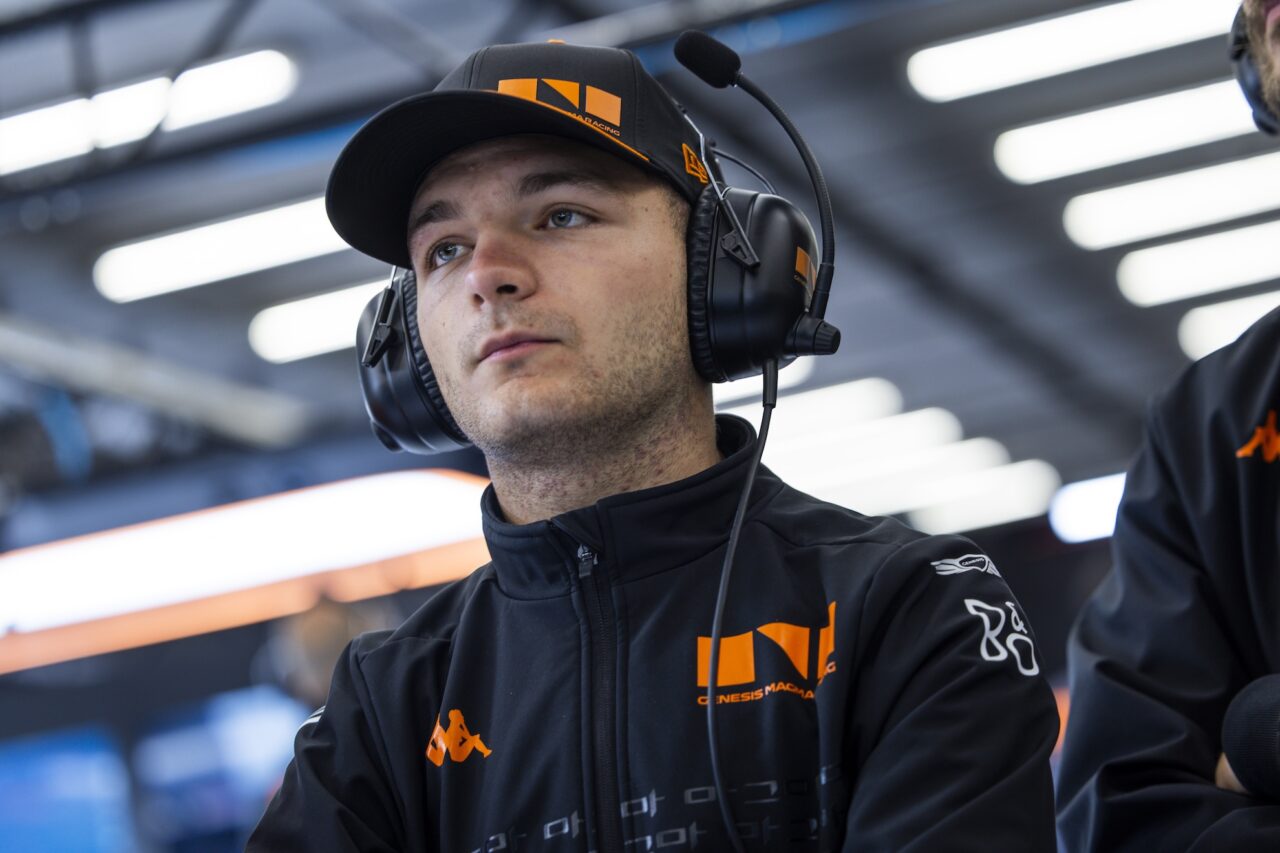
Instead, he delivered a faultless performance. His defining moment came in Hyperpole 1, where he ignored the pain and produced a stunning 3m23.126s lap. Had that time been set in Hyperpole 2, it would have been good enough to place the #17 Genesis on the front two rows of the grid.
For a driver competing in his first full season at this level, it was a remarkable statement. Genesis may already have found one of the cornerstones of its future.
WHO ARE YOU? Jaubert followed a less conventional path than many of his contemporaries, progressing through Caterham France and Porsche Carrera Cup France before moving into endurance racing. Supported by several prominent figures in the paddock, including Nicolas Minassian, Norman Nato and members of the Bianchi family, he joined IDEC Sport before being selected for Genesis Magma Racing’s junior programme.
Victor Martins – 24
Single-seater drivers often require time to adapt to the unique demands of endurance racing. Victor Martins appears to have skipped a few steps.
The Frenchman endured a difficult lesson at Imola when he received a penalty for speeding under Full Course Yellow conditions. At Le Mans, however, he looked like a driver who had learned quickly.
Fast, disciplined and consistently reliable, Martins emerged as one of Alpine’s standout performers throughout the race. His pace was impressive. His racecraft was equally convincing.
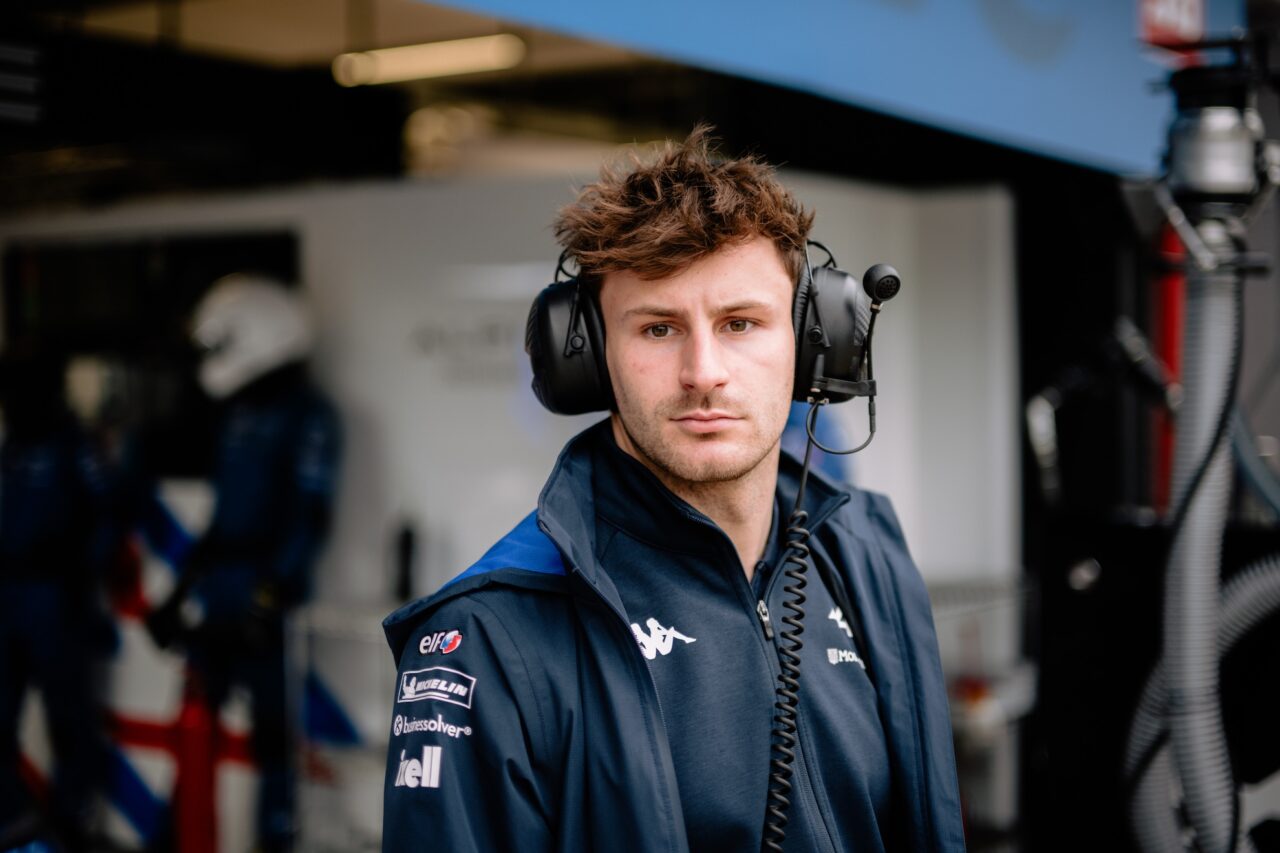
Alpine’s management took notice, publicly praising his contribution after the race despite the #36 A424 ultimately finishing only 10th alongside Jules Gounon and Frédéric Makowiecki.
The final result tells only part of the story. Individually, Martins left Le Mans with his reputation significantly enhanced.
With Alpine set to exit WEC at the end of the season, he will not return to La Sarthe in blue. But there is little doubt that several manufacturers will have taken a closer look at what he achieved during his Le Mans debut.
WHO ARE YOU? Martins won the Formula Renault Eurocup title in 2020 before adding the FIA Formula 3 crown in 2022. He then spent three seasons in Formula 2, collecting 17 podium finishes and establishing himself as one of the category’s leading drivers. Alongside his racing commitments, he serves as a test and development driver for Williams Racing.