The Winners & Losers From Spa’s Le Mans Dress Rehearsal
Published on , by Thibaut Villemant
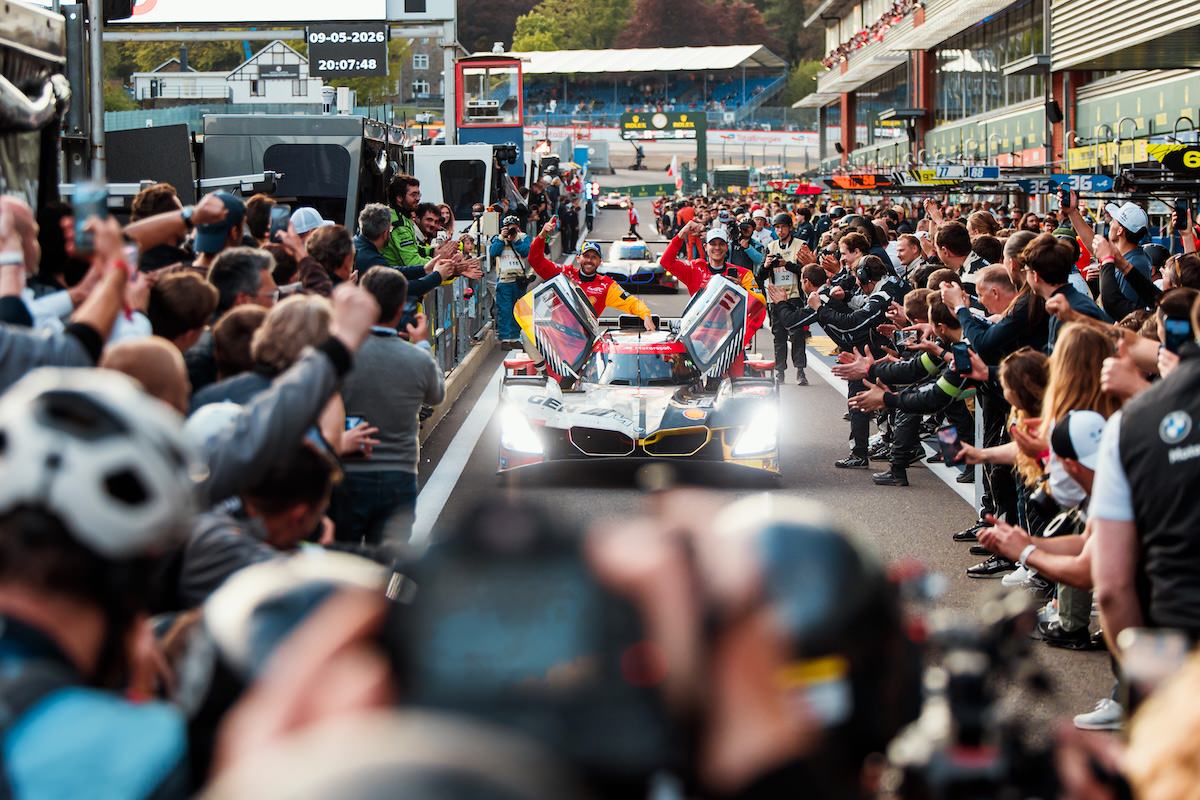
The one-two finish felt bigger than a breakthrough victory. It felt like validation. Of a programme that never lacked ambition, only proof. Of a partnership between BMW and WRT that always looked right on paper but had yet to deliver the result that changes perception.
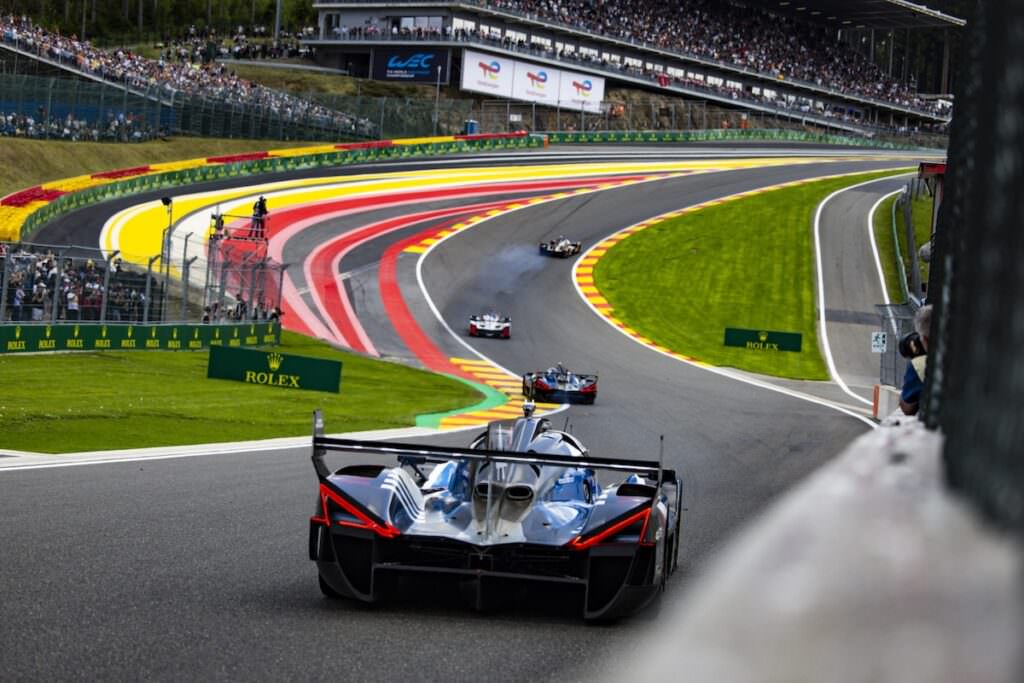
Spa-Francorchamps has always been an honest circuit. It exposes weaknesses, rewards conviction and, a month before the 24 Hours of Le Mans, often tells a deeper story than the result sheet suggests.
The 2026 edition was no exception. An edition that will be remembered as the one that saw BMW and the M Hybrid V8 claim their maiden FIA WEC victory through a daring strategy call.
Winner – BMW M Team WRT
For two years, BMW M Team WRT had been knocking on the door. At Spa, it finally kicked it down.
The one-two finish felt bigger than a breakthrough victory. It felt like validation. Of a programme that never lacked ambition, only proof. Of a partnership between BMW and WRT that always looked right on paper but had yet to deliver the result that changes perception.
What made the Ardennes triumph so convincing was not outright pace. It was control.
BMW built its race. The #20 committed early to an offset strategy, trusted clean air and never looked back. The #15 followed a different path and still arrived in the same place. When Ferrari came charging at the end, Kevin Magnussen defended like a driver who had spent his entire career preparing for exactly that moment.
THIS is what a home win looks like! Every team's dream! 🤩
— FIA World Endurance Championship (@FIAWEC) May 9, 2026
The significance of the moment was not lost on Vincent Vosse. For the WRT boss, this was more than a first Hypercar victory. It was the reward for years of work, setbacks and perseverance.
“I could not have dreamed of a better result on home soil. I think back to the early days of this Hypercar programme, the highs, the lows, all the hard work over the last four years, but also over the seventeen years of this team’s history. This result belongs to every single person who has been part of this journey from day one. The drivers did a perfect job, the team made the right calls at the right time, and I could not be more happy and proud of my guys.”
For the first time since the M Hybrid V8 arrived in WEC, BMW looked like a complete package rather than a promising project.
There are fifth places that feel like victories. This was not one of them.
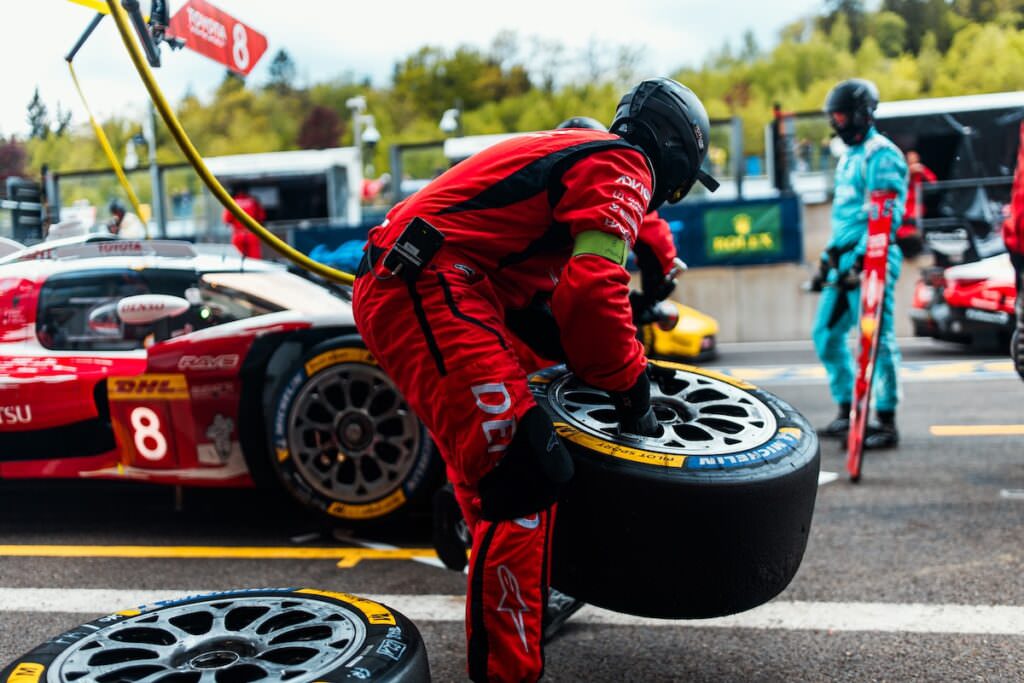
Toyota arrived in Spa lacking the outright speed to challenge Ferrari, Alpine or BMW. Yet somehow, through experience, race craft and strategic imagination, the #8 found itself fighting for second.
It was a classic Toyota race. The kind the Japanese manufacturer has built an empire on. Starting 16th, Sébastien Buemi, Brendon Hartley and Ryō Hirakawa turned an apparently impossible afternoon into a podium opportunity. They read the race better than anyone. They anticipated traffic. They exploited every opening.
Then they undid it themselves. They ultimately had to watch a second place that had seemed within reach slip through their fingers.
Buemi did not try to hide his frustration afterwards. What hurt most was not the lack of pace, but the fact that Toyota had thrown away a result it had painstakingly built itself.
“We made a big mistake. During the first late-race VSC, we didn’t put enough fuel in the car. As a result, we had to stop again one lap before the next VSC. Had we filled the tank completely at the previous stop, we would have made our final refuelling stop under the second VSC and kept second place. The strategy was superb, but we made a significant mistake. That’s how it is. We need to learn from it and make sure it doesn’t happen again.”
The frustration was not that Toyota lacked pace. It was that it lost on the one battlefield it normally dominates: execution.
The concern now goes beyond Spa. Toyota’s greatest strength has always been its ability to compensate for performance deficits through flawless race management. At Spa, even that wasn’t enough.
Winner – Ferrari AF Corse
The 499P never controlled the race, but it remained relentlessly present. Every strategic variation, every Safety Car, every restart eventually seemed to bring a red car back into contention. A podium finish confirmed that Ferrari continues to extract points even when conditions are less favourable.
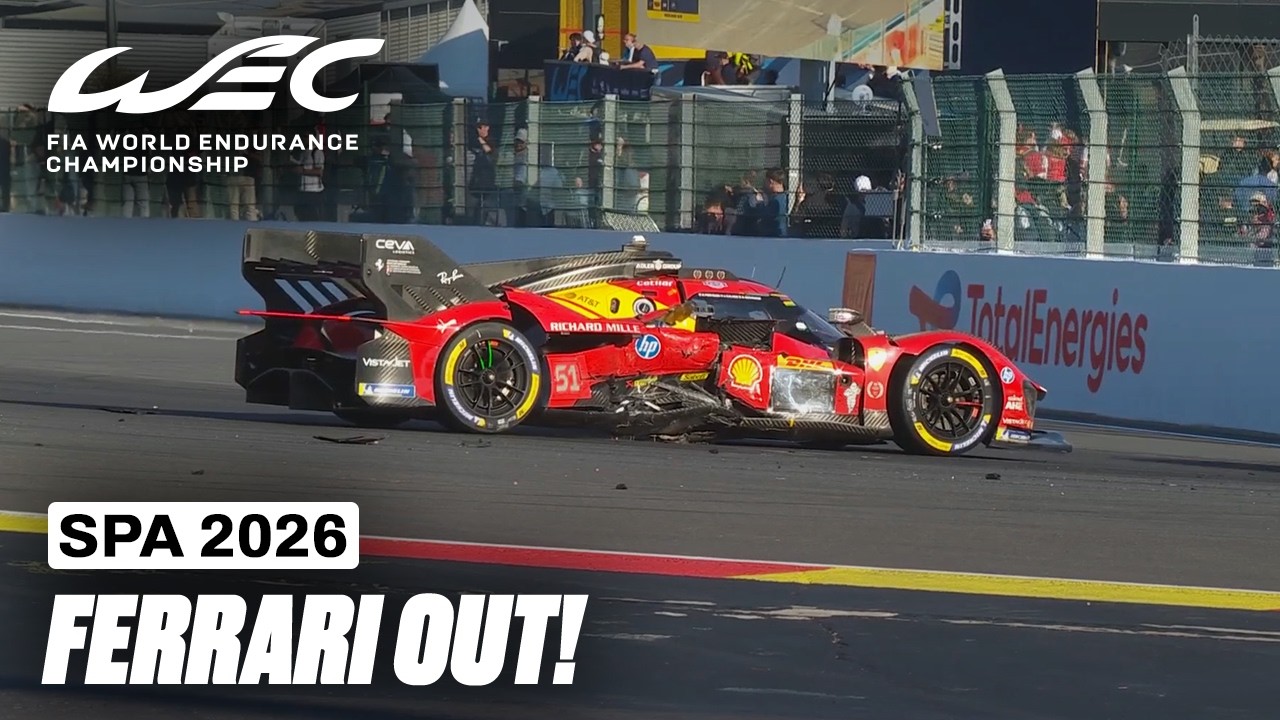
That resilience may be the most worrying sign for everyone else. Even if the No.51 Ferrari was eventually forced to retire after being collected by a LMGT3 car late in the race.
Ferrari’s ability to remain in contention despite adversity was reflected in the words of Ferdinando Cannizzo after the finish.
“There’s a slight bitter taste because we interpreted the strategy well knowing we were not the favourites. Thanks to our consistency we managed to climb back up with all the cars, we were a little unlucky with the pit stop for the number 50 and it’s a shame about the incident that put the number 51 out of the race. We collected important points for the championship, even if only with one car.”
If Spa represented one of Ferrari’s less dominant weekends, the Italian manufacturer still walked away looking entirely comfortable among the frontrunners.
For four hours, Alpine looked like a podium contender. The A424 had pace all weekend. Charles Milesi and Jules Gounon had qualified near the front, and the No.35 spent much of the race fighting exactly where Alpine hoped to be.
Then everything unravelled.
Traffic. Unfortunate timing. A difficult restart sequence. Finally, António Félix da Costa’s mistake on cold tyres at Raidillon.
The crash ended not only a promising race but also the narrative Alpine had been building since Friday. A team that appeared ready to challenge suddenly left Spa empty-handed.
The disappointment was palpable within the French camp. More than the result itself, it was the feeling of a missed opportunity that lingered afterwards.
“We are obviously disappointed to finish in these positions, especially after our strong qualifying performance,” Sporting Director Nicolas Lapierre explains. “Several minor mistakes at key moments proved costly, preventing us from challenging for the lead as the field closed up near the end. It’s frustrating, but this race also highlights exactly where we must improve.”
The encouraging part is that performance was there. The painful part is that nobody will remember it.
Winner – Aston Martin THOR
Results tell one story.
Progress tells another.
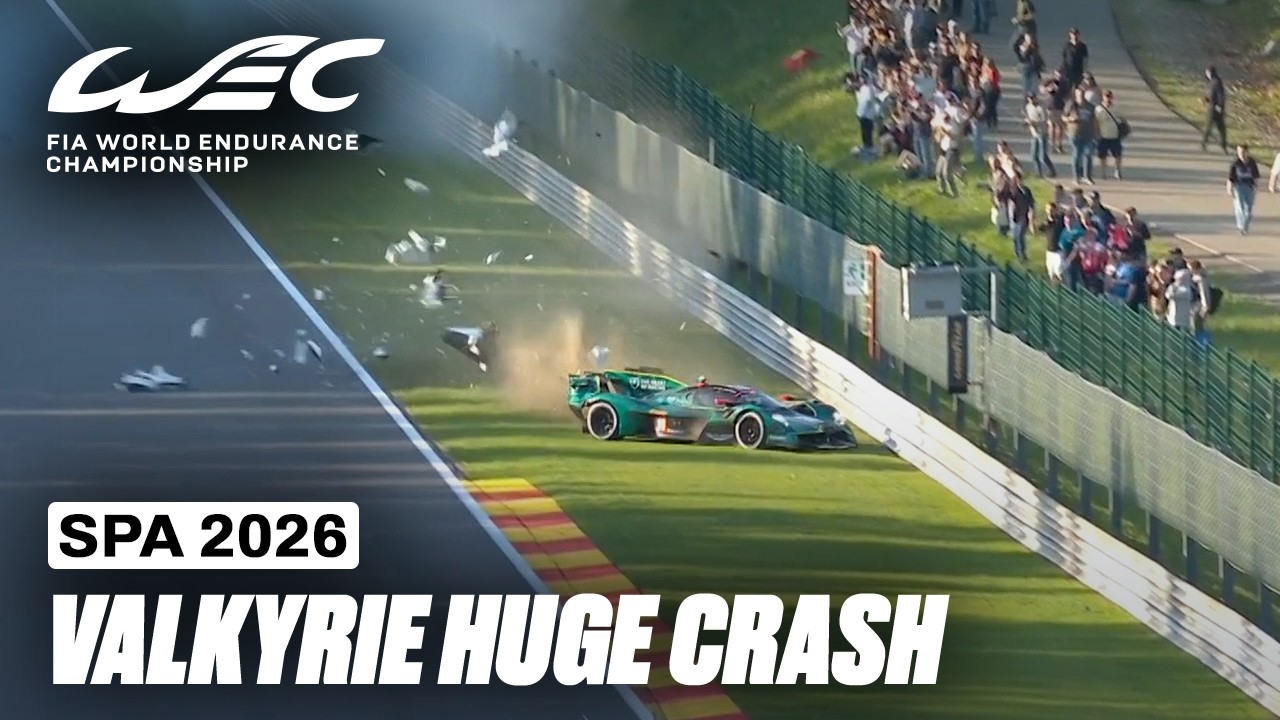
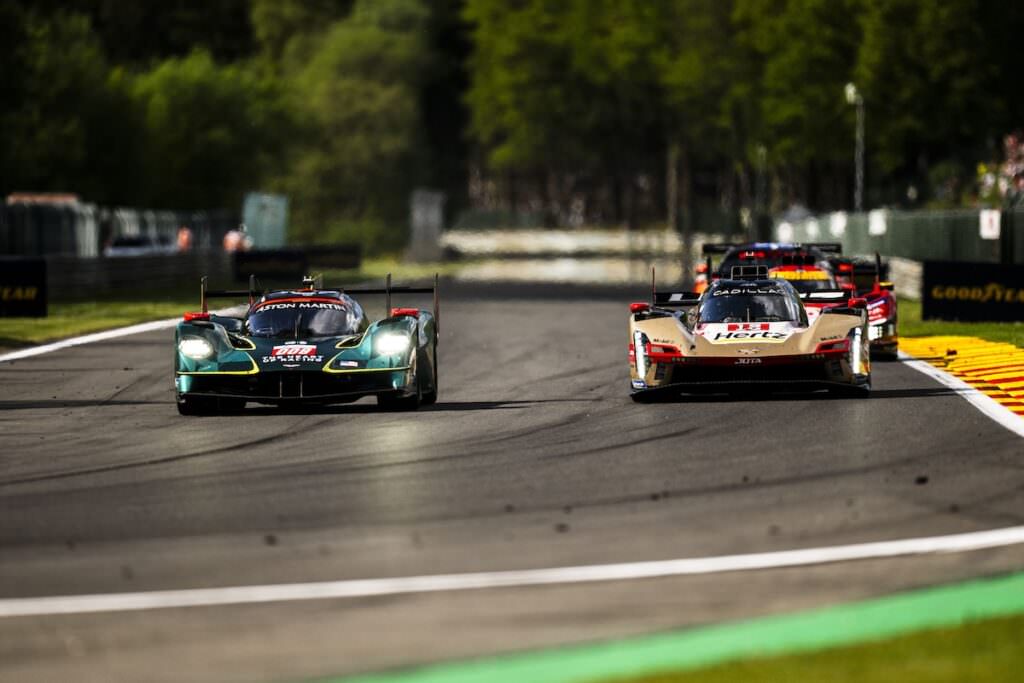
Fourth place may not sound revolutionary, but for Aston Martin THOR it felt like a milestone. The Valkyrie was genuinely competitive throughout the weekend and finished only seconds behind the winner, its best WEC result to date.
More importantly, it finally looked comfortable in the fight.
Harry Tincknell’s overtaking, Tom Gamble’s composure and the car’s impressive speed through Spa’s power-sensitive sectors hinted at something significant. The Valkyrie remains raw in places, but it is no longer simply learning.
There were regrets, too. The sister No.009 looked capable of joining the fight before Alex Riberas’ late-race accident. Aston Martin left believing a podium was possible.
That growing confidence was shared throughout the organisation.
“Finishing fourth in such a fiercely contested race as the 6 Hours of Spa is a good achievement and a great way for Aston Martin THOR Team to begin its preparations for the 24 Hours of Le Mans next month. Valkyrie was competitive all weekend at Spa, and we are very pleased for Harry and Tom who have worked hard and waited a long time to be rewarded with a strong finish. To be just five seconds behind the winner at the end of the race is a clear indication of just how competitive the sport is now, so it gives us plenty to be optimistic about ahead of a critical month in June.”
Only a few months ago, such optimism would have sounded ambitious. Today, it feels entirely justified.
Loser – Peugeot Sport
Pole position was supposed to be the beginning.
Instead, it became another reminder of how difficult Peugeot’s journey remains.
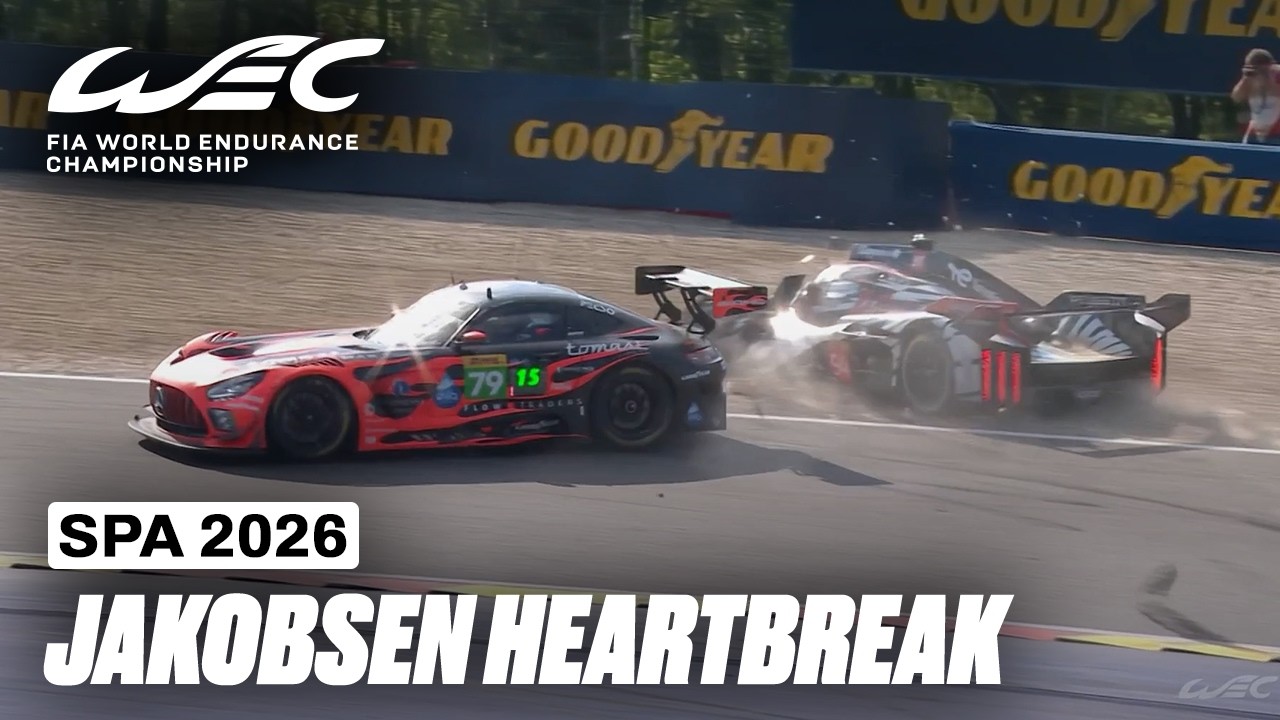
Malthe Jakobsen delivered a superb lap on Friday and briefly gave the French manufacturer something it has desperately needed: momentum.
The race never followed.
A penalty, an unavoidable collision and another anonymous afternoon for the sister car ensured the result failed to match the promise. Yet unlike previous disappointments, Spa also revealed something encouraging.
The 9X8 was competitive. But Peugeot undeniably squandered a chance to claim a podium. For a programme that has spent much of the Hypercar era searching for evidence of progress, that matters.
Which explains why Emmanuel Esnault left Spa with mixed feelings.
“We leave with a mixed feeling after this weekend, with Saturday’s pole position and a strong start to the race with good pace from the #94, but also a big disappointment as a top-five finish was within reach. We finish seventh with the #93, which also recorded the fastest lap of the race. The focus now shifts to Le Mans, with still work to be done before then.”
The result says seventh for the #17 car. The reality was far more complicated.
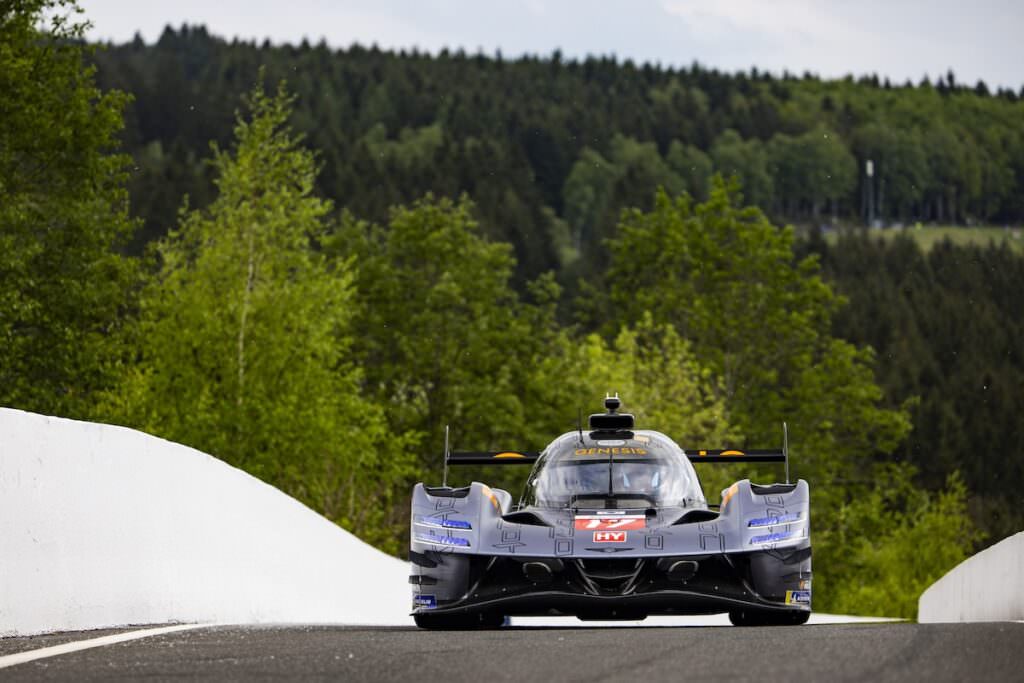
Genesis arrived at Spa still fighting reliability concerns and left with both points and perspective. An aggressive fuel strategy, sharp execution and flawless operational work transformed a difficult afternoon into the programme’s strongest WEC finish yet.
That result owed much to one of the boldest strategic gambles of the afternoon.
“It was a very aggressive call,” explained team principal Cyril Abiteboul. “During the interruption caused by the #51 Ferrari, we short-fuelled the car. We knew it would be extremely marginal to make it to the finish, but our engine issues had forced us to reduce power levels, which also reduced fuel consumption. This positive result gives us energy, but it should not hide our weaknesses.”
The remarkable part is that it happened despite known engine issues and reduced power levels.
The foundations appear stronger than the scoreboard suggests. The clock, however, is ticking relentlessly toward Le Mans.
— FIA World Endurance Championship (@FIAWEC) May 9, 2026
Imola hurt. Spa healed.
Six hours after starting only 15th, Garage 59 delivered McLaren’s first LMGT3 victory since COTA. It was the kind of endurance-racing success that rewards patience more than outright dominance.
Antares Au repaired the damage from qualifying. Tom Fleming kept the car in contention. Marvin Kirchhöfer finished the job.
The penalty that ultimately cost Vista AF Corse victory played a role, but Garage 59 had earned the right to capitalise. They stayed clean, avoided mistakes and applied pressure until Ferrari blinked.
For Andrew Kirkaldy, the victory was above all a testament to the team’s response after the heartbreak of Imola.
“After the massive disappointment at Imola, everyone has worked so hard to make sure we could bounce back quickly. The pit stops were perfect, the drivers did a fantastic job and every member of the team was on it today. This win is a great reward for all of that work.”
Sometimes endurance racing rewards the fastest car.
Sometimes it rewards the team that simply refuses to disappear.
Cadillac may have arrived at Spa with one of its strongest opportunities yet to challenge for victory. It left with a ninth place and more frustration than confidence ahead of Le Mans.
The signs had been encouraging. Both V-Series.Rs qualified inside the top five, the #12 started from the front row and Will Stevens grabbed the lead on the opening lap. For a while, Cadillac looked like a genuine contender.
The #38 never got the chance to tell its story. Early contact from Earl Bamber, a brush with the wall and a transmission failure eventually ended its race.
“It was one of those weekends where everything seemed to be coming together,” admitted Sébastien Bourdais. “The car was quick, the balance was there and we qualified well with both cars. That makes the retirement even harder to take.”
The #12 fared little better. A track-limits penalty dropped it into traffic before an ill-timed VSC and a gamble on soft tyres further compromised its race.
As Louis Delétraz explained: “We stopped and the VSC came out one lap later, which practically ruined our race.”
The result, however, should not hide the underlying pace. Cadillac was fast in qualifying, competitive in clean air and looked comfortable through Spa’s high-speed sections.
“We showed strong pace in the fast corners and on the straights,” said chief engineer Jeromy Moore. “There are a lot of positives to take into Le Mans.”
That may ultimately be the story of Cadillac’s weekend. The potential was obvious. The execution was not.
Don't miss any news
Get our weekly newsletter with all the latest endurance racing news.