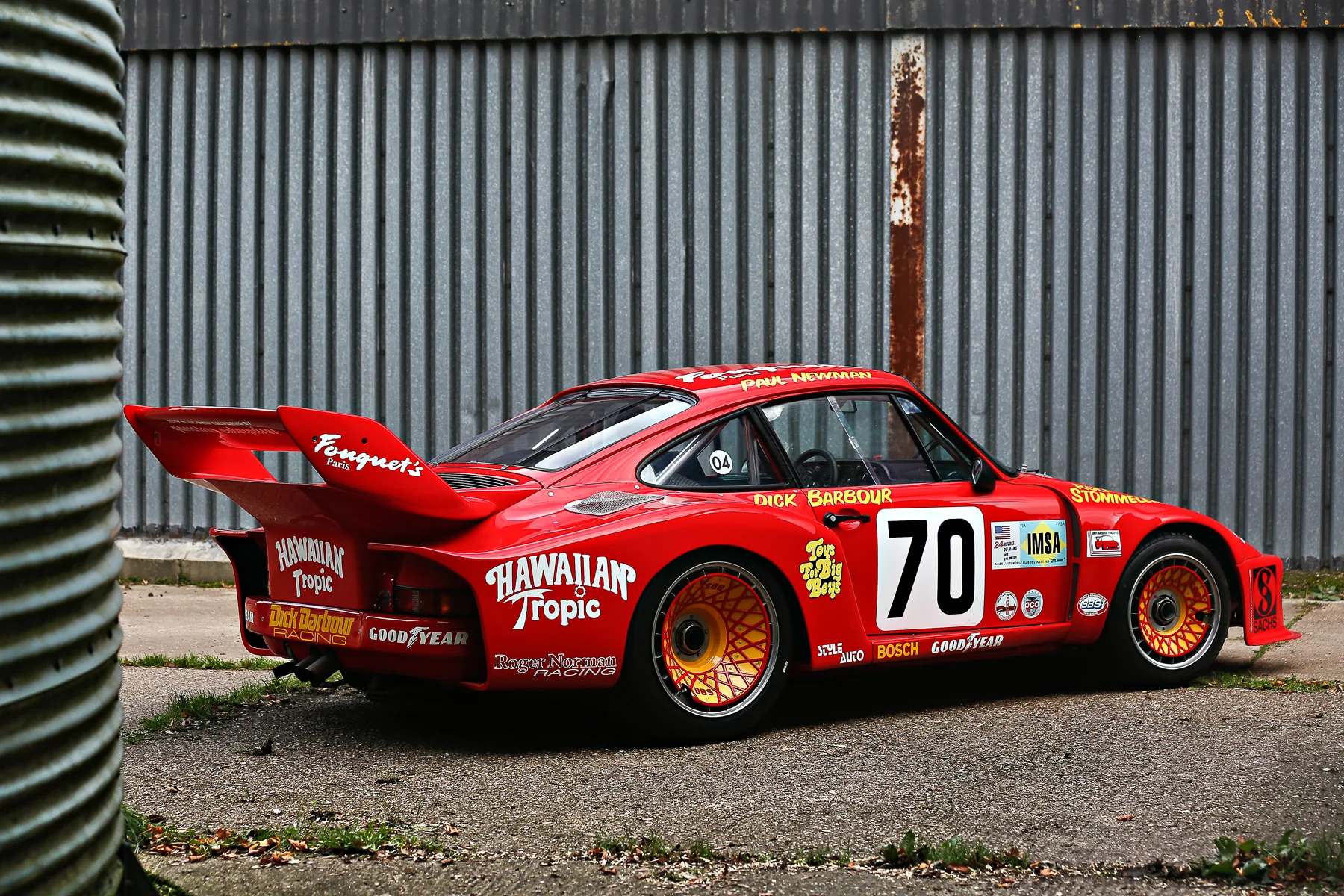
When Paul Newman arrived at Le Mans in June 1979, he was already one of the most famous men on the planet.
The crowds knew him from Cool Hand Luke, Butch Cassidy and the Sundance Kid and The Sting. His face appeared on cinema screens around the world. At 54, he was among Hollywood’s most recognisable figures.
Yet inside the paddock, fame carried limited weight.
Le Mans had seen celebrities before. What mattered here was whether they could race.
Newman was hardly a newcomer to motorsport. A decade had passed since Winning, the film that ignited his passion for racing. Since then, he had immersed himself in competition in the United States, progressing from enthusiastic amateur to accomplished racer. He had built a reputation as someone who approached the sport with seriousness and humility.
Still, Le Mans was different.
The 24 Hours remained the benchmark by which endurance drivers were judged, a race capable of exposing weaknesses as quickly as it rewarded talent. Newman arrived with experience, but also with something to prove.
His car was a Porsche 935 entered by Dick Barbour Racing. Alongside him were team owner Dick Barbour and Rolf Stommelen, one of Porsche’s most respected endurance specialists. If Newman attracted the headlines, Stommelen brought the credentials. The German was among the quickest and most experienced drivers in the field.
As the race settled into its rhythm, the Porsche quietly established itself among the contenders.
The conditions were demanding. Rain repeatedly swept across the Circuit de la Sarthe, contributing to a race in which reliability often mattered as much as outright speed. Through the long hours of darkness, favourites encountered mechanical trouble, accidents and delays.
The bright red Porsche did not.
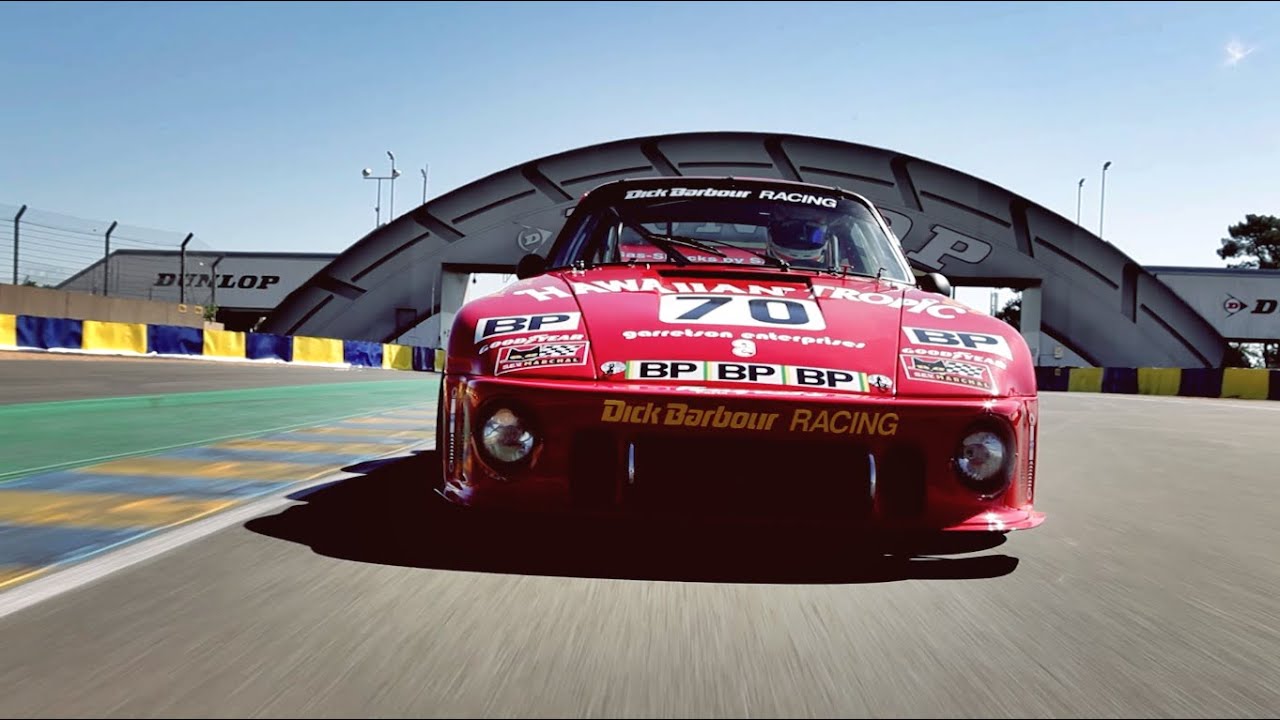
Stommelen delivered the pace expected of him. Barbour brought experience. Newman contributed something less spectacular but equally valuable in endurance racing: consistency.
There were no headline-grabbing stints, no dramatic charges through the field. Instead, he completed his laps cleanly, avoided mistakes and helped keep the car in contention. It was precisely what the team required.
As Sunday morning approached, the race began to take on an unexpected shape.
Ahead stood only the Kremer Racing Porsche 935 K3 of Klaus Ludwig and brothers Bill and Don Whittington. Victory remained a long shot, but it was no longer an impossible one. Then came the moment that transformed the race.
Shortly before noon, the leading Kremer Porsche suffered a broken fuel-injection drive belt on the Mulsanne Straight. What had looked like a comfortable lead suddenly disappeared. For a brief moment, one of the most improbable stories in Le Mans history seemed within reach.
The race, however, had one final twist to offer.
In one of the event’s most famous episodes, the #41 Porsche 935 K3 was kept in the race thanks to an ingenious makeshift repair devised by Manfred Kremer using adhesive tape and an alternator belt. Don Whittington carried out the repair at the side of the circuit before nursing the wounded Porsche back to the pits more than an hour after he had stopped. The leaders had lost significant time, but they were still alive.
At almost the same moment, misfortune struck the Barbour team. A seized wheel nut during a routine pit stop cost more than twenty minutes. The delay all but ended any realistic chance of challenging for victory. Stommelen pushed hard during the closing stages, but the lost ground could not be recovered.
When the chequered flag finally fell, the Kremer Porsche remained in front. Newman, Barbour and Stommelen finished second overall. It remains one of the most celebrated runner-up finishes in Le Mans history, not simply because of the name on the entry list, but because of what it revealed.
For years, Newman had been viewed through the prism of his fame. At Le Mans, fame offered no shortcuts. The race demanded the same discipline, patience and resilience from him as it did from every other driver on the grid.
Over 24 hours, he proved capable of meeting that standard. The achievement was not a spectacular overtake, a pole position or a victory. It was something quieter. Newman demonstrated that he belonged in one of motorsport’s most demanding environments, not as a celebrity guest, but as a genuine competitor.
The victory never came. The respect did. And when Paul Newman left Le Mans in June 1979, few doubted he had earned it.