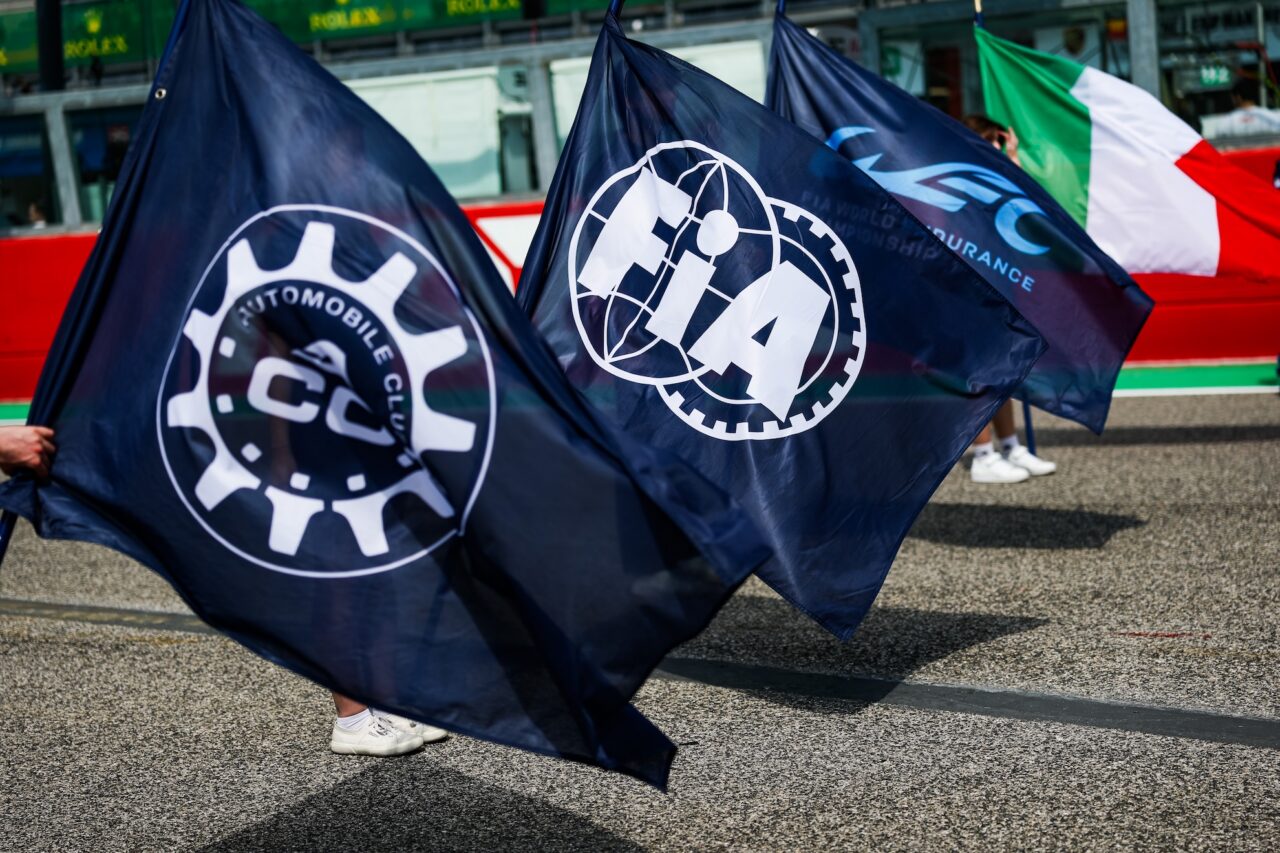
On 3 June 2011, just days before the 24 Hours of Le Mans, the FIA and the Automobile Club de l’Ouest officially announce the creation of a new FIA World Endurance Championship, set to begin in 2012. Nineteen years after the demise of the World Sportscar Championship, endurance racing regains world championship status.
Its rebirth rests on a rather unusual partnership. On one side is the FIA, which grants the WEC its World Championship status and plays a part in shaping its regulatory framework. On the other is the ACO, creator and organiser of the 24 Hours of Le Mans, as well as promoter of the WEC through Le Mans Endurance Management (LMEM).
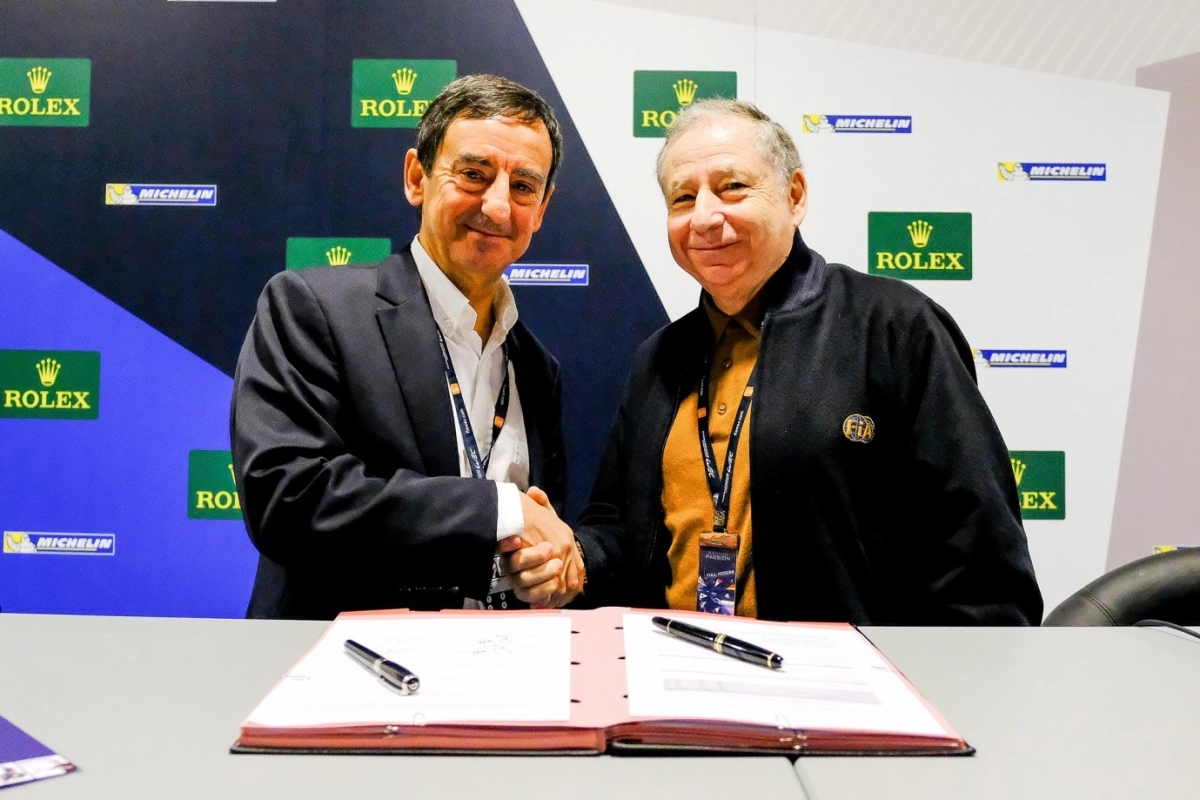
In June 2014, ACO president Pierre Fillon and Jean Todt — then president of the FIA — extend their partnership for the 2015, 2016 and 2017 seasons. Three years later, at Silverstone, a new agreement is signed through to the end of the 2020 season.
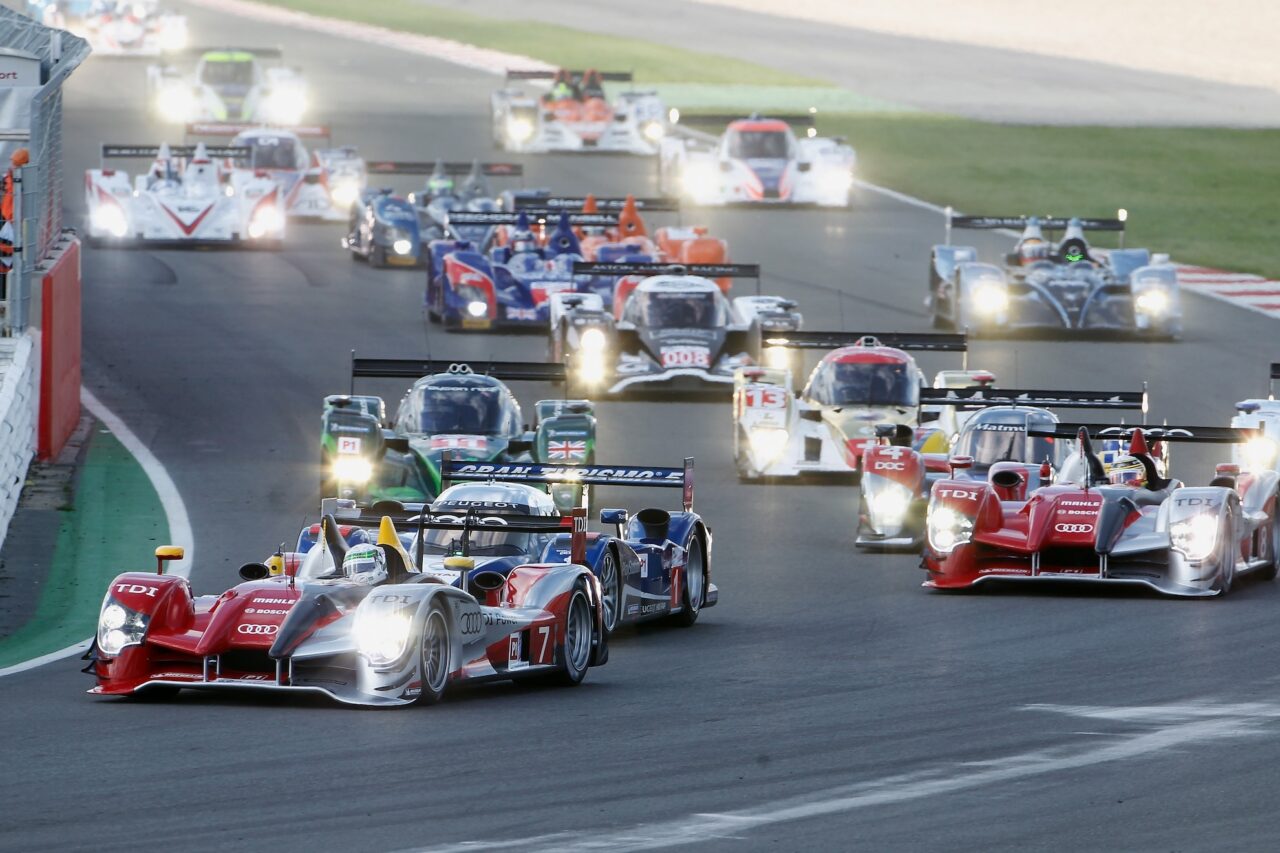
In the meantime, the landscape changes. Dieselgate precipitates the successive withdrawals of Audi and Porsche, leaving the top class in a vulnerable position. Yet the FIA and ACO remain united. The Hypercar regulations emerge from that difficult period, before closer ties with IMSA pave the way for the convergence of LMH and LMDh.
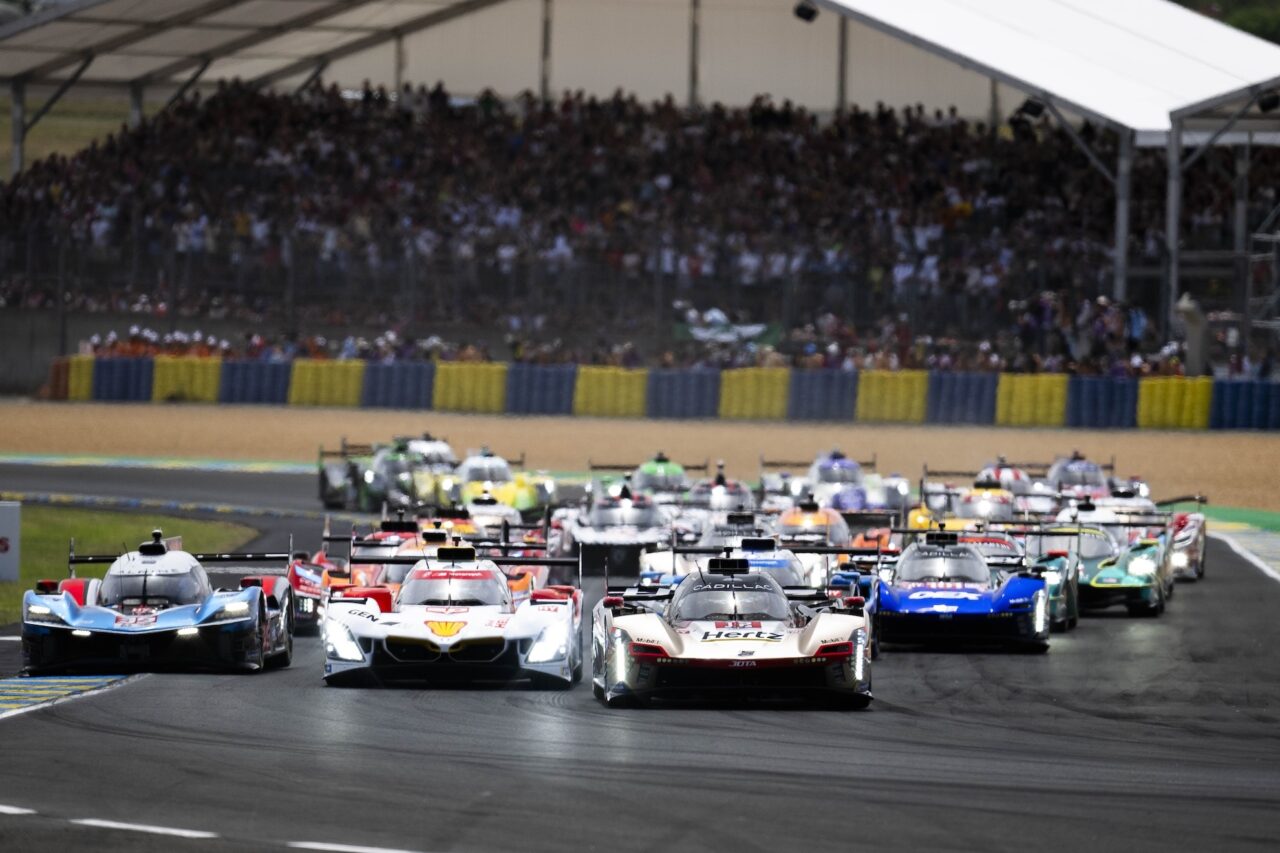
The formula is now well established: Ferrari, Toyota, BMW, Cadillac, Peugeot, Genesis, Alpine and Aston Martin all compete at the highest level of the WEC.
On 21 August 2021, the FIA and ACO announce another extension of the “Accord Le Mans”. Unlike on previous occasions, however, no expiry date is made public.
What has happened since Le Mans?
This is where the picture becomes less clear. According to Auto Motor und Sport, two of the contracts governing the relationship between the two organisations expired last June without a new agreement being signed. The German publication refers to two separate agreements: one appointing LMEM as promoter of the WEC, the other guaranteeing the 24 Hours of Le Mans a place on the World Championship calendar.
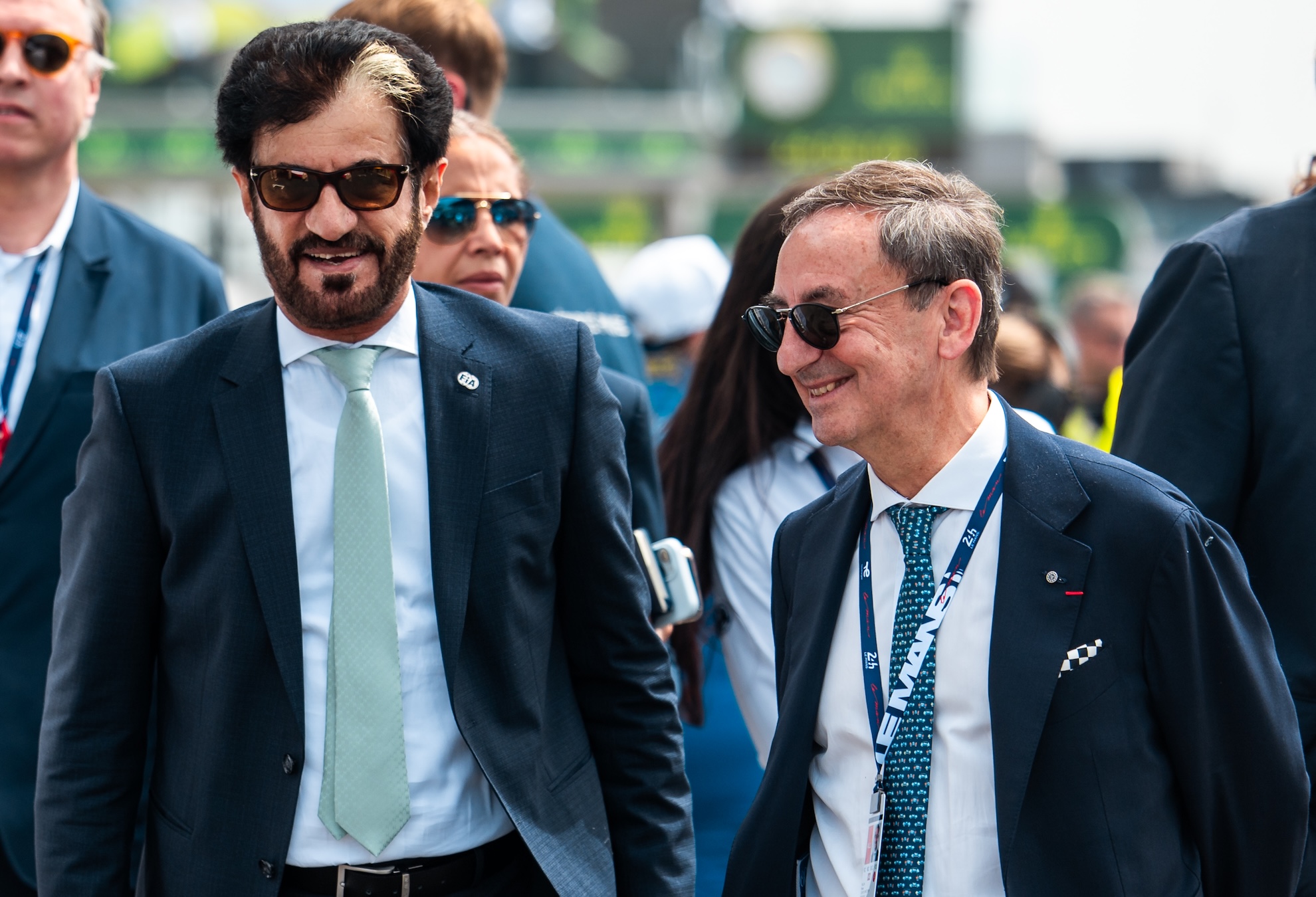
The report is all the more striking given Mohammed Ben Sulayem’s confidence at Le Mans. Asked about the negotiations, the FIA president said at the time that an agreement could be finalised quickly. Three months later, no signature has been announced.
Auto Motor und Sport goes further, reporting significant differences over the terms of the future partnership, particularly regarding governance, financial matters and the respective roles of each party in drawing up the technical regulations. It even raises the possibility of a tender process for the promotion of the WEC.
Contacted following the publication of those reports, both organisations sought to play down concerns. The ACO says the two parties “are currently engaged in discussions regarding the future of the FIA WEC beyond 2027”, that these talks are proceeding “as planned, in a constructive spirit”, that there is “a shared desire to prepare the future of the World Championship”, and that “both organisations remain fully committed to their collaboration and are working together to ensure the continued development and long-term success of the FIA WEC.”
The FIA, for its part, confirms that negotiations over an extension are continuing and, crucially, provides one important clarification: the current agreement with the ACO remains in force until the end of 2027.
That at least removes one immediate concern. In the short term, neither the WEC nor the 24 Hours of Le Mans is under threat as a result of these negotiations.
Is a split really conceivable?
On paper, anything is possible. In practice, the equation is considerably more complex.
A World Endurance Championship without the 24 Hours of Le Mans would lose its centre of gravity. Le Mans is not merely another round of the WEC: it is the race around which manufacturers’ programmes, budgets and much of the championship’s exposure revolve.
The reverse is also true. The World Championship status conferred by the FIA carries considerable value for manufacturers. Recent history has shown that one great race, however prestigious, is no longer enough to justify, over the long term, the level of investment required to develop a top-class prototype.
The 1990s and 2000s provide a reminder. After the World Championship disappeared at the end of 1992 — a year in which only 28 cars started the 24 Hours of Le Mans — Endurance racing rebuilt itself in fragments. The BPR, followed by the FIA GT Championship, kept the flame alive on the GT side. Some manufacturers developed cars whose very existence was almost entirely dictated by Le Mans, such as the Nissan R390 GT1 and Toyota GT-One, an approach that seems almost unimaginable today.
Then came the American Le Mans Series, its European counterpart and, eventually, the Intercontinental Le Mans Cup. It was a gradual rebuilding process that ultimately led to the birth of the FIA WEC in 2012, 20 years after the demise of its predecessor, the World Sportscar Championship.
A return to such a fragmented landscape would be difficult to reconcile with the economics of modern manufacturer programmes.
Does the June announcement change the picture?

There is another paradox. Just three months before questions began to emerge over the future of their partnership, the FIA and ACO were still jointly mapping out the technical future of the discipline.
At Le Mans last June, the broad principles of the 2030 Hypercar regulations were unveiled. From that point onwards, the current coexistence of LMH and LMDh is due to give way to a single technical platform. The foundations of the next regulatory cycle have already been laid.
“The FIA World Endurance Championship continues to go from strength-to-strength,” FIA president Mohammed Ben Sulayem said at the time. “In recent years, we have welcomed new manufacturers to the grid, seen growing interest from fans around the world and maintained a stable, competitive calendar that showcases the very best of endurance racing.”
That work extends beyond the FIA-ACO relationship alone. IMSA is also part of the equation. In other words, just three months before the prospect of a split emerged, the FIA, ACO and IMSA were still working together on the technical architecture intended to govern global endurance racing from 2030 onwards.
Against that backdrop, it is difficult to imagine a split, such would be the knock-on effects.
Should we be worried?
At this stage, it is probably still too early to sound the alarm. The negotiations have admittedly not been concluded as quickly as suggested at Le Mans and, according to our information, several points of disagreement remain, although none appears insurmountable.
Moreover, as the ACO and FIA have made clear, the current agreement remains in force until the end of 2027. The two parties still have time to find common ground and one would expect them to do so before long.
Never since the rebirth of the FIA WEC have so many manufacturers had such a strong interest in the stability of the system. Manufacturers, partners, promoters: the entire Endurance racing ecosystem has been shaken this week. But everyone involved also knows how much they would stand to lose from a split.
The FIA and ACO have been through dark periods before. Inevitably, the current rumors revives an uncomfortable memory: 1992, when the World Sportscar Championship disappeared at the end of a threadbare season, following the damaging consequences of the switch to the costly 3.5-litre regulations.
But Endurance racing was nowhere near as healthy then as it is today. This time, the problem is neither sporting nor industrial: the WEC is in remarkably good health. The question is who will hold the levers of power tomorrow, and on what terms.
And perhaps it is precisely because Endurance racing has never been stronger that the negotiations are taking longer than expected. The FIA WEC of today bears little resemblance to the championship the FIA and ACO launched together in 2012. Its value has changed, and so have the interests surrounding it. Enough to sharpen appetites and call into question some of the balances established over the years.
One reality, however, is difficult to escape: the FIA confers World Championship status on the WEC, while the ACO holds the cornerstone around which the entire structure has been built : the 24 Hours of Le Mans. As they redefine the terms of their partnership, neither side has any interest in seeing that partnership fall apart.