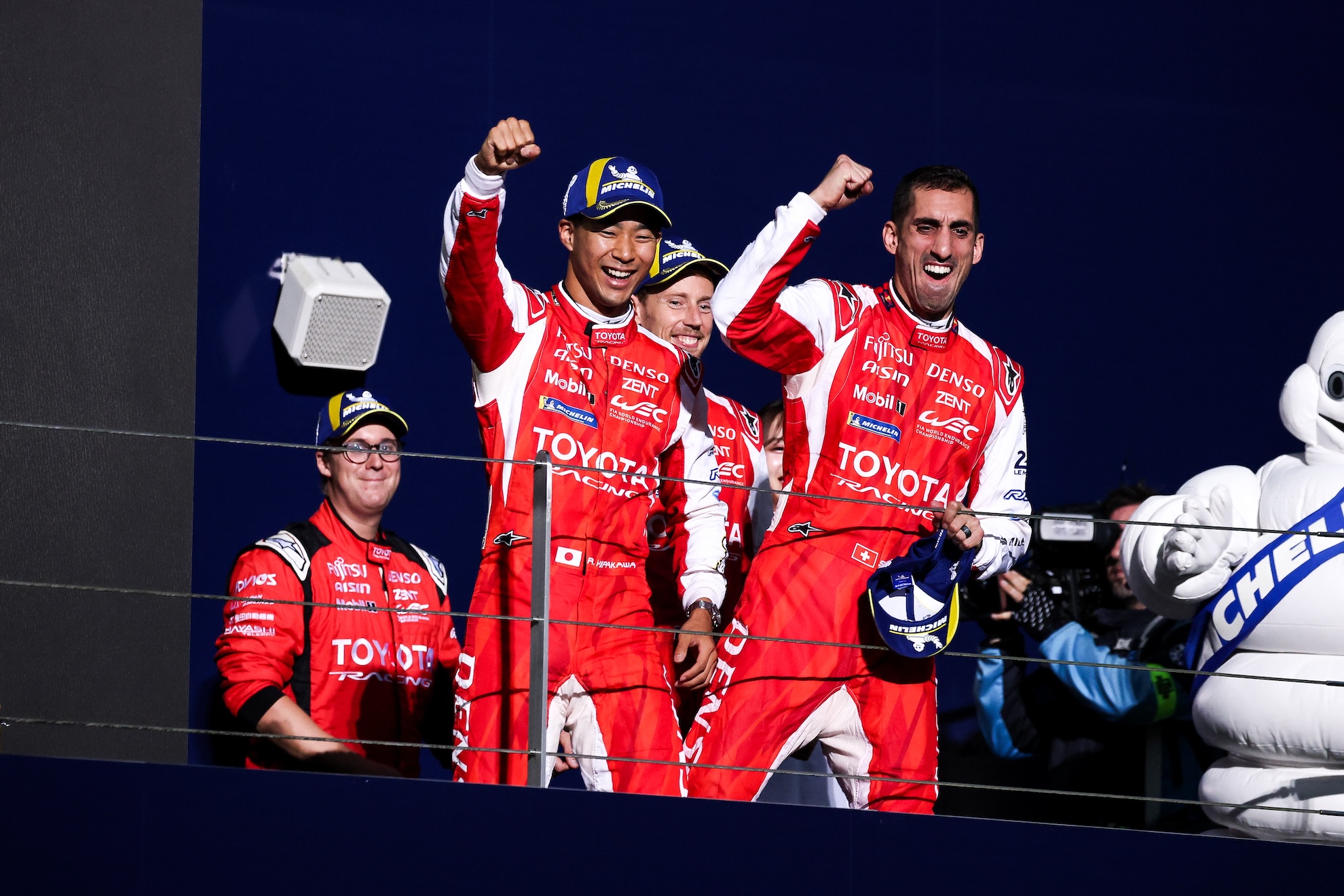
For much of the afternoon, the 2026 6 Hours of Fuji seemed destined for defending winner Alpine. Then came the final Safety Car, a series of strategic gambles and a 21-minute sprint that changed everything.
Toyota eventually prevailed at home ahead of BMW, confirming its status as its toughest rival this year. Some made the most of the opportunities that came their way. Others left Japan wondering how a major result had slipped through their fingers.
Winner – Toyota
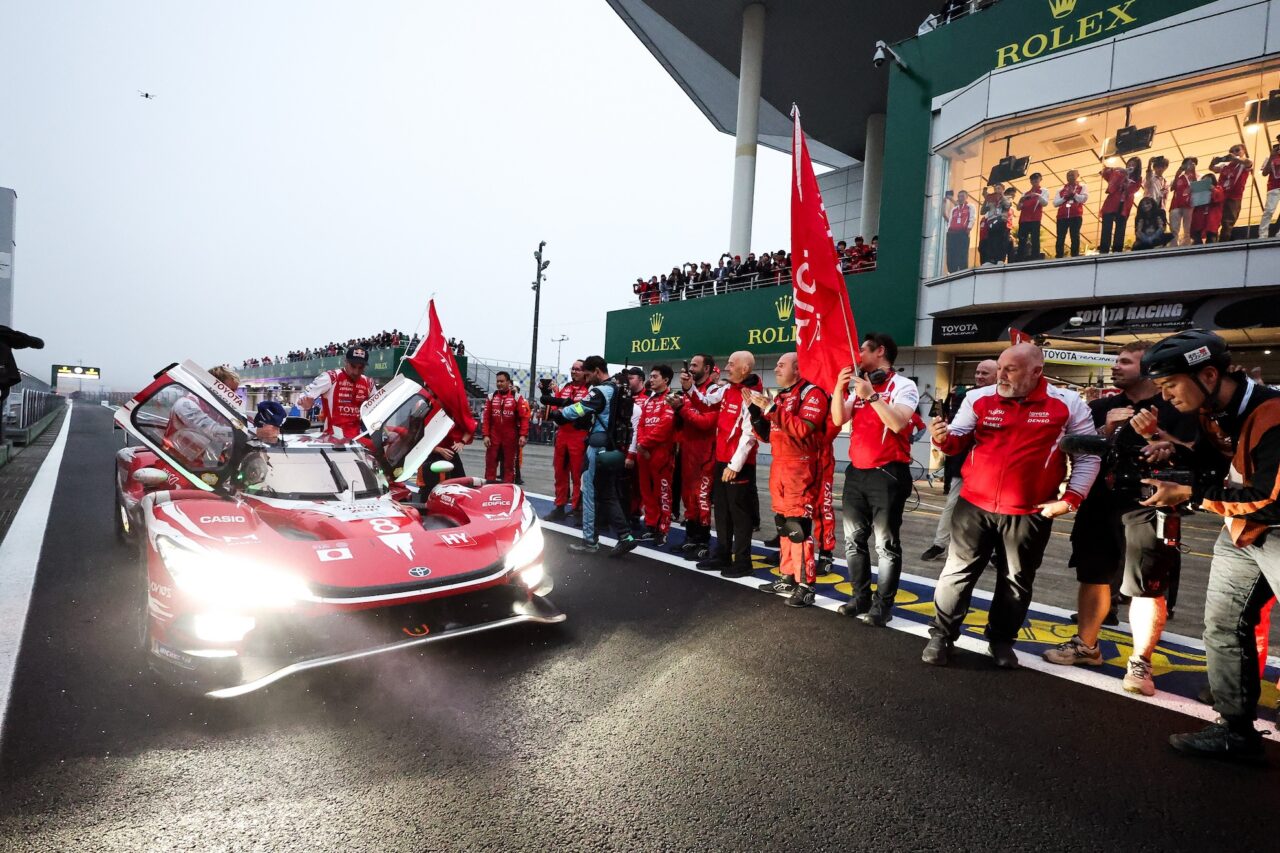
“I would not have bet on that one,” admitted Toyota Racing Technical Director David Floury after the race.
When the Safety Car was deployed for the final time following the heavy crash of the #58 McLaren, the #8 TR010 Hybrid was running sixth, unable to match the pace of the Alpines and Aston Martins. But, as it so often does, the Japanese team saw an opportunity.
As well as keeping the same tyres, the #8 took on less energy than its rivals, with Floury anticipating that this would not be a short interruption.
“We came out with 72-something percent energy, when the others were on 90-something. That made a difference between P6 and P1,” said the French engineer after the race.
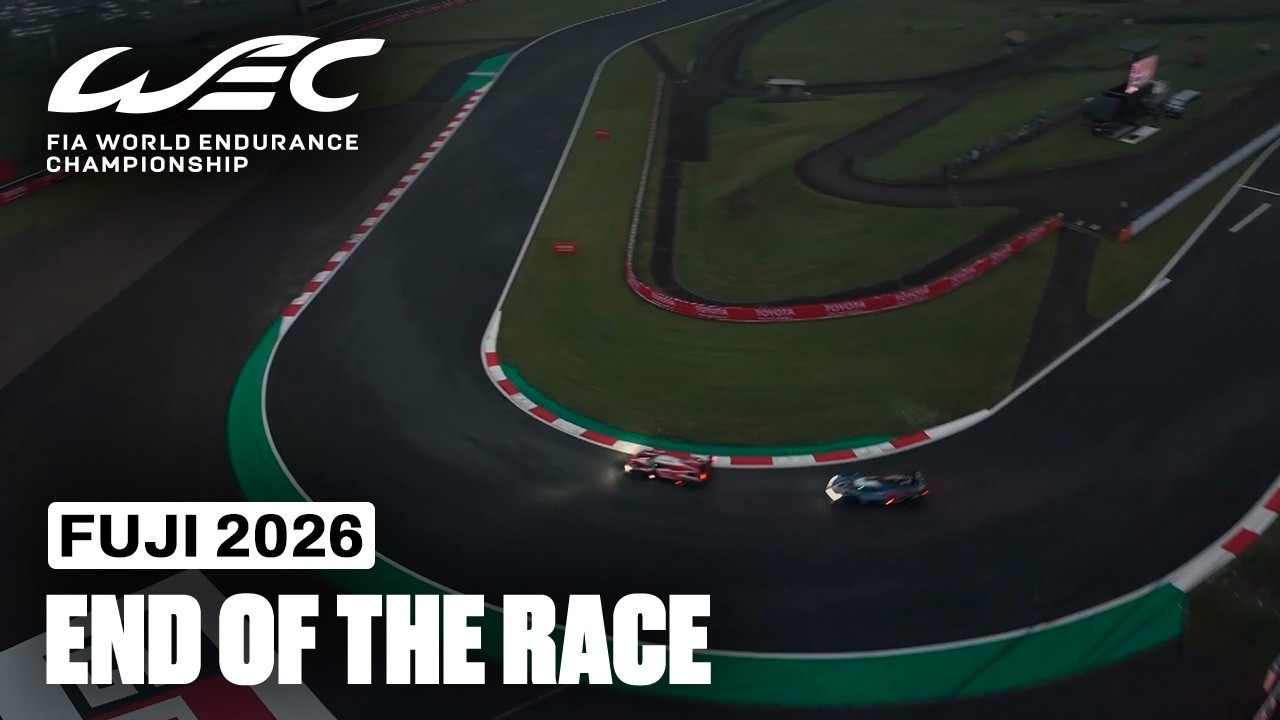
Ryō Hirakawa then brilliantly resisted all the way to the chequered flag to win by just 0.591 seconds from a charging Victor Martins (see below).
It was Toyota’s tenth WEC victory at Fuji and its first since 2023. More importantly, Sébastien Buemi, Brendon Hartley and Hirakawa took the lead in the Drivers’ Championship, while Toyota extended its advantage over BMW to 23 points in the Manufacturers’ standings.
That’s what you call a masterpiece.
Loser – Alpine
After locking out the front row following the cancellation of qualifying, the French LMDh cars controlled much of the opening five hours, leading a combined 166 of the 203 laps.
Then came the final Safety Car. And with it, a difficult decision.
“They were behind the Safety Car in the wrong order, the #36 ahead of the #35, which was the opposite of their positions in the pit lane,” Alpine Endurance Team Sporting Director Nicolas Lapierre told us. “We asked ourselves whether we should sacrifice the #35, which would probably have allowed us to win with the #36.”
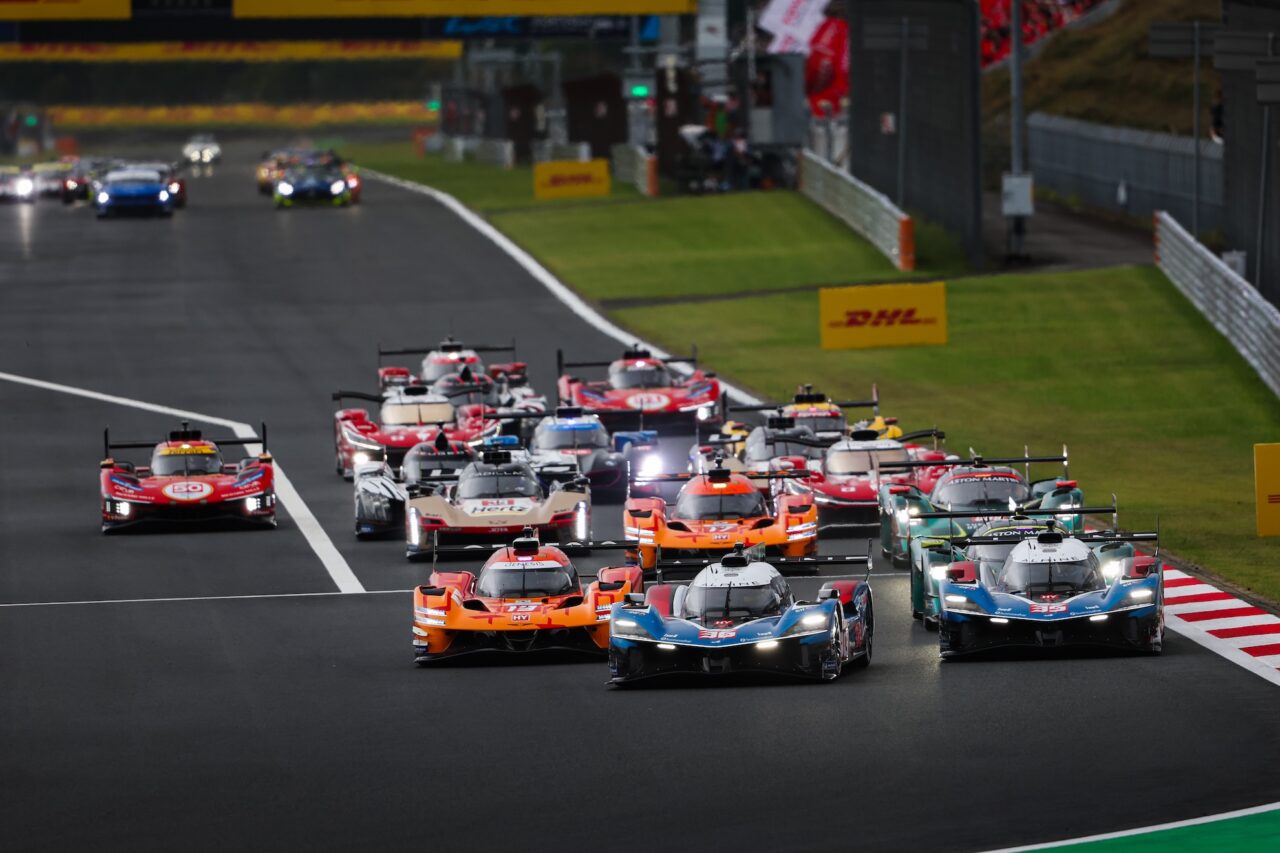
“But the #35 would have finished outside the points, so the overall points haul would have been lower. As a result, we obviously lost time doing a ‘nose-in’. With the #36 blocked, we also decided to change two tyres.”
Martins emerged fifth, fought his way back to second and eventually finished just 0.591 seconds behind Hirakawa. The #35 came home fourth.
With 30 points, Alpine recorded its biggest haul since the programme began and drew level with Cadillac in the Manufacturers’ Championship. But after dominating to such an extent, the result inevitably left a bitter taste.
Winner – BMW
“We didn’t have the pace to finish on the podium, but we still did.” Kevin Magnussen could hardly have summed up the #15 BMW’s race any better.
The cancellation of qualifying left BMW paying the price for focusing on long runs in practice and, unlike many of its rivals, not completing a qualifying simulation. The #15 therefore started only 14th — three places ahead of the #20 — far from ideal in such a tightly packed field.
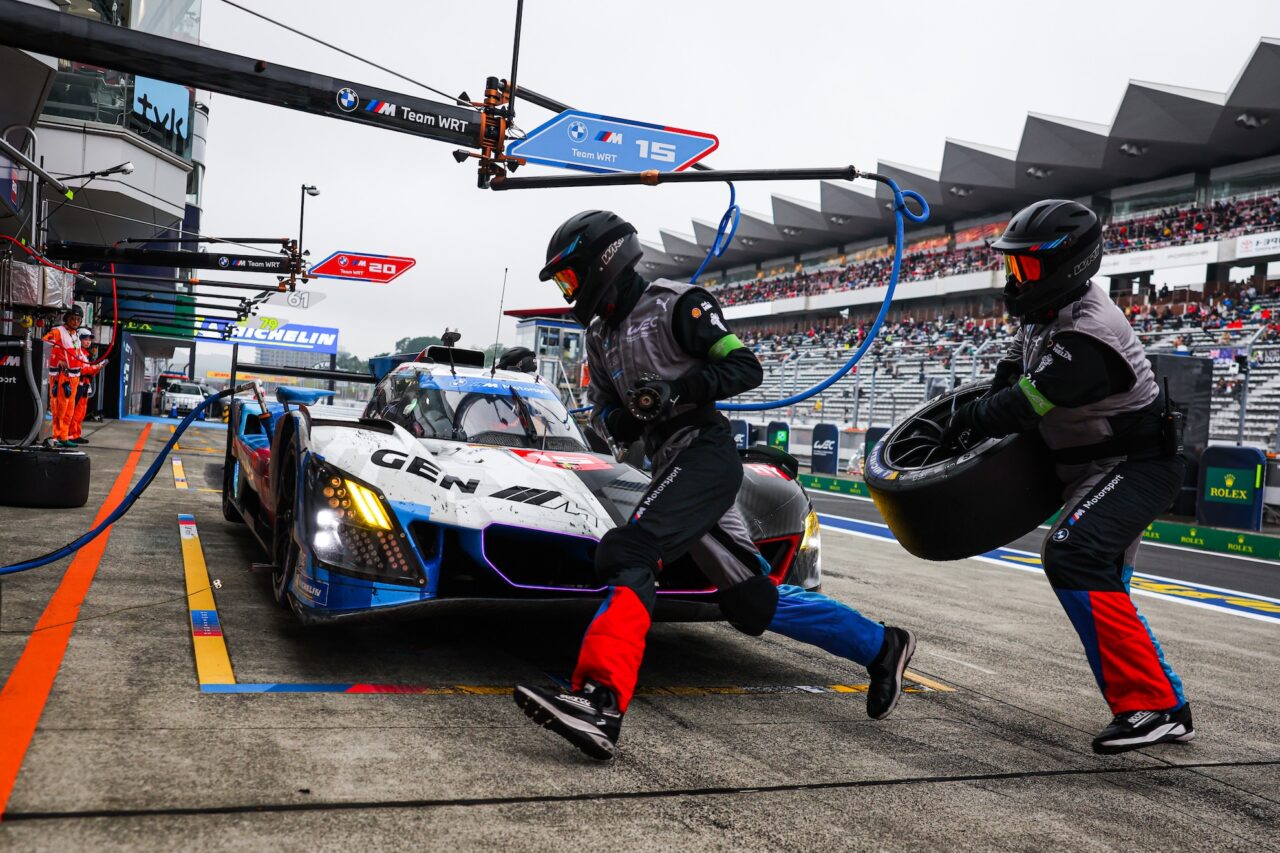
But the M Hybrid V8 proved particularly strong in terms of energy management, at times able to extend its stints by two or three laps. Then, when the final Safety Car presented another opportunity, BMW took its chance.
Like the #8 Toyota, it kept its tyres and prioritised track position. Dries Vanthoor restarted second and, although Martins eventually found a way past, third place was still quite a reward.
The #20 had a very different race. It finished 13th after several incidents, with René Rast and Robin Frijns also losing the lead in the Drivers’ Championship.
Loser – Aston Martin
Both Valkyries ran at the sharp end, with the #007 even leading for 11 laps during the fourth hour after Tom Gamble emerged from the pits ahead of the two Alpines.
But Gamble then crossed the white line at pit entry and received a drive-through penalty. His chances of fighting for victory were gone.
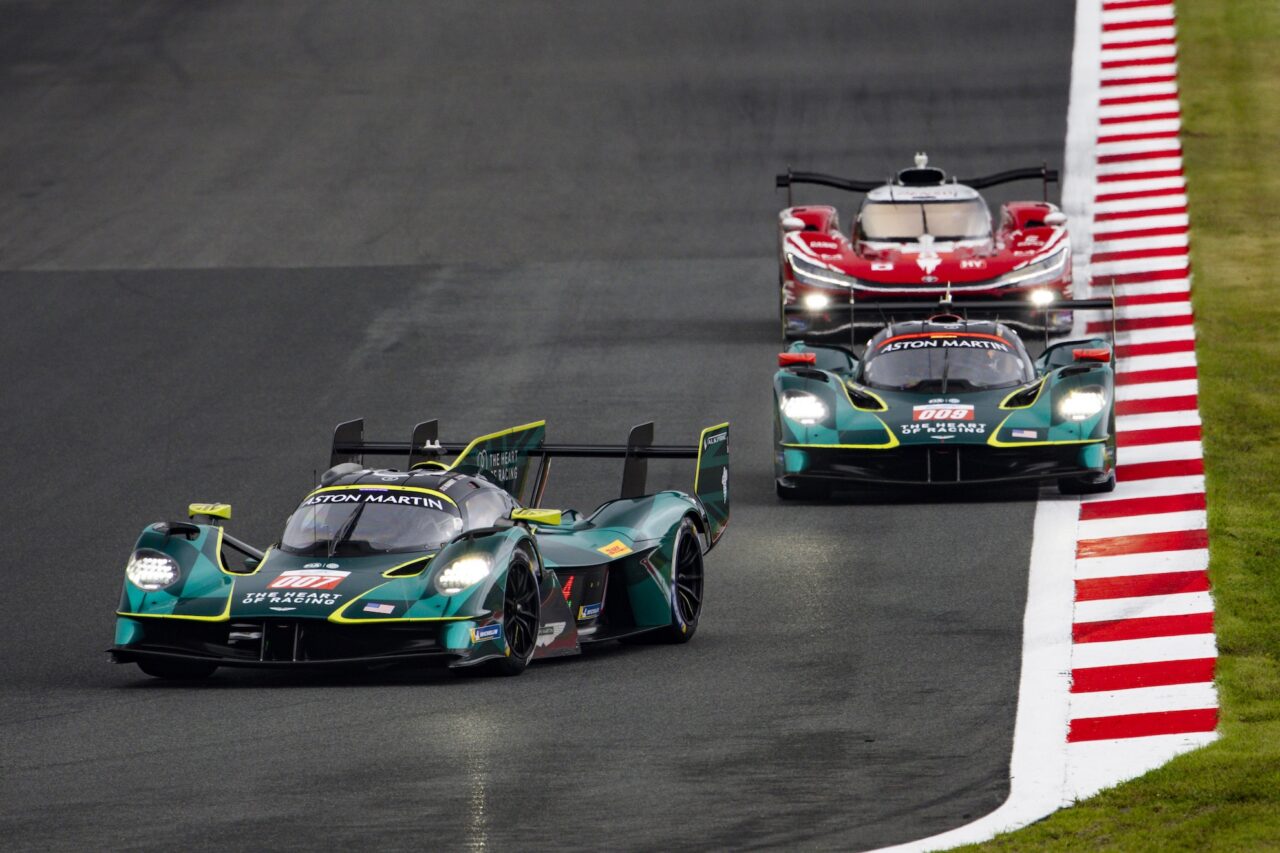
“I made a small mistake which had very big consequences, and I’m sorry to the team,” he admitted. “We had an incredible car, probably the fastest car we’ve had in the whole programme, and there was the potential for a great result.”
The #009 remained in podium contention, before the final Safety Car and a less-than-perfect last stop undid much of the good work. Marco Sørensen was then involved in contact with the #51 Ferrari during the closing sprint.
“It was a sure podium for us. If that Safety Car didn’t come out and we didn’t have a little mistake in the last stop, then we would have ended on the podium,” said Sørensen. “Both cars had the pace to be up there and actually fight for the win.”
The #009 eventually finished ninth and the #007 14th. The performance was there, but Aston Martin will have to wait a little longer for that podium.
Winner – Team WRT
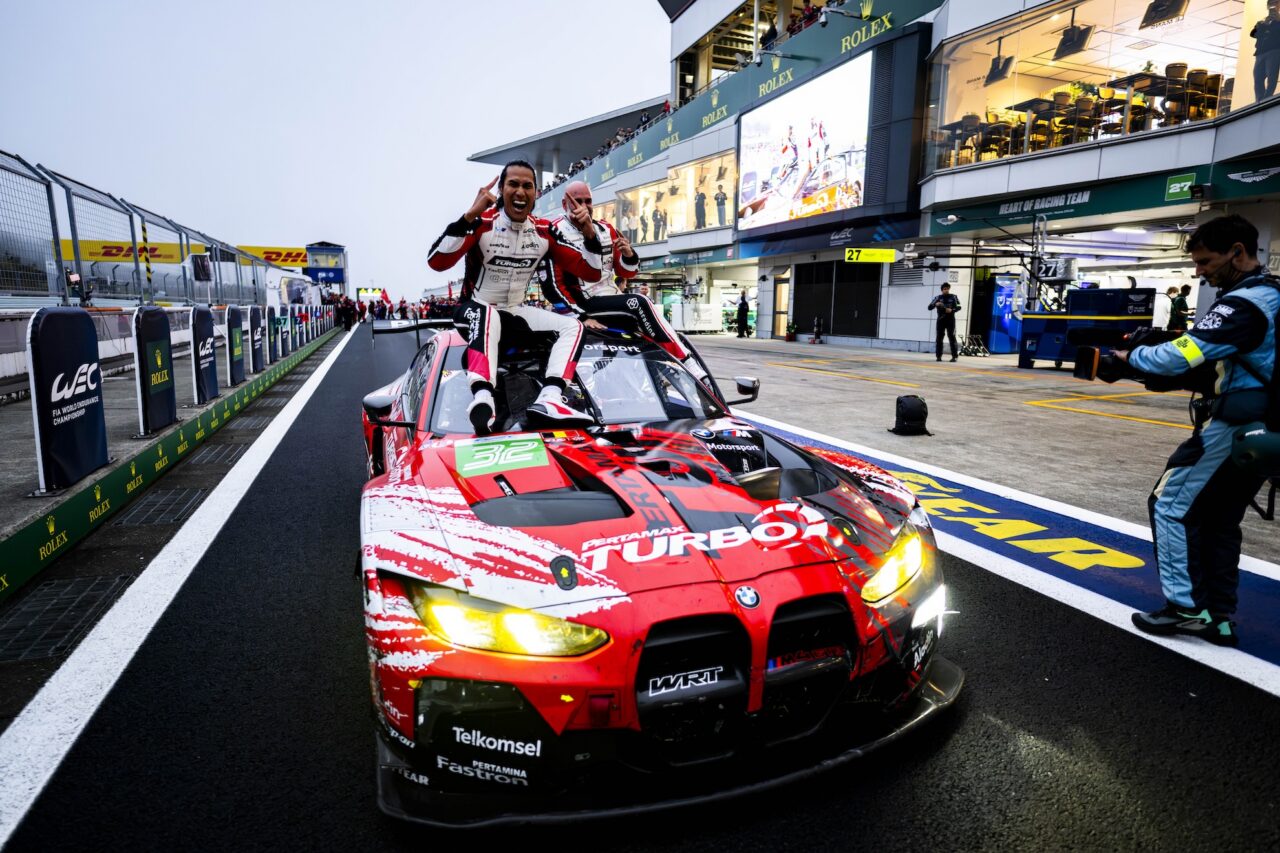
Darren Leung and Sean Gelael had already brought the #32 BMW M4 GT3 EVO into contention after starting 14th, but a difficult final stop dropped Augusto Farfus to sixth before the restart. He didn’t stay there for long.
“We had a flying stint from Augusto, who drove from P6 to the lead. That was an incredible drive,” said WRT Team Principal Vincent Vosse.
For a crew that had finished inside the top five only once this season, the relief was considerable.
“It has been a really difficult year for us so it is very satisfying and a relief to get this result,” admitted Leung.
Fifth at Fuji, TF Sport and the Catsburg-Edgar pairing retain the championship lead, respectively 24 and 28 points clear of Heart of Racing (#27) and Racing Team Turkey by TF.
Loser – Genesis
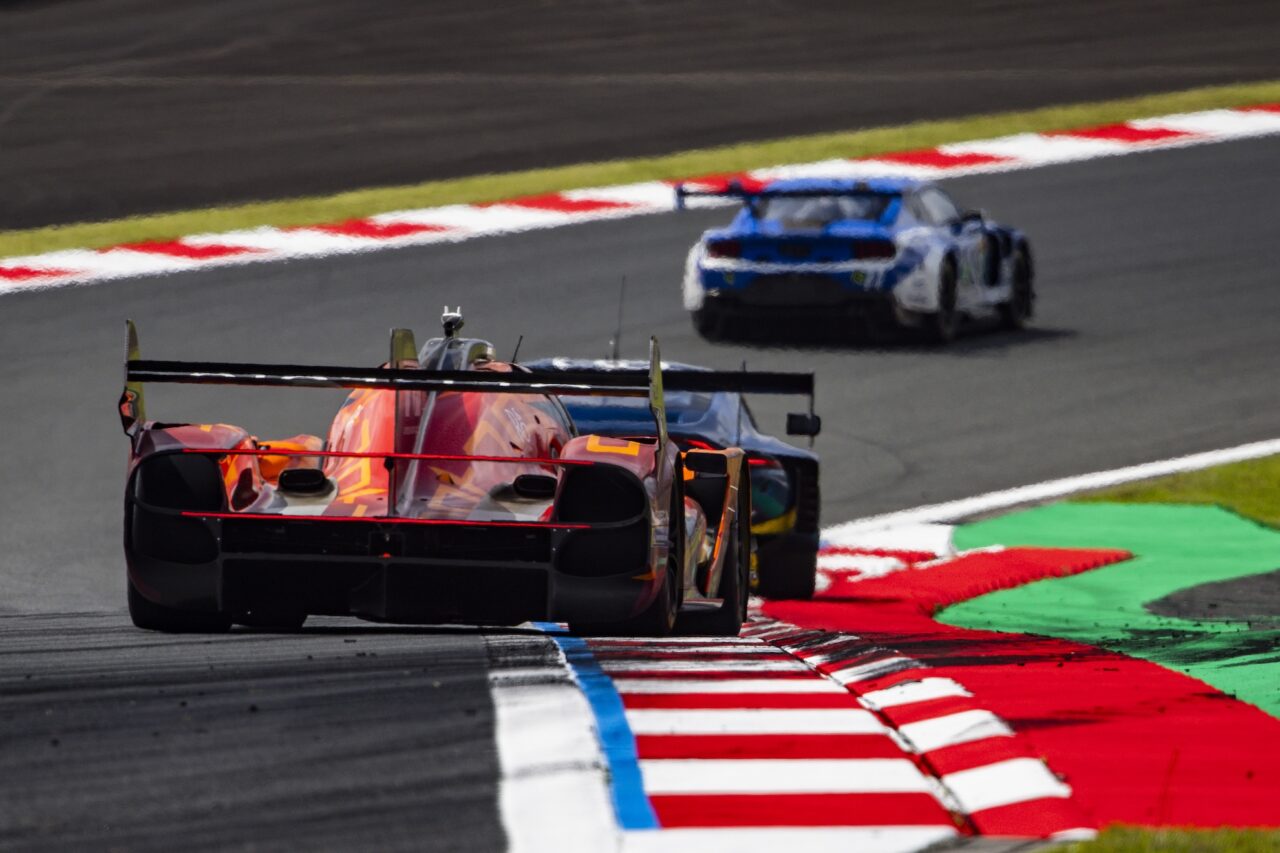
With an hour remaining, the #19 GMR-001 was still running fifth and appeared on course for its best result of the season. Instead, Genesis left Japan without a single point.
A difficult final stop first cost the #19 several positions before the Korean LMDh was handed a drive-through penalty for an infringement committed more than two hours earlier. The penalty dropped it to 11th. Team Principal Cyril Abiteboul did not dispute the offence, but was frustrated by how long it took for the decision to be made.
On the #17, Genesis failed to manage tyre pressures correctly as temperatures dropped, resulting in another drive-through and a 15th-place finish.
There were positives. The #19 showed it could fight at the sharp end, while Genesis completed a third consecutive weekend without a reliability issue.
Winner – FIA WEC
Hirakawa eventually beat Martins by 0.591 seconds, the smallest winning margin between two different manufacturers in the history of the WEC’s top class. It erased the previous record from the books: 1.439 seconds in 2016, also at Fuji.
LMGT3 was hardly more predictable. McLaren, Porsche, Corvette and BMW all spent time at or around the front before Farfus charged from sixth to first in the closing laps.
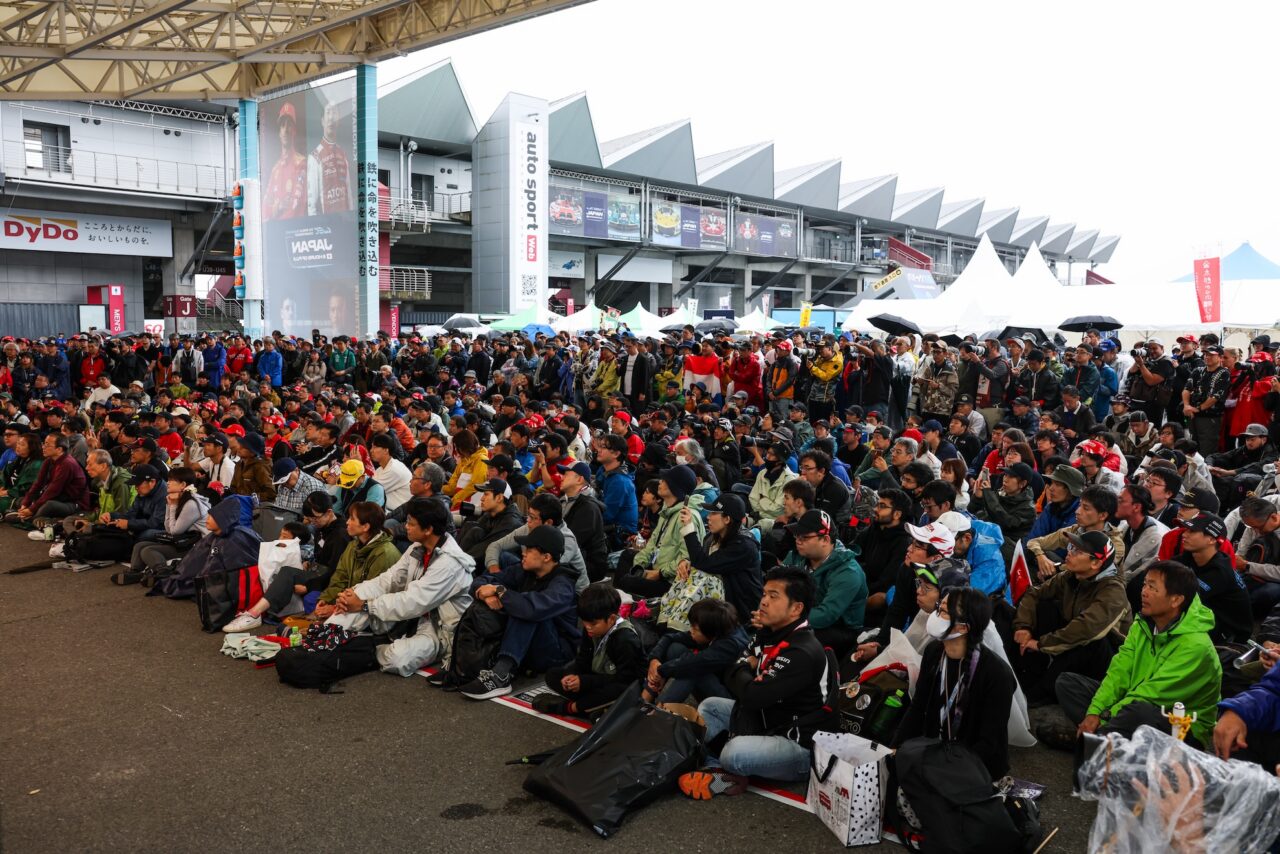
And there were plenty of people there to see it: 72,326 spectators attended Fuji Speedway over the weekend. Judging by the number of Toyota flags flying in the grandstands, it’s probably safe to say most of them went home smiling.
Whatever one thinks of how such a level of competition has been achieved, it was difficult to fault the show at Fuji Speedway on Sunday.
Loser – Ferrari
Three weeks after winning at COTA, Ferrari arrived at Fuji with essentially one mission: limit the damage. In the end, the damage was considerable.
As has been the case since 2023, the 499P never looked truly comfortable at Fuji. The Italian Hypercar particularly struggled in the final sector, where it gave away more than three tenths to the benchmark.
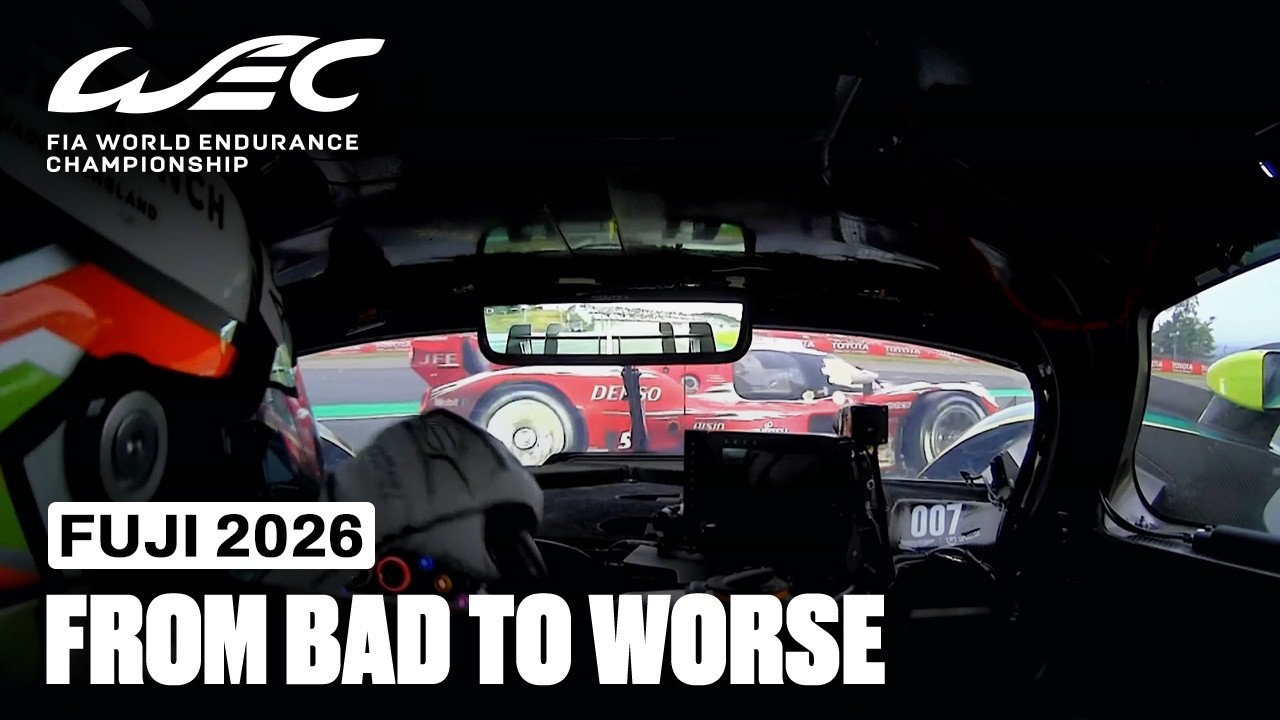
The #50 nevertheless appeared capable of salvaging a respectable result. A problem with the air-jack system during a pit stop first cost it ground before another technical issue eventually forced it to retire.
“That one is the biggest point to highlight of our weekend and our biggest disappointment,” explained Giuliano Salvi, Ferrari’s Head of Track Operations and Chief Race Engineer. “It’s something that shouldn’t happen.”
There was little consolation to be found elsewhere. The #51 could manage only tenth after receiving a post-race penalty, while the #83 finished 12th.
Ferrari therefore leaves Fuji still third in the Manufacturers’ Championship, but now 54 points behind Toyota with only Barcelona and Monza remaining.
Winner – Victor Martins
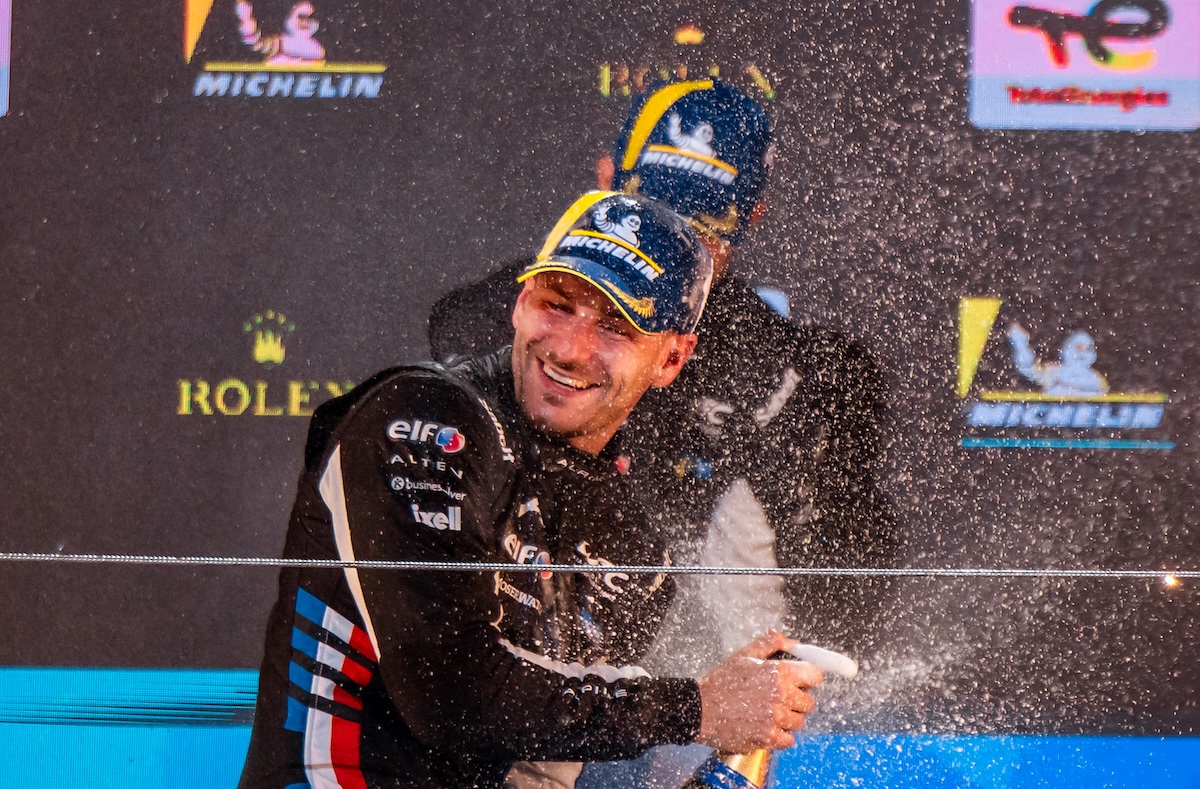
Fastest lap and 130 laps completed on his first appearance at Fuji Speedway. Victor Martins could hardly have done much more.
In his first season in endurance racing, the Frenchman continues to show that it hasn’t taken him long to understand how the discipline works.
When the Safety Car pulled in, Martins was running fifth. He quickly dispatched Marco Sørensen’s Aston Martin, the #35 A424 moved aside, and he then found a way past Dries Vanthoor’s BMW. Only Ryō Hirakawa remained between him and victory.
On fresher tyres, Martins rapidly closed on the Toyota. But he ultimately fell just 0.591 seconds short at the chequered flag. Unsurprisingly, his performance drew plenty of praise after the race.
His future is inevitably tied to that of the A424 programme. Should the proposed takeover of the project by Geely ultimately fail to materialise, Martins has done more than enough this season to give other manufacturers good reason to take a very close look at him.