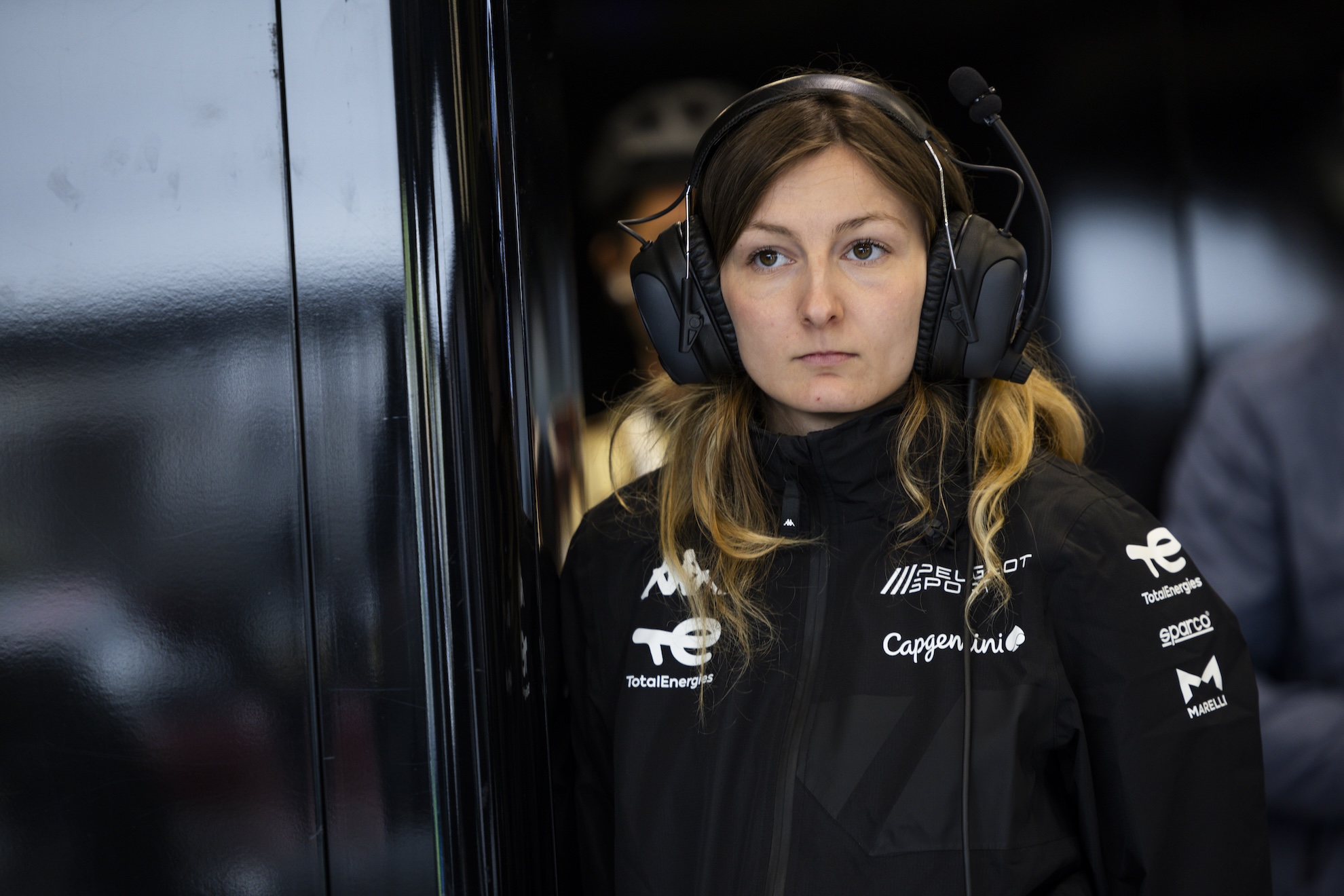
Initially, Doriane Pin was due to get behind the wheel of the Peugeot 9X8 during the WEC Rookie Test at the Bahrain International Circuit, held in the wake of the 8 Hours of Bahrain. At least, that was the plan when she signed her contract as a development driver. But the cancellation of the event forced Peugeot Sport to rethink its plans.
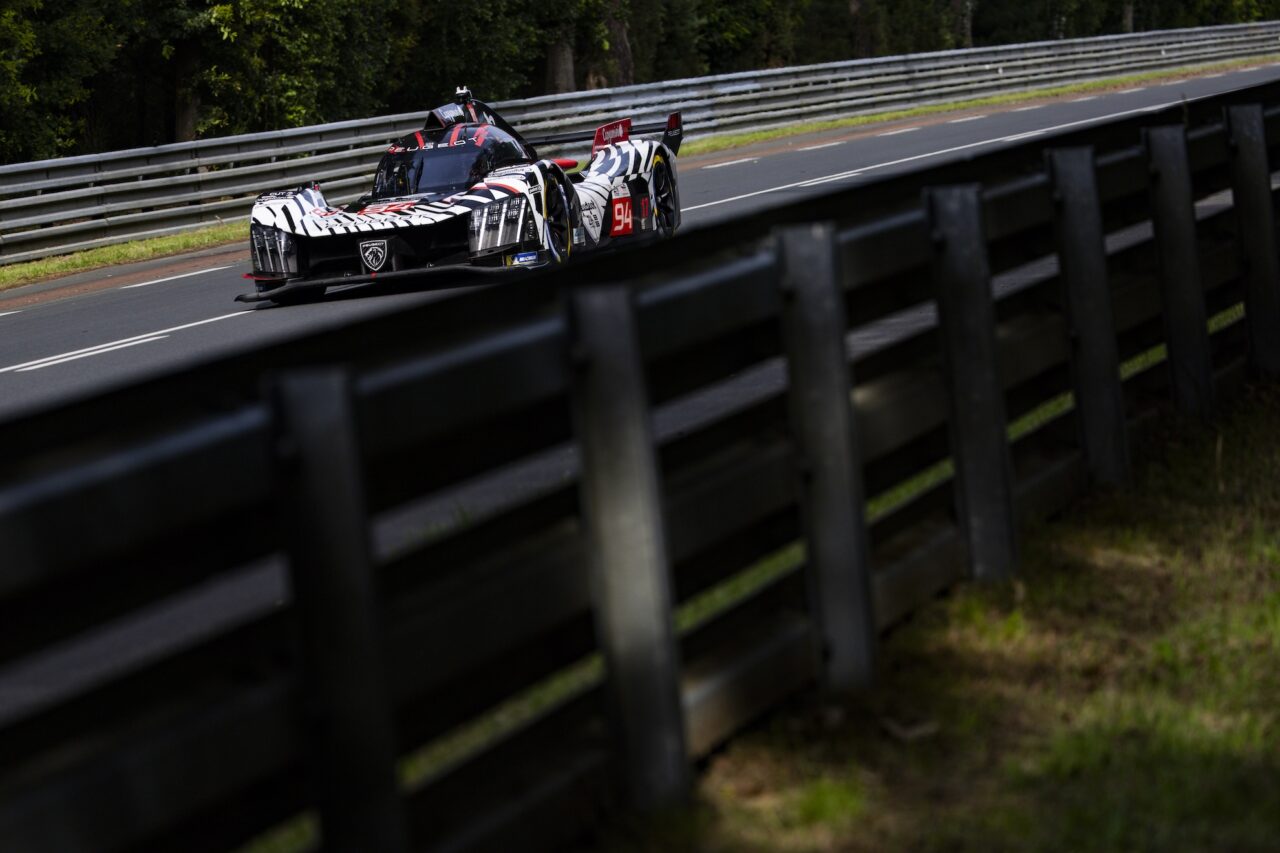
A new date was eventually set for December 2 at Paul Ricard, as part of a private test conducted by the French manufacturer. It will be Pin’s first time in a Hypercar, and more importantly her first opportunity to find her bearings in a car whose demands have little in common with those of an LMP2.
Peugeot will put her in the 2026-specification 9X8, with the team keen to preserve as much mileage as possible on the 2027 car for its race drivers. But this test is no reward. Peugeot intends to use it to gain a much clearer picture of Pin’s level before deciding whether to extend her contract — or even promote her to a reserve driver role.
What has Doriane Pin shown in 2026?
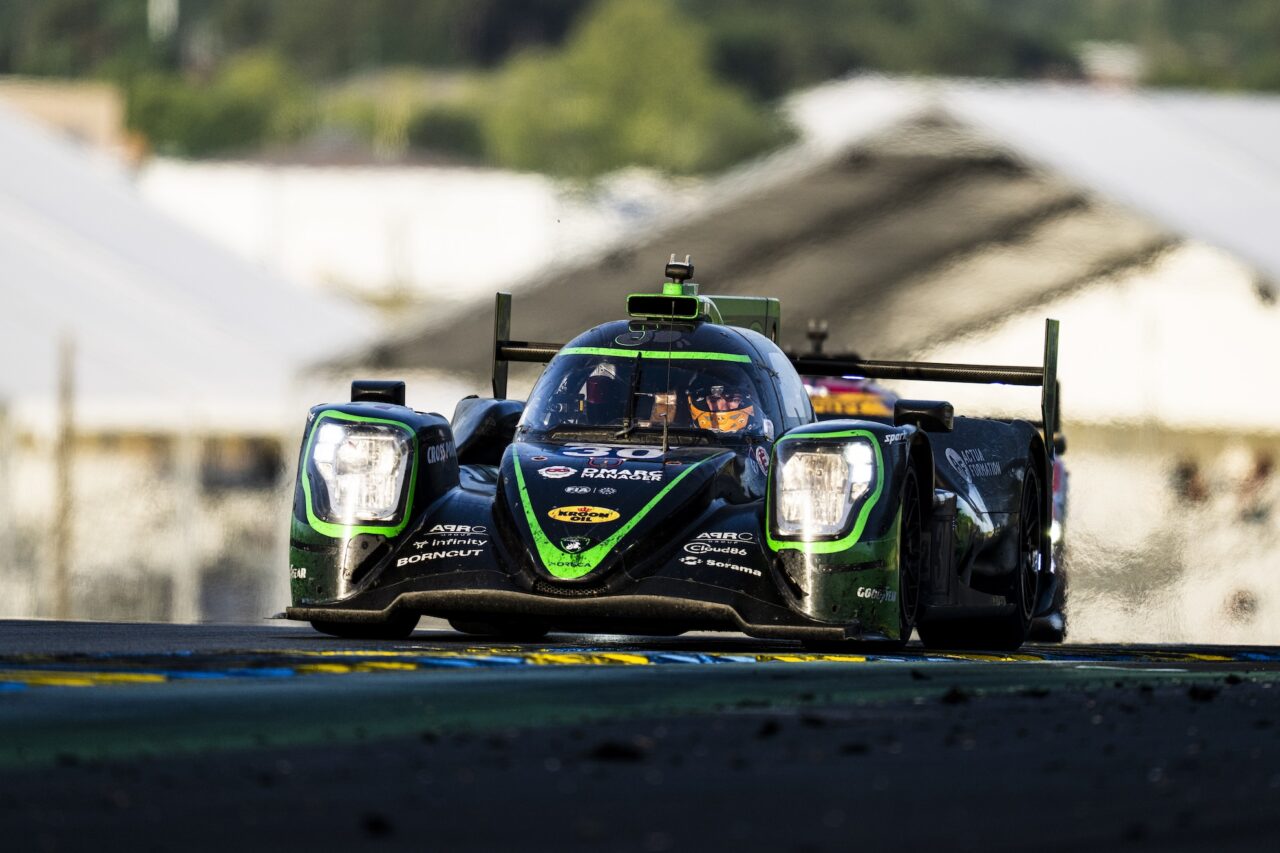
Fresh from winning the F1 Academy title and with no opportunity to continue in single-seaters, Doriane Pin returned to LMP2, a category she had first experienced in 2023 at the wheel of a Prema Racing Oreca 07.
Her LMP2 campaign already offers a few clues. Racing for Duqueine Team in ELMS, the 22-year-old Frenchwoman has confirmed that she can be quick in a prototype.
At Le Mans, she set the fastest time in LMP2 qualifying. It was an impressive performance, although one that needs to be put into context: the session was restricted to Bronze and Silver drivers and represented only the first step towards Hyperpole. Her lap time alone therefore offers no direct comparison with the leading professional drivers in the field.
The race offered a more meaningful reference. Duqueine Team’s #30 Oreca 07 was leading LMP2 with three hours remaining before brake problems forced it into retirement. On a personal level, Pin delivered and proved quicker than the other Silver-rated drivers in the category. But the Frenchwoman is aiming higher. Based on the average of her fastest 10% of race laps, she was still 1.287 seconds slower than Julien Andlauer.
Race conditions obviously make any absolute comparison impossible. Even so, that gap is not insignificant. On paper, for now at least, it suggests there is still another step for her to take. The Paul Ricard test should provide a much clearer indication of where she really stands.
Weight, a factor LMP2 does not account for
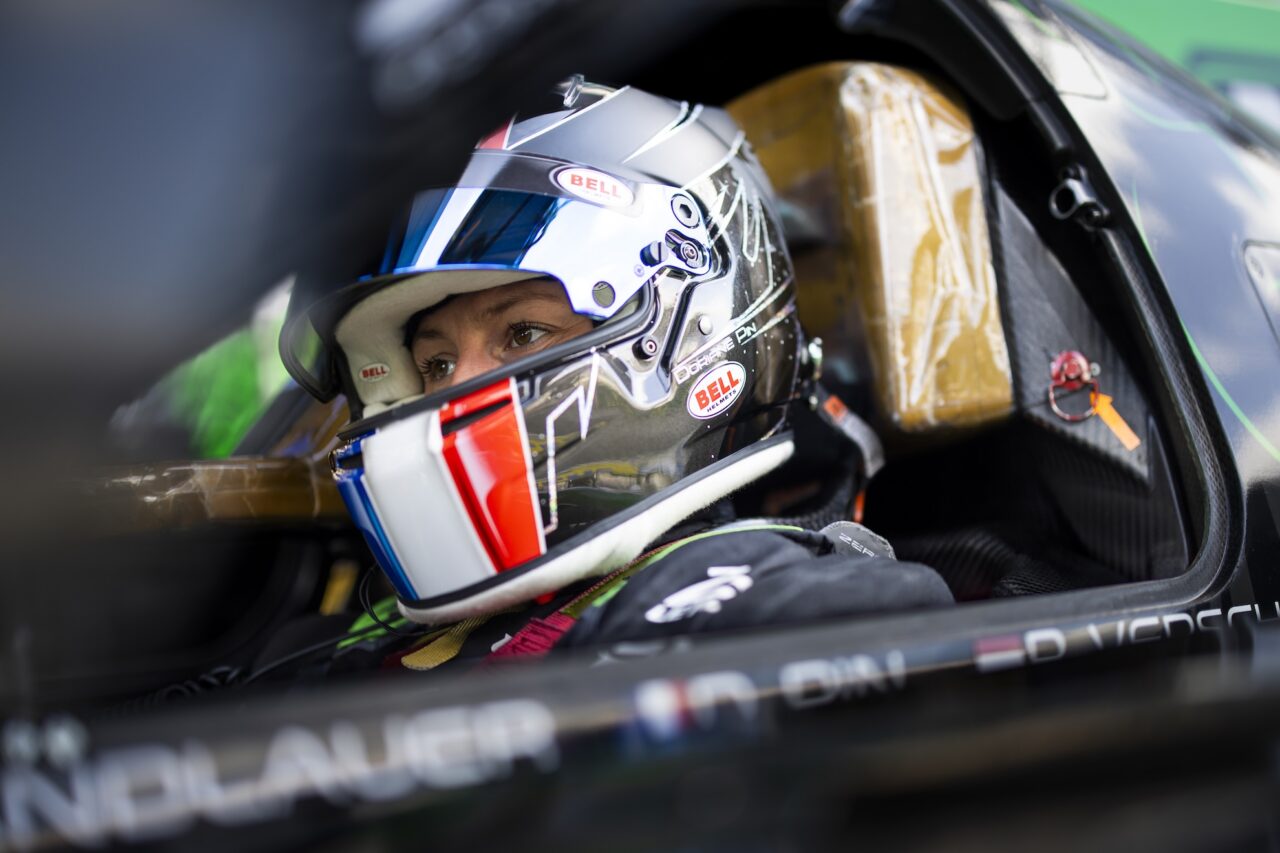
This is probably one of the most interesting aspects of the test at Le Castellet. Peugeot does not simply want to put Doriane Pin in the 9X8 and look at the lap times. The team intends to run her in conditions that replicate those imposed in Hypercar.
In Hypercar, the WEC uses an 82kg reference based on the average weight of the drivers in a crew. When that average is below, the difference is added to the car’s minimum weight. When it is above the reference, the minimum weight can be reduced, up to a limit of five kilograms.
Why does that matter? Quite simply because no such ballast is applied in LMP2, meaning Pin inevitably benefits from being particularly light.
Her low body weight therefore does not provide the same advantage in Hypercar that one might expect. While LMP2 does not compensate for crew weight in the same way, Hypercar largely neutralises that effect. That is precisely the variable Peugeot wants to remove from the equation before making its decision.
A test that is really an evaluation
“We will run with Dorian in a proper test on December 2nd at Paul Ricard and we want to do it in real conditions in terms of ballast and weight rules, basically, just to assess properly her performance,” Peugeot Sport team principal Emmanuel Esnault explained. “So that’s what we plan to do.”
Peugeot is not preparing Doriane Pin for a full-time race seat in 2027. The newcomers are already known internally, and she is not among them. But the French manufacturer has not ruled out promoting her from development driver to reserve driver. Before doing so, Peugeot wants to know exactly where she stands.
“The idea is to make a proper assessment as we would do for a driver who expects to race with us,” Esnault continued.
The immediate objective is clear: to establish whether Pin could become a credible option should one of Peugeot’s regular drivers become unavailable. In other words, whether she can move from development driver to a genuinely race-ready reserve — someone Peugeot could call upon, put in the car and enter in a race without turning the weekend itself into a learning exercise.
“Once we have a clear picture of the level of performance at the wheel of our car, we will make the decision. We will adjust the scenario,” Esnault said.
December 2, then, is unlikely to tell us whether Doriane Pin will one day become a full-time Hypercar driver. But it should tell us whether Peugeot believes it could entrust her with a 9X8 on a race weekend. For Pin, it will be much more than a first taste of the French LMH.
Women at Le Mans
Since the first female entries at the 24 Hours of Le Mans in 1930, women have carved out a distinctive place in the history of the race. The benchmark remains Odette Siko, who finished fourth in 1932 — still the best result ever achieved by a woman at Le Mans. Annie-Charlotte Verney, meanwhile, holds the record for the most starts by a female driver, with 10 appearances and a best finish of sixth in 1981.
All-female crews are also part of that history. As early as 1930, Odette Siko and Marguerite Mareuse finished seventh. Several generations followed before the Iron Dames revived that tradition on a sustained basis in recent years. Rahel Frey and Michelle Gatting, in particular, completed six consecutive editions as part of all-female crews, reaching the finish every time.
In 2026, Doriane Pin in LMP2 and Lilou Wadoux in LMGT3 added another chapter to that story, while Sarah Bovy became the first woman to serve as Grand Marshal of the 24 Hours of Le Mans.
Pin was not far from adding a far more significant line to that record herself. But mechanical trouble decided otherwise. You have to go back to 1975 and the Moynet LM75 of Michèle Mouton, Marianne Hoepfner and Christine Dacremont, which won the 2-Litre Prototype class, to find the last class victory by an all-female crew at Le Mans.