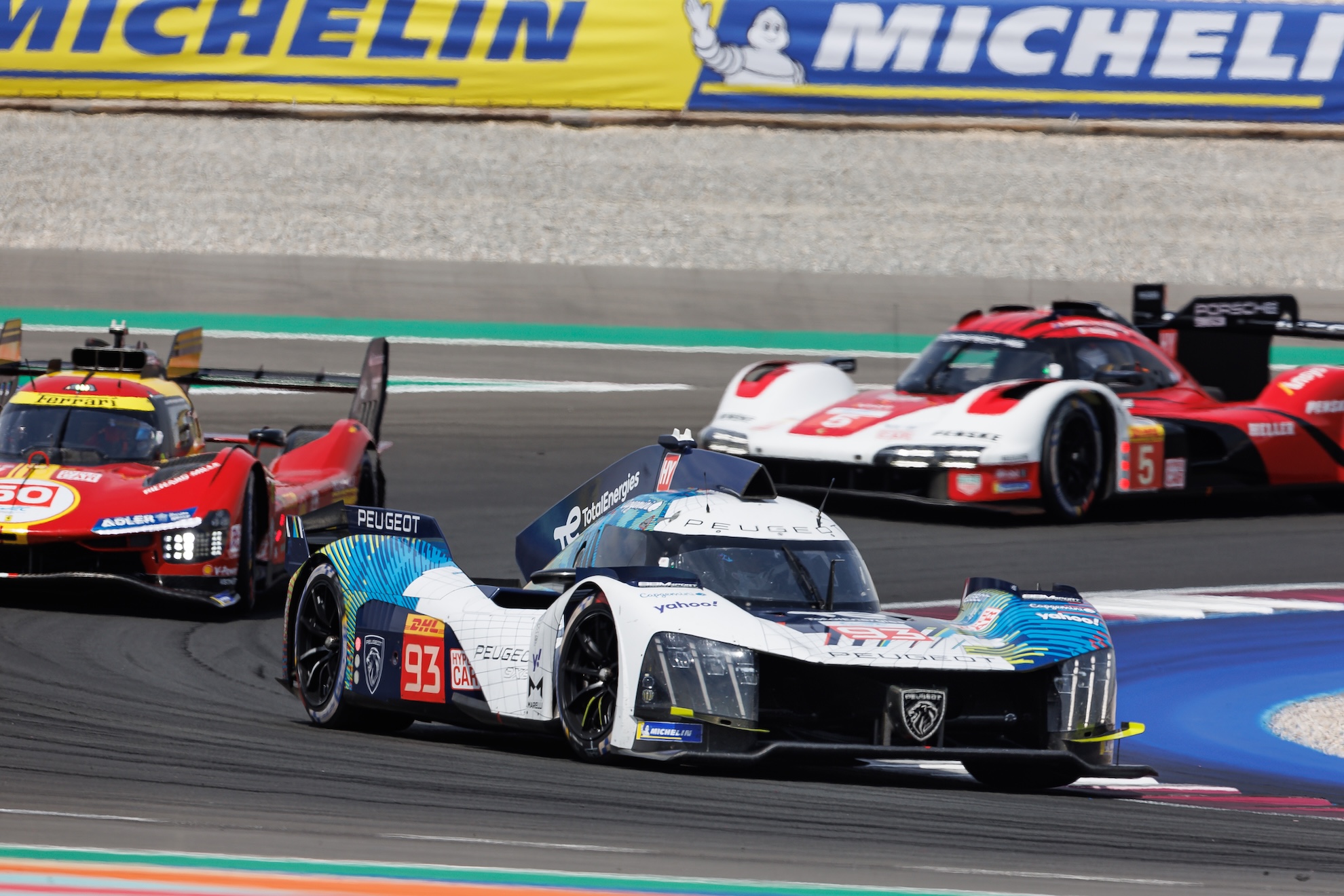
Adding Hypercars to the Asian Le Mans Series was never simply about opening the door to a new category. It also meant finding the right balance between manufacturer interest, private-team participation and the sporting identity that has defined the championship for years.
Rather than reinventing the rulebook, the organisers have opted for a formula they already know works.
How will Hypercar work in Asian Le Mans?
Perhaps the most significant aspect of the regulations is that the Hypercar class will be reserved exclusively for private entrants, with direct manufacturer factory programmes not permitted.
The regulations will also allow Bronze-rated drivers to compete in Hypercar, provided they first complete dedicated training before being cleared to race.
This is one of the biggest differences compared with the World Endurance Championship, where Bronze-rated drivers are not eligible to compete in Hypercar and there is currently no indication that policy will change.
That approach reflects the championship’s ambition to make the category accessible to customer teams while maintaining the highest safety standards.
The Hypercar champion will also not receive an automatic invitation to the 24 Hours of Le Mans, which is only logical given the aforementioned regulations.
Why adopt the LMP2 Pro/Am model?
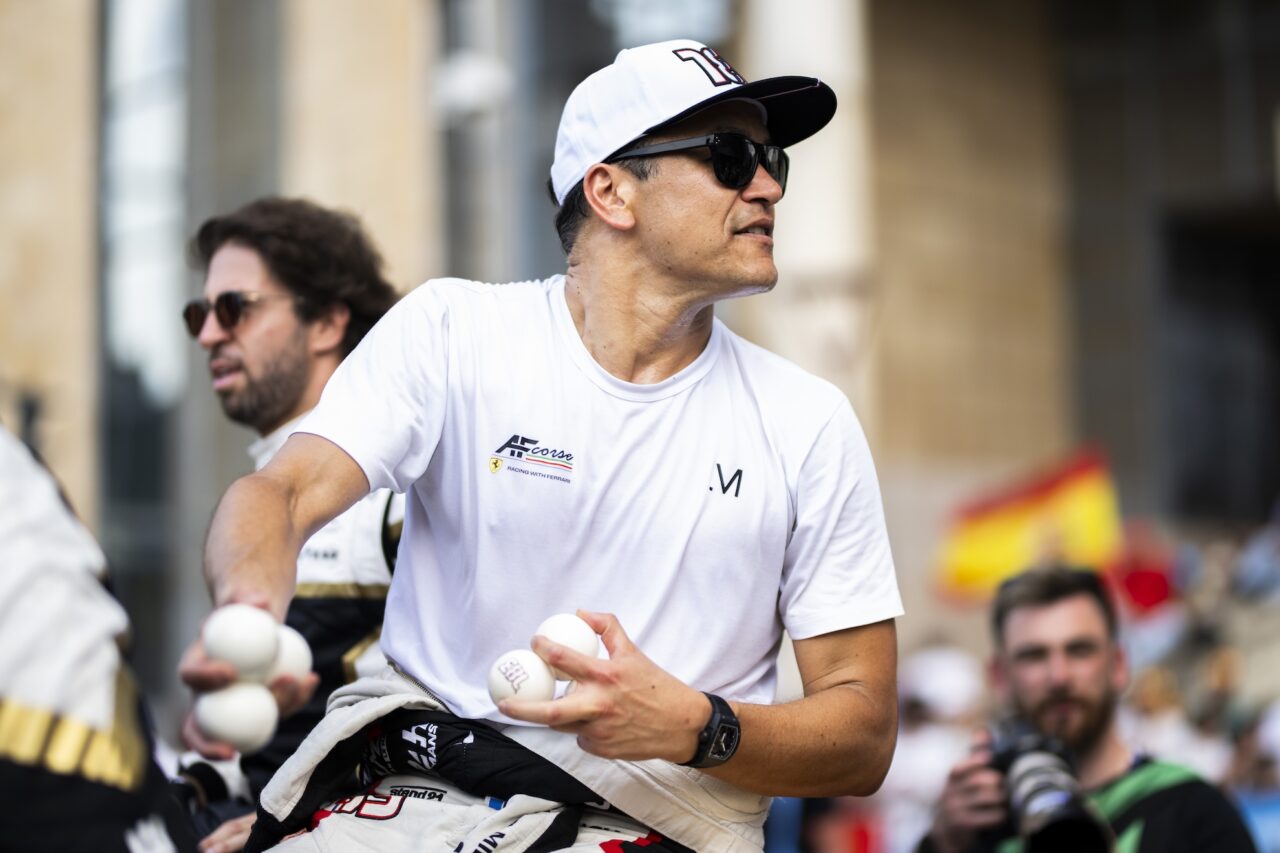
For the Hypercar class, the Asian Le Mans Series will apply the same driver line-up regulations currently used in LMP2 Pro/Am.
Every entry must include exactly one Bronze-rated driver, while teams may field no more than one Platinum-rated driver.
The thinking behind the rule is simple. The championship wants to avoid grids made up entirely of factory-calibre professional line-ups, ensuring that independent teams remain at the heart of the competition.
It is a structure that has already demonstrated its value in LMP2 Pro/Am, where sporting balance and strategic driver selection have become key ingredients of close competition.
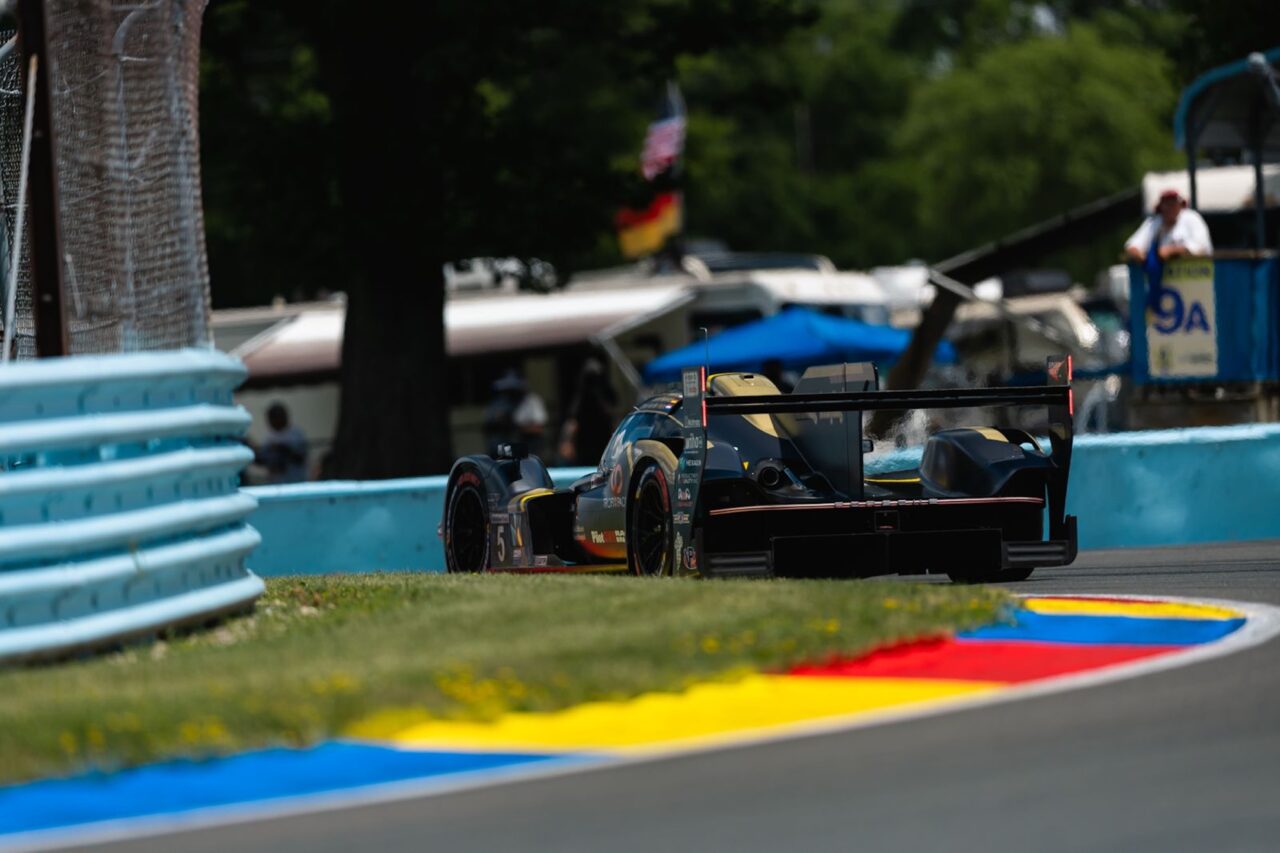
The rationale is easy to understand. After all, JDC-Miller MotorSports remains the last independent Hypercar/GTP team competing across the WEC and IMSA.
Who could be on the grid?
Ferrari, Porsche and Peugeot appear the most likely manufacturers to form the backbone of the inaugural Hypercar grid, as they are the three brands most willing to supply customer cars.
On the Ferrari side, François Perrodo, Roberto Lacorte and even Luis Pérez Companc all appear to be natural candidates to spearhead private programmes.
Proton Competition and Algarve Pro Racing have also expressed an interest in the category, while BBM Sport could potentially field Peugeot 9X8s – most likely the original wingless version – for Krinton Lentoudis.
Other possibilities include the return of the Vanwall Vandervell 680 and the Isotta Fraschini Tipo 6 LMH-C. While no programme has been officially confirmed at this stage, the Italian machine returned to the track recently.
Should those projects materialise, Hypercar’s Asian debut could already boast a surprisingly healthy grid.