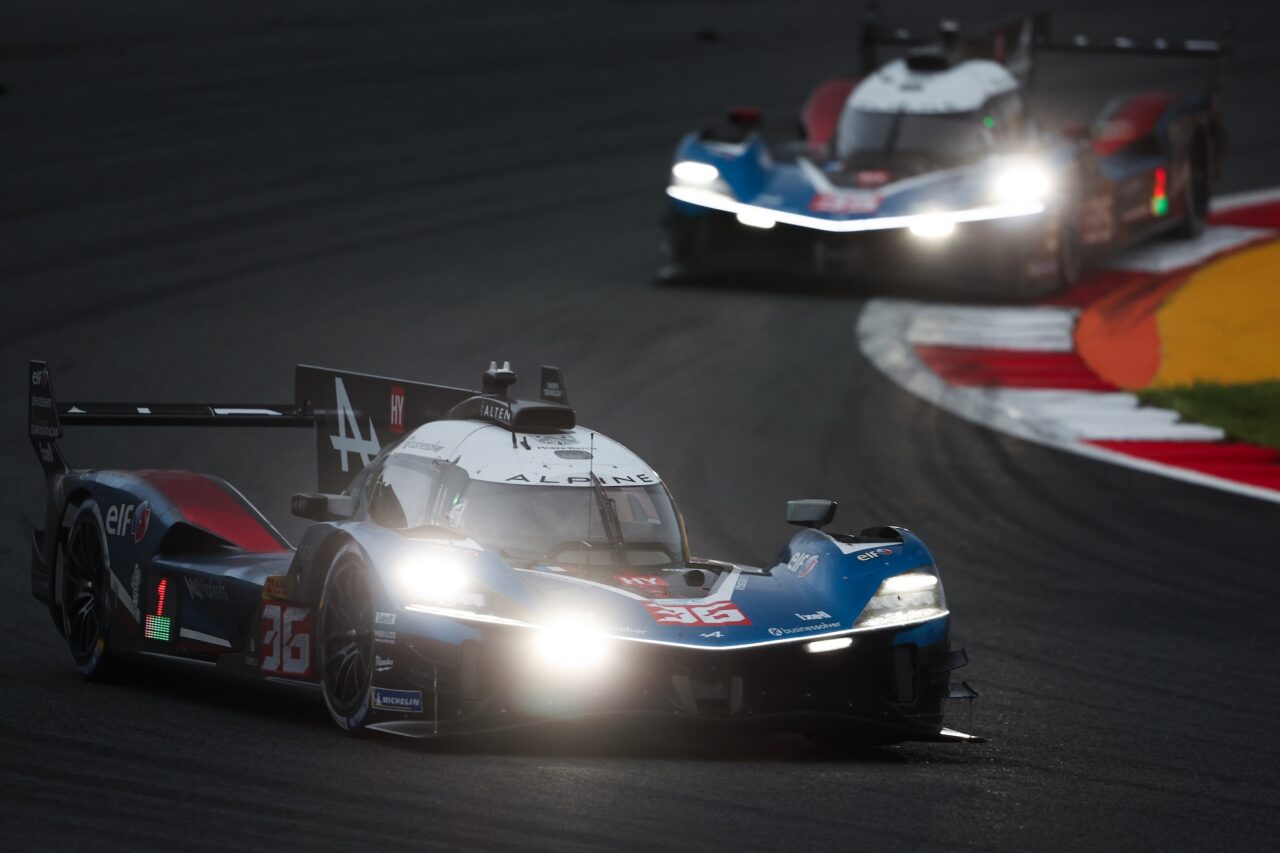
The numbers do not lie, and looking at them helps explain much of what happened in the 2026 6 Hours of Fuji. On Sunday, the faster of the two Toyotas over a single lap – the #7 – set a best time of 1m31.114s. Victor Martins, meanwhile, went down to a 1m30.486s in the #36 Alpine, a difference of 0.628s.
The picture is much the same when comparing the average of each car’s ten fastest race laps: 1m31.431s for the #8 Toyota against 1m30.945s for the #36 Alpine. By that measure, the TR010 Hybrid was also slower than the other Alpine, both Aston Martins, the #19 Genesis and the #38 Cadillac.
“We clearly didn’t have the pace,” Sébastien Buemi acknowledged after the finish. “We were only the eighth-fastest car on track.”
With less than an hour remaining, it was therefore difficult to imagine the #8 fighting for victory. The general feeling in the paddock was that, unlike its predecessors – the TS030, TS040, TS050 and GR010 – the TR010 might become the first Toyota to fail to win on home soil at its first attempt.
The #8 was only sixth at that point. Brendon Hartley had been spun around by the #007 Aston Martin and, up front, Alpine was controlling a race in which it occupied the top two positions. Yet 20 minutes after the final restart, Ryō Hirakawa crossed the line 0.591s ahead of Victor Martins.
What did Toyota see that the others didn’t?
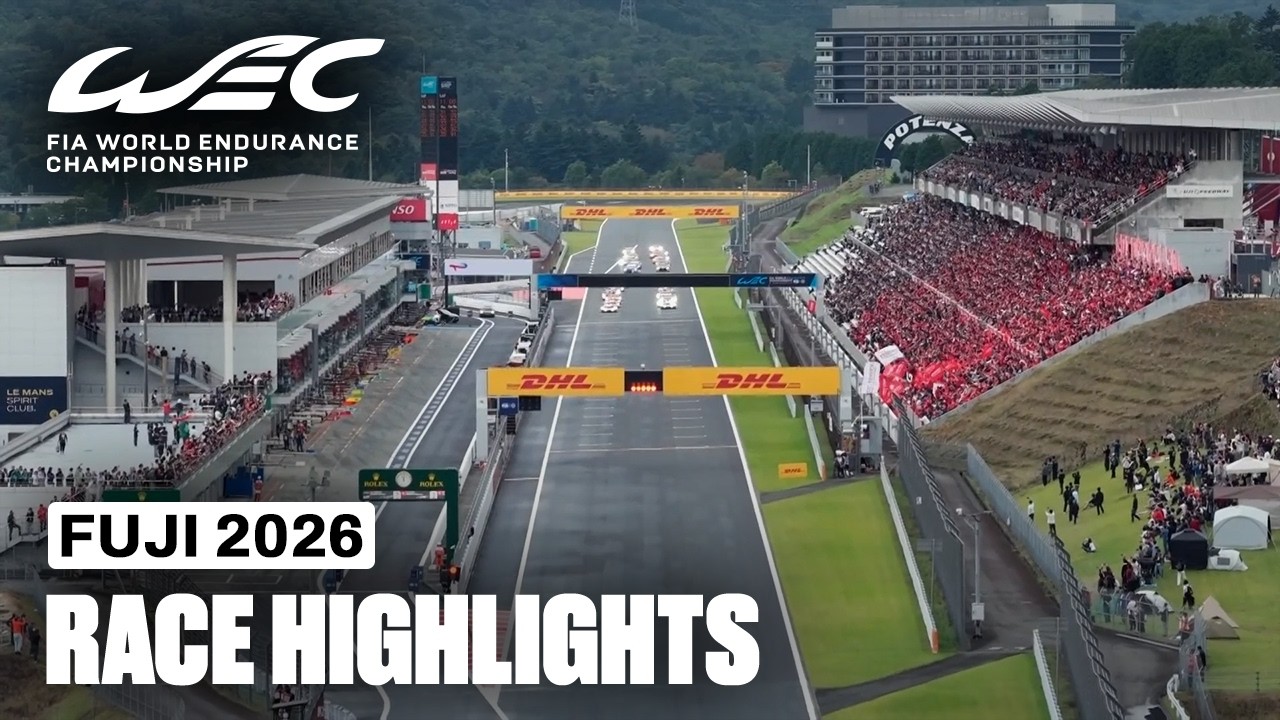
When Race Control deployed the Safety Car following the heavy accident involving the #58 McLaren, 55 minutes remained. The barrier needed repairing, and the crucial question became how long the neutralisation would last. The longer the repairs took, the fewer green-flag laps would remain, with an obvious impact on the amount of energy required to reach the finish.
“It’s a bit of guesswork,” explains Toyota Racing technical director David Floury. “You look at the pictures on TV and try to estimate how much shorter the race is going to be and how much energy you can save at the end.”
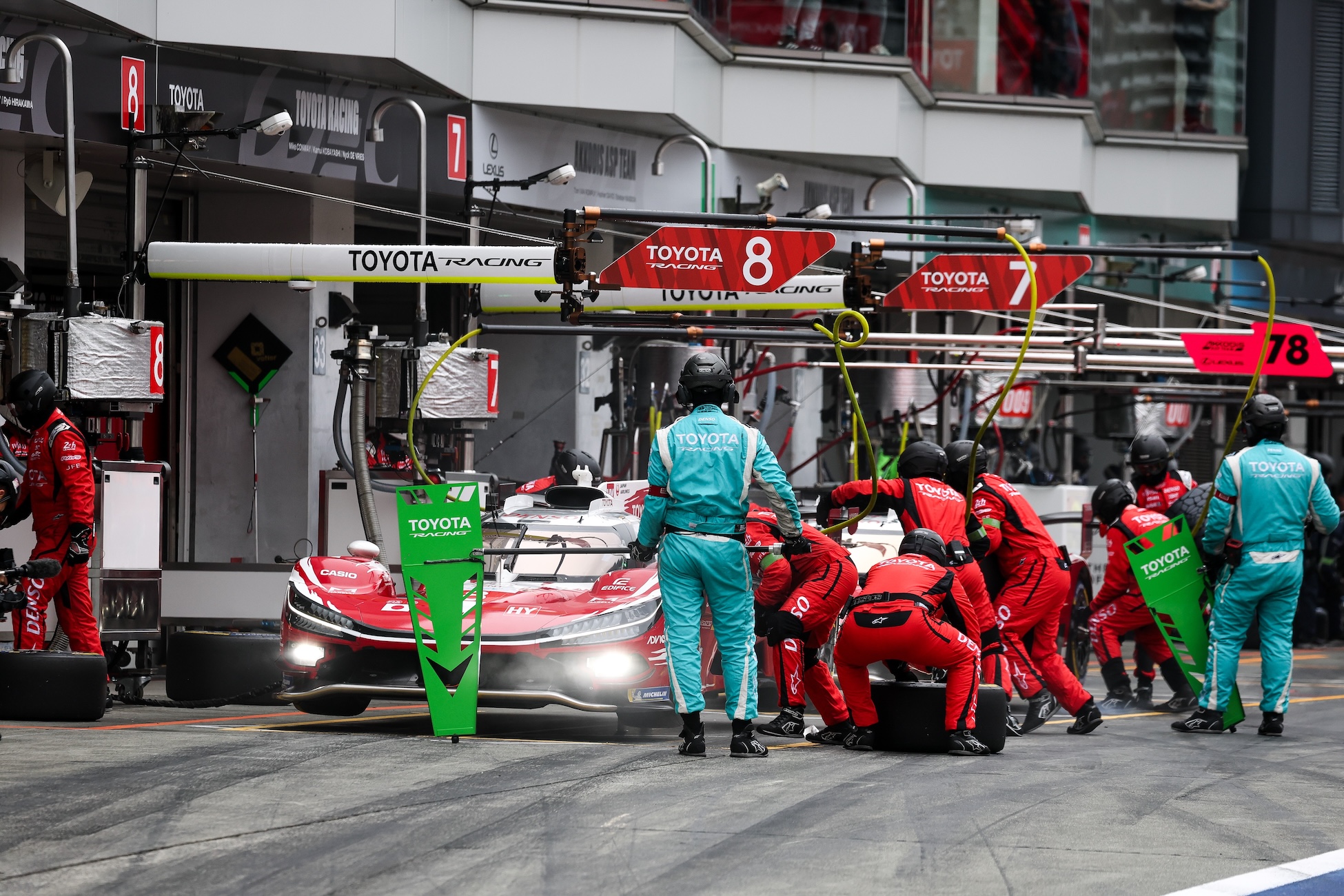
Toyota then made two decisions: not to change tyres and to minimise the amount of energy added during the stop. On the latter point, the difference was significant.
“I think we were at just over 72% in terms of energy when the car left the pits,” continues the French engineer. “The others were above 80%. That’s what made the difference between sixth and first.”
Everything, however, depended on the length of the neutralisation. Had the race resumed quickly, the Toyota would not have had enough energy to make the finish without stopping again. But Floury’s calculation proved correct: when the field was finally released, around 20 minutes remained and Ryō Hirakawa was leading.
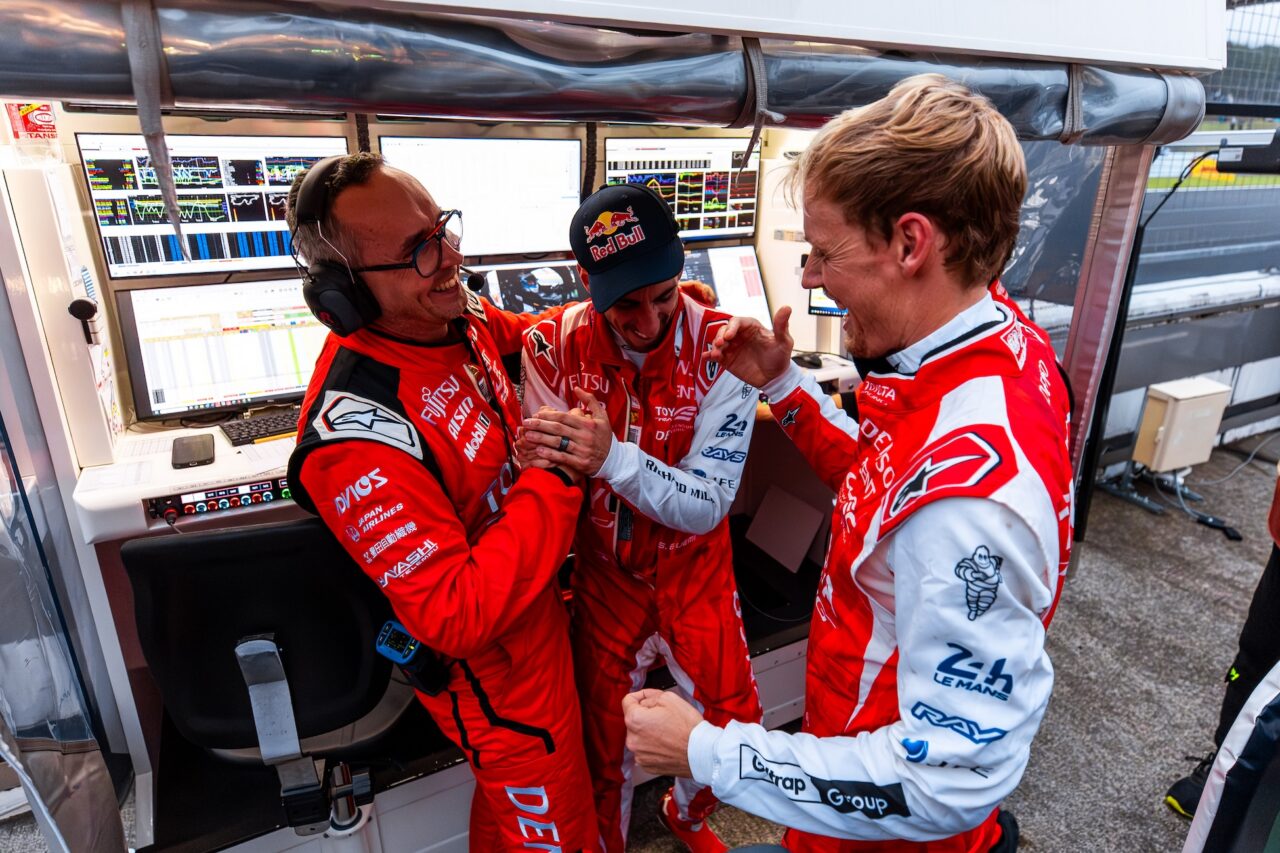
“I wouldn’t have bet on this one,” Floury admits when asked whether he had expected to win just a few dozen minutes earlier. “When an opportunity comes, you have to be sharp and take it.”
Some suggested Toyota’s position in the pit lane had helped, allowing the team to disconnect the refuelling hose as its rivals left the working lane. Floury rejects that interpretation.
“No, we can’t play that game. You run the risk of not putting enough energy into the car. I set the amount of fuel we needed to put into the car and we stuck to it, regardless of what our rivals were doing.”
After the disappointment of Austin, where the #7 TR010 looked set for victory with around ten minutes remaining before a mechanical problem intervened, Toyota used its racecraft to get the better of its rivals.
Could Alpine have won?
How did Alpine lose a race it had controlled? We put the question to the French manufacturer’s sporting director, Nicolas Lapierre.
“When the Safety Car came out, the #36 was ahead of the #35 on track, but the two cars are positioned in the opposite order in the pit lane,” he explained. That was going to make the stop considerably more complicated. Since what happened with Ferrari at the 6 Hours of Spa in 2024, cars are no longer allowed to overtake in the pit lane.
“We had two choices. Either we brought both cars in and accepted losing time during the manoeuvre, or we sacrificed one to maximise the other car’s chances of winning. We would have won the race, almost certainly, but the other car would have finished outside the points.”
“We thought about it for quite a long time. In the end, I decided not to sacrifice either car because we were running first and second and it was too difficult for me to take one of them out of the race.”
Alpine therefore brought both A424s into the pits. The manoeuvre cost time. The #35 had to do a nose-in stop, while the #36 found itself blocked behind its sister car when it was ready to leave. Alpine used that delay to fit four fresh Michelins to the #36, while the #35 received two new left-side tyres.
The #35 and #36 spent 1m03s and 1m07s respectively in the pit lane, compared with 50.7s for the #8 Toyota and 51.0s for the #15 BMW. Ryō Hirakawa emerged in the lead ahead of Dries Vanthoor, Charles Milesi and Victor Martins.
“Toyota and BMW were much more aggressive in terms of energy,” Lapierre acknowledges. “They anticipated that the Safety Car would last longer.”
The #36 finished second and the #35 fourth. Thirty points represented Alpine’s biggest haul since the start of the A424 programme.
“It’s difficult to see the disappointment on the guys’ faces,” Lapierre admits. “There is disappointment because we didn’t win. That’s how it is. We have to accept it.”
With two races remaining, Alpine drew level with Cadillac for fourth in the Manufacturers’ Championship. A meagre consolation.
And what about Hirakawa?
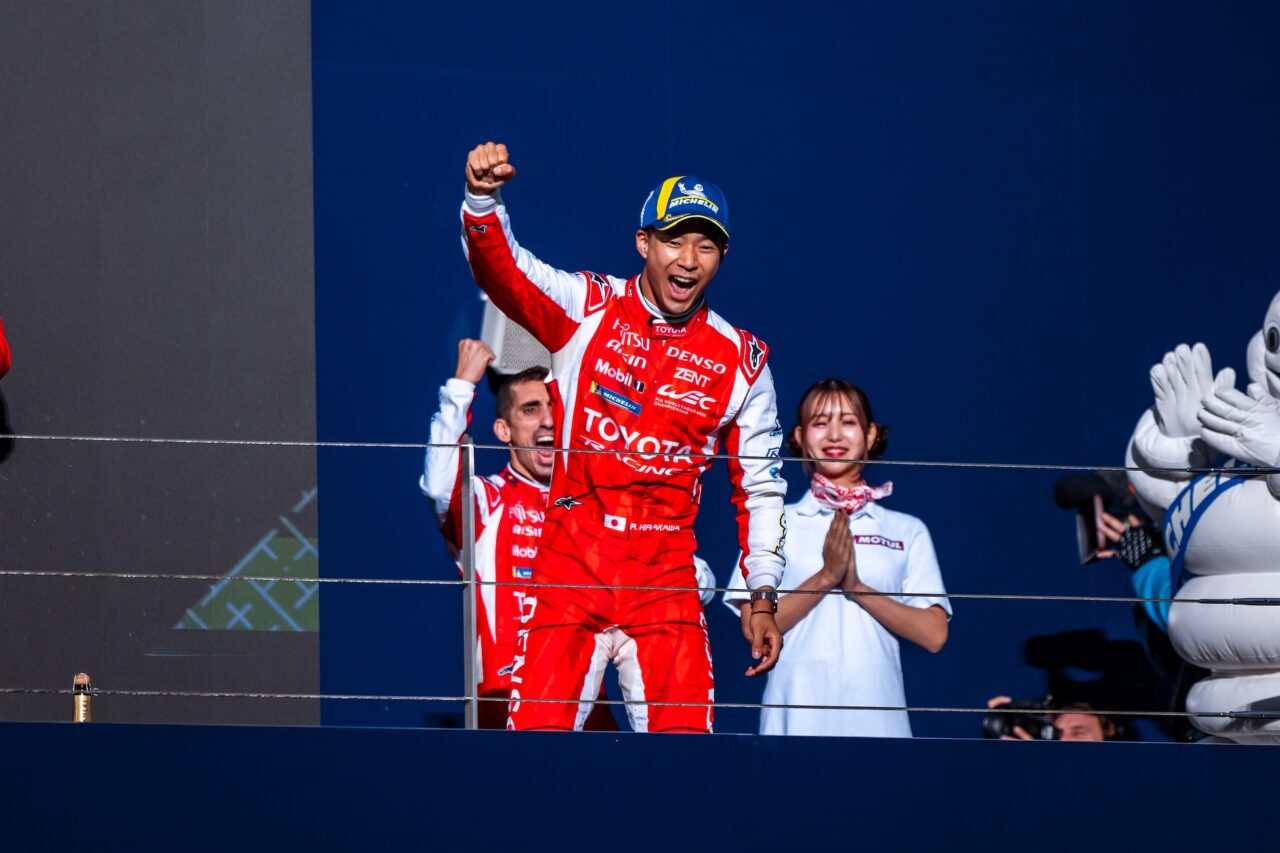
Toyota’s strategy put Ryō Hirakawa into the lead, but he still had to keep the faster Alpines behind him. As mentioned earlier, the Japanese driver restarted on four used tyres, while Victor Martins had four fresh Michelins. After Charles Milesi understandably let him through, Martins dispatched Dries Vanthoor with ten minutes remaining.
“No, we weren’t confident,” Floury replies when asked whether he thought Hirakawa could hold on. “It’s our home race and we want to win it, but we also have to look at the bigger picture in the championship. It’s about risk management.”
Martins quickly tucked himself underneath the rear wing of the #8 Toyota, but never found a way through, with Hirakawa making full use of his knowledge of the circuit to fend off the Frenchman’s attacks.
At the line, just 0.591s separated the two cars. And Floury readily concedes: “Ryō did a fantastic job. With a few more laps, it would probably have become very difficult.”
Why does this victory say so much about Toyota?
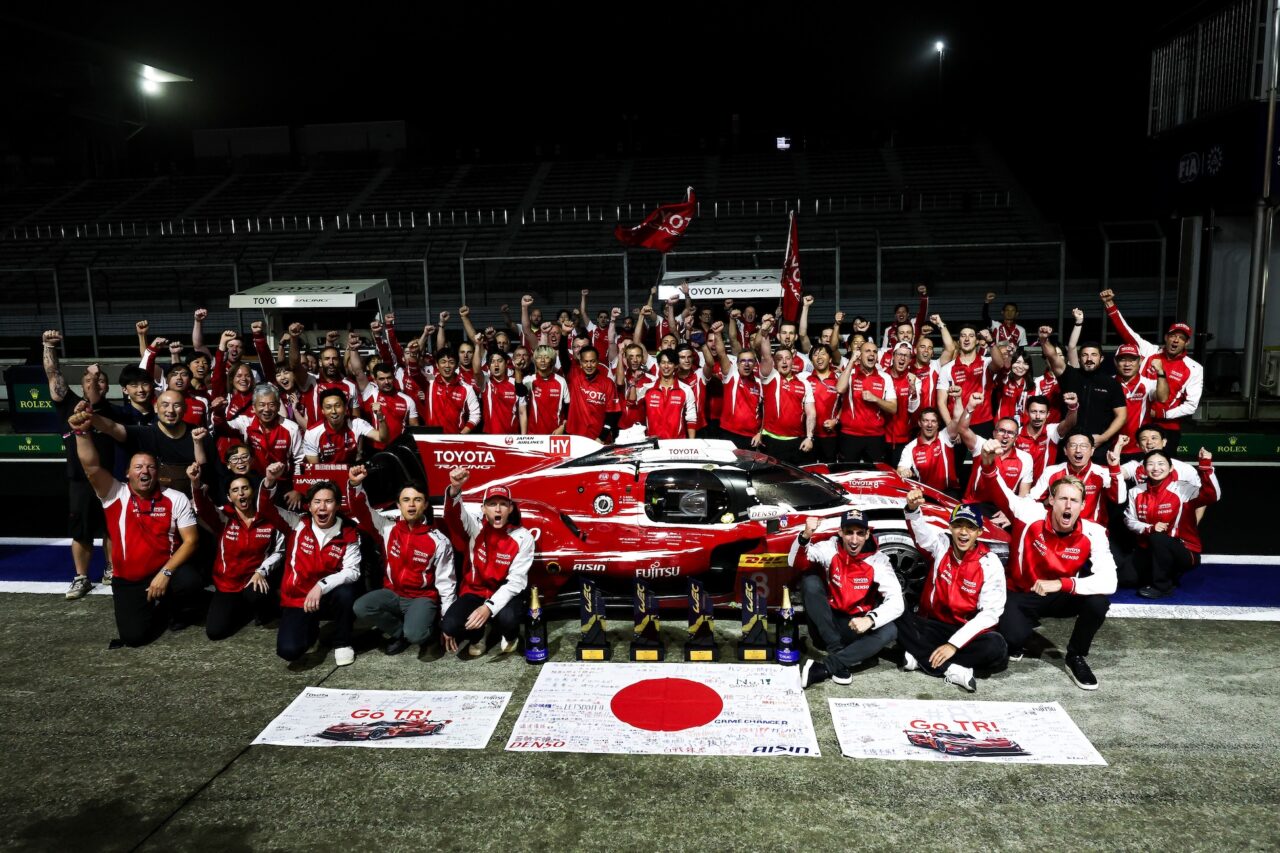
Because it owed almost nothing to outright performance. At Monza and then Le Mans, Toyota had already demonstrated its ability to make strategy and execution decisive factors in its victories. Fuji is perhaps an even more telling example, given how little the TR010 Hybrid’s pace suggested it could fight at the front.
Toyota needed a Safety Car to get back into contention. But it also needed its formidable racecraft and a Hirakawa at the very top of his game. Circumstances undoubtedly played their part – and Toyota makes no attempt to deny that – but those circumstances still had to be exploited.
“This is one of our best wins in a long time,” Buemi said at the finish. “I’m really proud of this one, especially because it was completely unexpected going into the last part of the race. The team made a great call on the last pit stop and it was enough to jump ahead of everyone. And then of course, Ryō kept everyone behind and didn’t make any mistakes in difficult conditions. All in all, it was an amazing win.”
Toyota claimed its tenth victory at Fuji, while the TR010 matched every one of its WEC predecessors by putting its name on the 6 Hours of Fuji roll of honour at the first attempt. More importantly, Toyota strengthened its lead in the Manufacturers’ Championship, while its two crews moved to the top of the Drivers’ standings.