What Has Stellantis Announced?
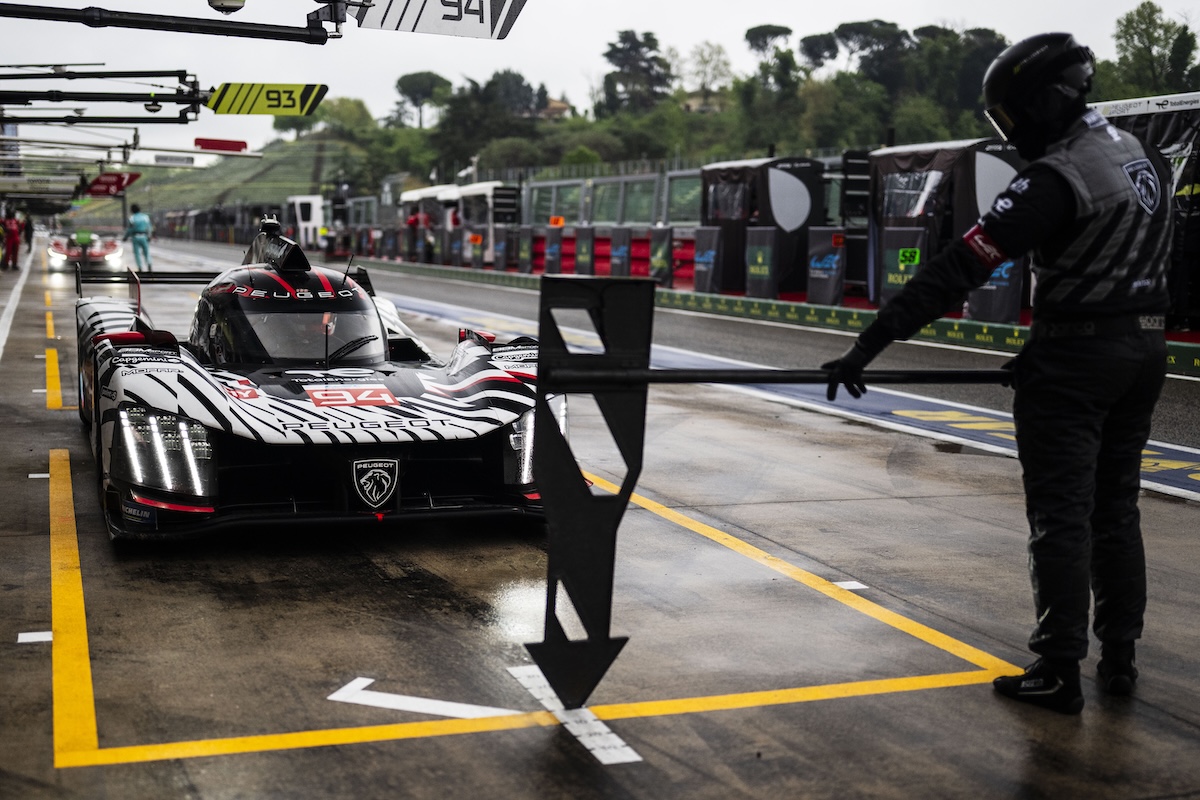
It is now official: as revealed by The Stint, Peugeot’s involvement in the FIA World Endurance Championship will end with the 2026 season, while Stellantis will continue its Formula E activities until the conclusion of Season 13 in the summer of 2027. Two withdrawals that mark the end of an era for the organisation based in Versailles-Satory.
According to the official statement, the decision is part of FaSTLAne 2030, Stellantis’ strategic plan aimed at restoring profitability by focusing resources on priority activities and investments offering the strongest potential returns. It is a rationalisation strategy in which factory programmes competing at the highest level of motorsport evidently no longer have a place.
Stellantis Motorsport will now refocus its activities on customer racing and high-performance vehicle development. The organisation will also continue to contribute directly to the development of exclusive high-performance models for Alfa Romeo and Maserati.
The contrast with the ambitions displayed in recent years is striking. Peugeot had been preparing a major new evolution of its 9X8 for 2027, following four and a half seasons spent trying to return to the front of the WEC field. A considerable development effort that will ultimately never translate into a race programme.
Following Renault’s sale of its Viry-Châtillon facility to Belgian group Dumarey, this represents another major blow to French motorsport.
What does the future hold for the workforce?
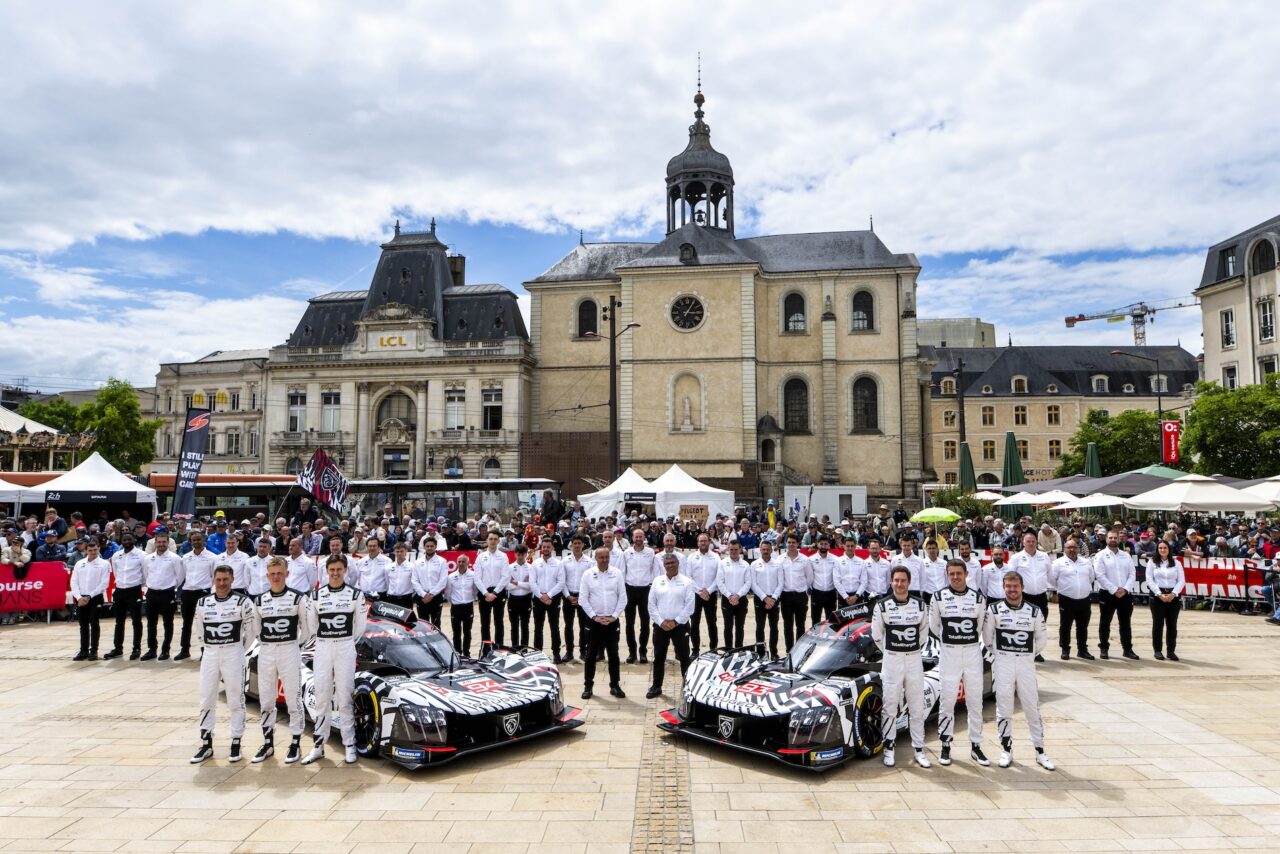
Stellantis Motorsport is understood to currently employ around 185 permanent staff at Versailles-Satory. Depending on the period and the projects underway, that figure can rise to between 200 and 300 people when external contractors are included.
Management intends to redeploy as many employees as possible to customer racing and high-performance vehicle development activities. The question is how many of those previously involved in the WEC and Formula E programmes can be accommodated within these operations. For a significant number of them, the prospect of having to continue their careers elsewhere cannot be ruled out.
As for the drivers, Jean-Éric Vergne, Nick Cassidy and Robert Shwartzman still have opportunities in Formula E, at least in the short term. However, the disappearance of the Hypercar programme leaves several of their colleagues in a far more uncomfortable position.
Loïc Duval is among those whose future in endurance racing remains uncertain. Paul di Resta and Alex Quinn, meanwhile, already have LMP2 programmes in IMSA: the former with United Autosports and the latter with CrowdStrike Racing by APR. Those commitments ensure they will remain active in competition, but they do not compensate for the loss of a Hypercar seat.
Timing is hardly on anyone’s side. At this stage of the year, most manufacturers and teams are already well advanced in finalising their driver line-ups for 2027. Available seats are scarce, particularly at the highest level.
2012–2026: History repeating itself?
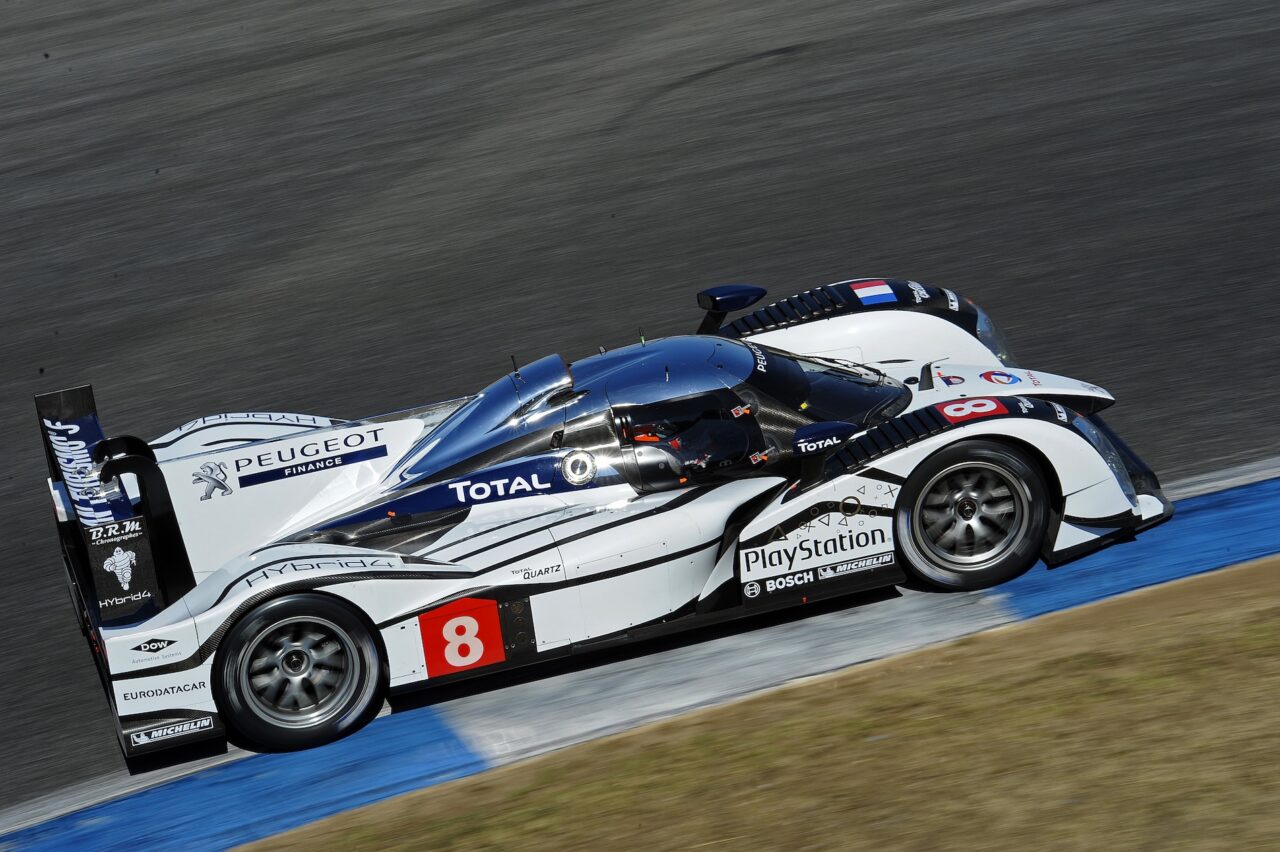
Under these circumstances, it is difficult not to think back to 18 January 2012. That day, Peugeot abruptly announced the termination of its endurance racing programme, despite having dominated the previous two editions of the Intercontinental Le Mans Cup and actively preparing for the inaugural season of a World Endurance Championship whose revival it had championed.
The 908 Hybrid4 had been developed, part of the budget had already been spent, so why pull the plug? The decision could partly be explained by the difficulty of justifying the expenditure associated with such an ambitious motorsport programme amid an increasingly tense social climate. A few months later, the group announced the closure of its Aulnay-sous-Bois factory and a sweeping programme of job cuts. The parallels with 2026 are hard to ignore.
Although Stellantis has begun to recover in 2026, its financial performance remains under pressure. In the third quarter, the group recorded a net loss of €453 million, despite revenue edging up to €37.6 billion. Its adjusted operating margin remained particularly weak at 0.7%, while its industrial operations continued to consume substantial amounts of cash.
The stock market has delivered an equally harsh verdict. As of 20 November 2026, Stellantis shares had lost nearly 67% of their value since the beginning of the year, reflecting investors’ lack of confidence in the automotive group. Stellantis is now targeting a return to positive industrial free cash flow in 2027 and aims to achieve €6 billion in annual cost savings by 2028.
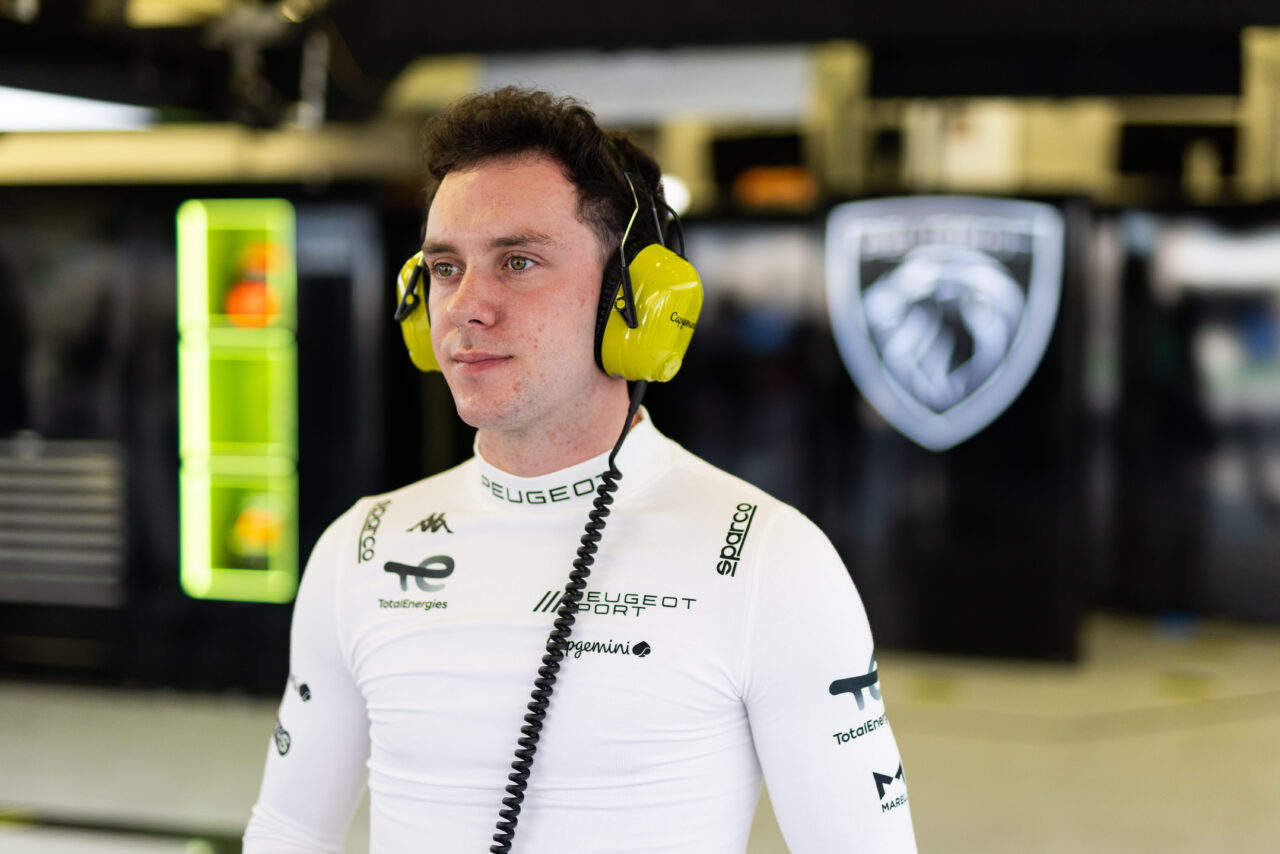
Alex Quinn’s situation illustrates just how abrupt the decision has been. According to information obtained by The Stint, the British driver travelled to Paris on Monday to carry out a shakedown at the nearby airfield, having not been informed that the programme was being terminated.
Back in 2012, some team members and drivers were testing at Sebring when the decision was made public. Others had even boarded flights to Florida on the very day of the announcement, despite the decision to withdraw having already been taken. Their superiors, however, had been instructed to say nothing.
Same facility, same manufacturer, same abrupt decision bringing months of preparation to an end. And once again, a developed race car that will never experience the rigours of competition. Fourteen years later, history appears to be repeating itself.
There is, however, one significant difference: the results. In 2012, Peugeot withdrew from endurance racing having won the 2009 24 Hours of Le Mans and enjoyed considerable success against Audi in the ILMC. This time, the 9X8 bows out without a single victory since its debut in July 2022. A sporting record that stands in stark contrast to the resources invested and the original ambitions.
What are the consequences for the WEC?
With Alpine and Peugeot both departing, the WEC is losing its two French manufacturers simultaneously. A difficult situation to accept for a championship built around the 24 Hours of Le Mans. Nevertheless, the Hypercar field will still feature eight manufacturers in 2027, just as it did in 2026, thanks to the highly anticipated arrivals of Ford and McLaren.
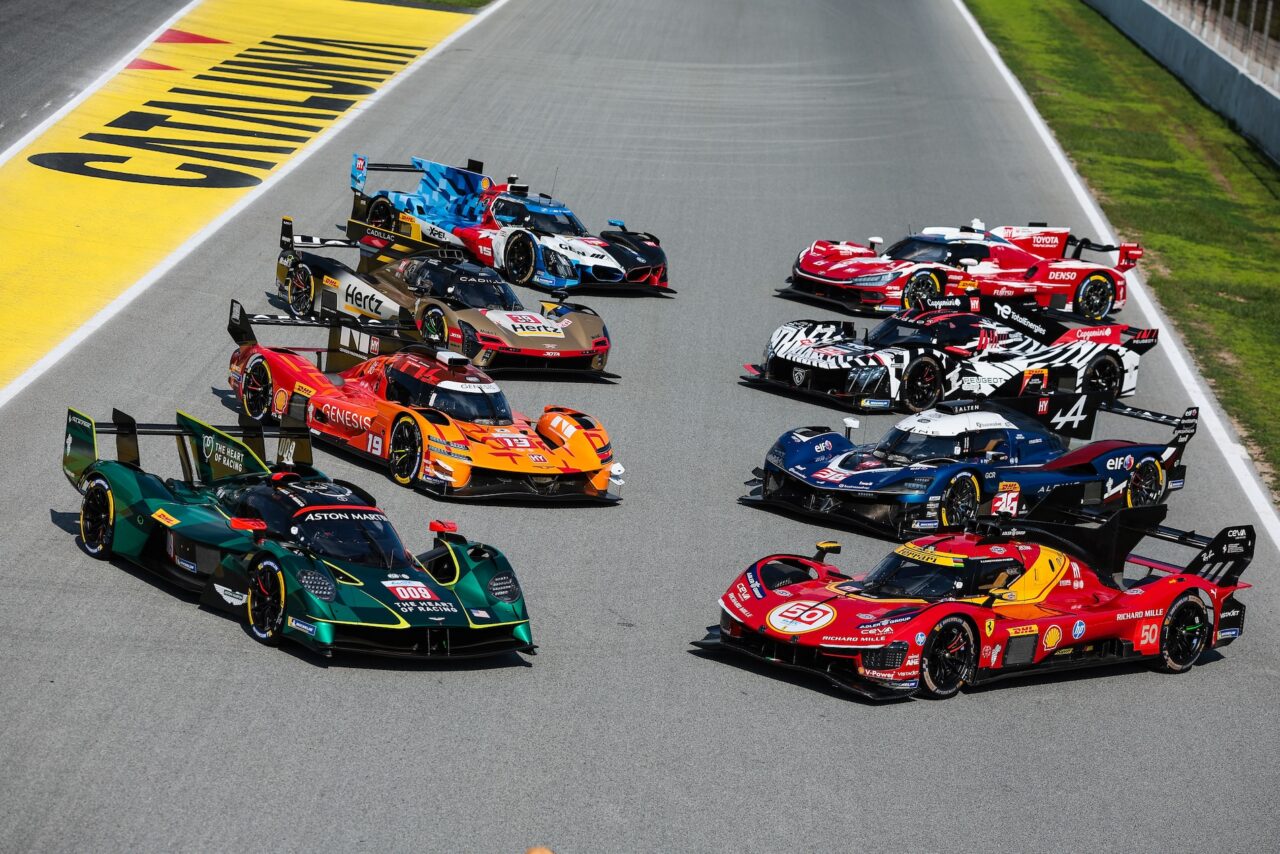
The contrast with January 2012 is particularly revealing. At the time, Peugeot’s withdrawal left Audi as the only manufacturer committed to a full season in the top class. That situation was incompatible with the requirements for FIA World Championship status, which stipulated the participation of at least two manufacturers. Toyota, whose arrival had initially been planned around a partial programme, subsequently made considerable efforts to contest almost the entire season.
Today, the WEC no longer depends on the willingness or financial health of two manufacturers to ensure its survival. It boasts a sufficiently strong field to absorb several departures, including those of historic names.
Perhaps that is the real lesson to be drawn from this announcement. Two manufacturers leaving a championship at the end of a season is hardly unprecedented. What is far more remarkable is that the WEC has managed to attract so many to the same grid in the first place.
Where Peugeot’s withdrawal in 2012 had threatened the very birth of the championship, its departure in 2026 does nothing to jeopardise its future. Especially as Peugeot was far from being a frontrunner.