Porsche could return to endurance racing’s top class sooner than expected. According to Auto Motor und Sport, several sources within the company and among its suppliers have indicated that a long-term plan is being developed, with the support of Porsche’s executive board, for a possible return in 2030, the year currently earmarked for the introduction of the new technical regulations.
With the German automotive industry facing economic difficulties and a new prototype requiring substantial investment, the project remains subject to considerable uncertainty. However, the regulatory timetable is already forcing interested manufacturers to prepare their decisions.
What does Porsche’s Endurance programme look like in 2027?
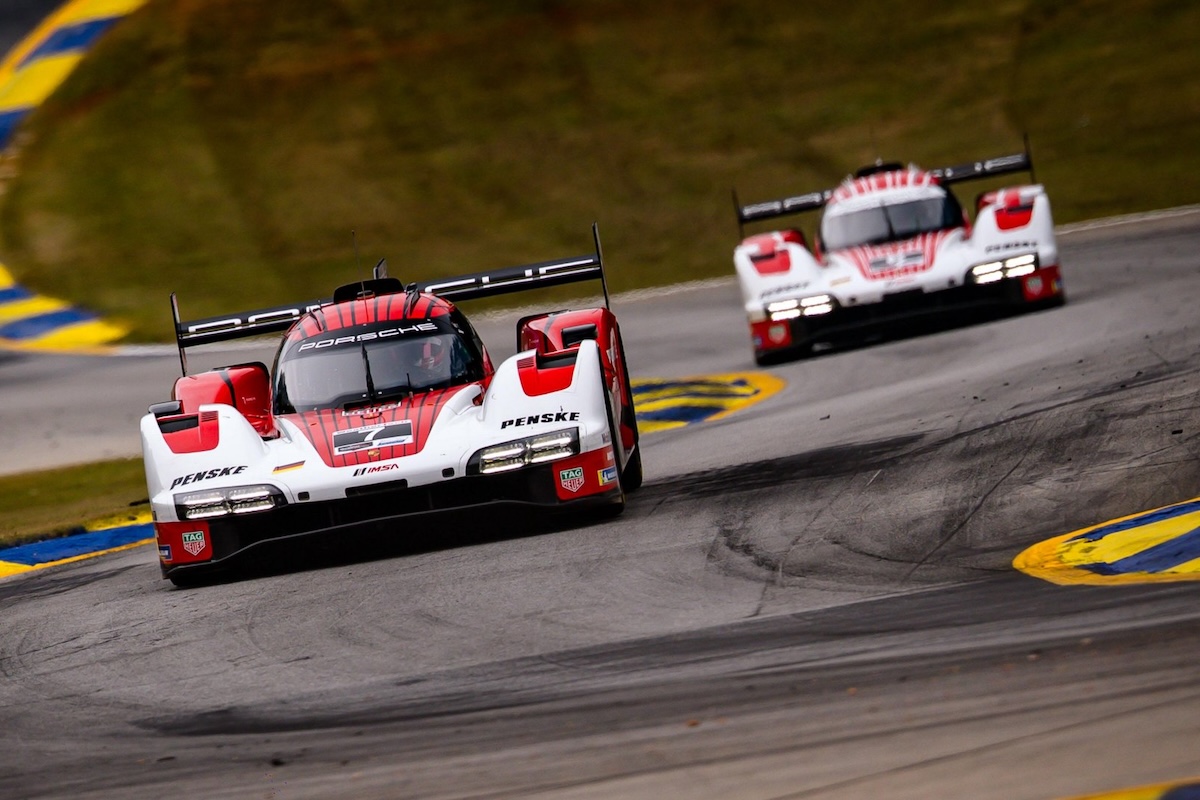
Porsche will contest the 2027 IMSA SportsCar Championship season with the 963 before bringing its factory GTP programme to an end. A continuation through privateer teams remains possible, particularly with JDC-Miller MotorSports, which could seek to maximise its investment in the 963s by continuing beyond next season.
Before closing this chapter, Porsche and Penske are determined to add to the 963’s already impressive IMSA record: two championship titles, three victories at the 24 Hours of Daytona, two wins at the 12 Hours of Sebring and one at Petit Le Mans.
They will rely on the driver pairings of Kévin Estre and Laurin Heinrich, and Julien Andlauer and Felipe Nasr. Laurens Vanthoor will join the former for the longer races, while Nico Müller is expected to support the latter.
From 2028, Porsche would therefore be without a factory programme in endurance racing’s top class, at least until the new regulations come into force. Its partner Penske Motorsport is reportedly already preparing for life after the 963. Porsche appears to be doing the same.
The 2030 regulations: an opportunity for a fresh start?
The strongest argument in favour of a return is the forthcoming overhaul of the Hypercar regulations. On 12 June 2026, the FIA, ACO and IMSA outlined the main principles of a common technical platform for 2030. The aim is to bring together the two existing top-class architectures, LMH and LMDh, by eliminating their principal technical differences.
The future regulations envisage rear-wheel drive only, with an internal combustion engine combined with a hybrid system. Manufacturers should be able to choose between developing their own chassis and using one supplied by an approved constructor, while retaining a degree of freedom in the design of their hybrid systems within common technical specifications.
These principles have yet to be incorporated into a definitive set of technical regulations, which the various working groups are currently developing.
For Porsche, this overhaul could provide an opportunity to return on a common technical footing with its rivals. It would, however, require the development of an entirely new prototype.
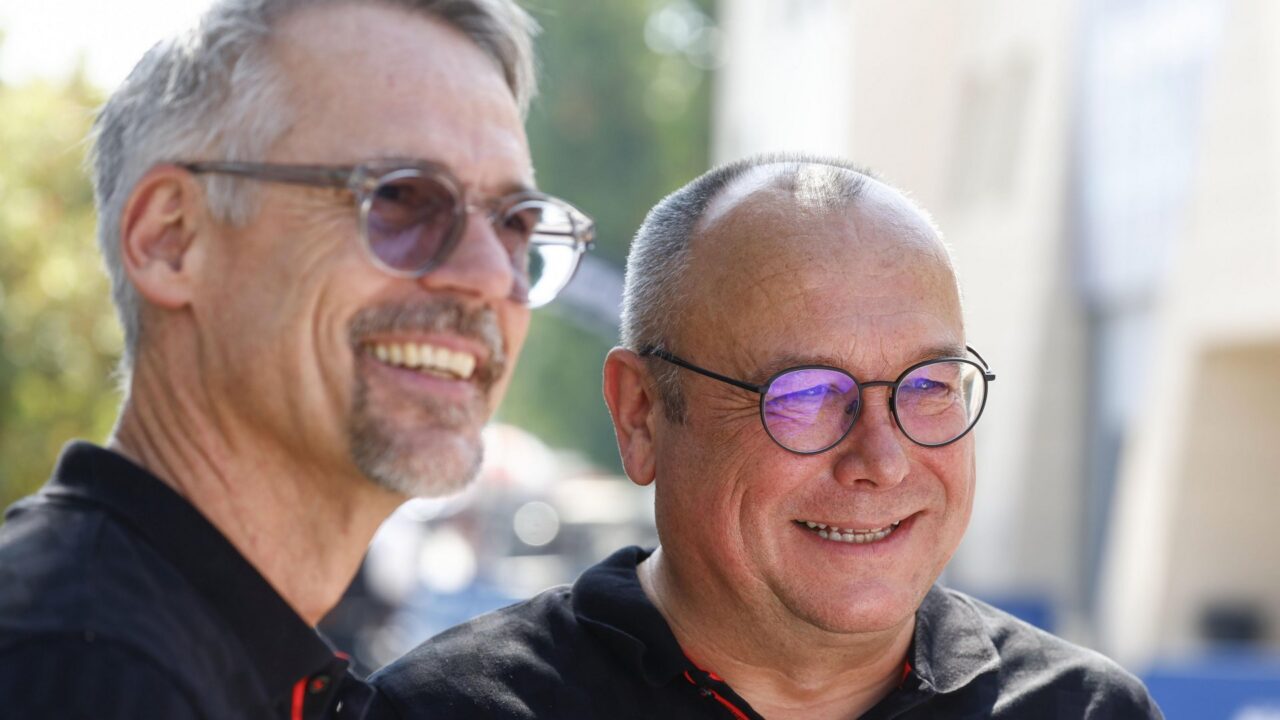
At the IMSA season finale at Road Atlanta in early October, Urs Kuratle and Porsche Motorsport boss Thomas Laudenbach reiterated the manufacturer’s active involvement in the regulatory discussions. Kuratle was also present at Monza for the 2026 WEC season finale, alongside his technical director Stefan Moser.
Not to mention that Michael Leiters, who took over as CEO of Porsche AG on 1 January, just weeks after the announcement of the manufacturer’s withdrawal from the WEC, is reportedly a staunch advocate of an endurance racing programme.
According to Auto Motor und Sport, discussions within Porsche are already at an advanced stage, although a return is far from certain. Between regulatory uncertainties, financial constraints and the choice of a future team structure, several hurdles remain before the manufacturer can commit to returning to the highest level of endurance racing.
Where does Porsche stand financially?
Porsche is undergoing a period of restructuring amid declining sales. Over the first nine months of 2026, the manufacturer delivered 178,532 vehicles worldwide, down 16% year-on-year. Deliveries in China fell by 33%, while revenue declined by 5.9% to €25.28 billion.
Profitability has nevertheless recovered. Porsche recorded an operating profit of €1.74 billion, representing an operating margin of 6.9%, compared with just 0.2% over the same period in 2025. This improvement was partly driven by a reduction in costs associated with its strategic realignment, which fell from €2.7 billion to approximately €500 million.
Against this backdrop, financing a new Hypercar prototype would require difficult budgetary decisions. Options reportedly under consideration include reallocating funding from other motorsport programmes, such as Formula E, or involving external partners and customer teams. For now, these remain hypothetical.
If Porsche intends to compete with the next generation of Hypercars in 2030, those decisions will need to be made well in advance. The key financial and organisational decisions should come as early as mid-2027.